







The Strategic Intersection of Premium Pricing and Secondary Markets
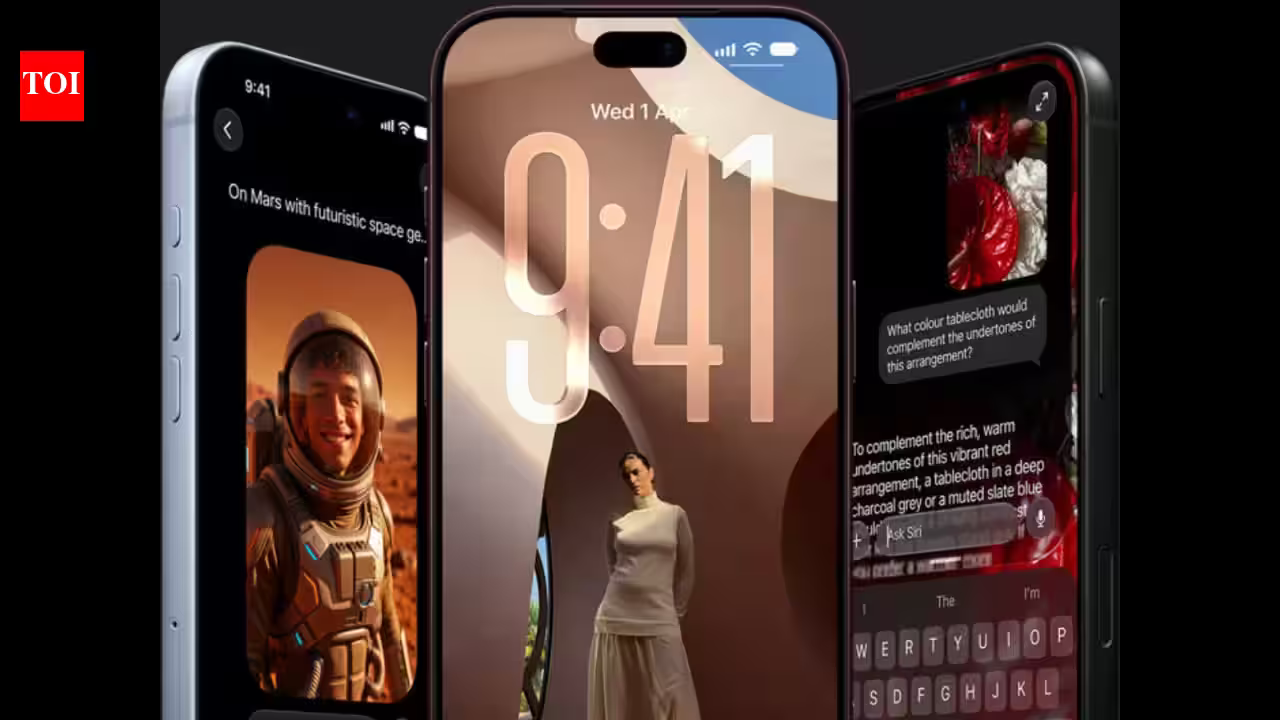
The introduction of new, high-end smartphone flagships has historically served as a catalyst for two simultaneous trends in the consumer electronics sector: the acceleration of trade-in activities by existing users and a surge in demand for older, more accessible models. In the Indian market, where price sensitivity remains a critical factor even among aspirational consumers, the launch of the latest Apple iPhone series functions as a major market pulse. As the price floor for new flagship devices climbs, a significant segment of the population that seeks to enter or remain within the Apple ecosystem is increasingly turning to the refurbished market.
This phenomenon is not merely a consequence of cost-cutting; it represents a sophisticated shift in consumer behavior. For many, the value proposition of a certified, refurbished model—often backed by warranties and quality assurances—far outweighs the perceived benefits of the latest technological iteration. Consequently, the secondary market has evolved from a niche category of bargain-hunting into a mainstream retail channel that mirrors the dynamics of the primary market. Market analysts observe that the period immediately following a new product launch creates a liquidity cycle, where the influx of trade-ins directly feeds the demand for previous-generation devices, thereby sustaining a circular economy within the tech space.
Analyzing the Mechanics of the Refurbished Ecosystem
The refurbished smartphone industry relies heavily on a consistent supply chain of trade-ins to meet consumer demand. When a new flagship is released, early adopters often trade in their existing devices to offset the acquisition cost of the latest hardware. This supply typically peaks within 60 to 90 days post-launch, as festive sales and expanded promotional offers further incentivize upgrades. In India, this cycle is bolstered by platforms that provide professional grading, device certification, and extended warranties, effectively de-risking the secondary market purchase for consumers who might otherwise be wary of unverified hardware.
Data suggests that Apple occupies a dominant position in the refurbished landscape. A significant majority of secondary sales for the brand are driven by consumers who prioritize brand equity and reliable performance at a fraction of the cost. The iPhone 13, for instance, has emerged as a bellwether for this segment, acting as both a frequently traded-in model and a highly sought-after purchase. The disparity between the volume of incoming trade-ins and the consistent, high demand for these specific models demonstrates a supply-demand imbalance that keeps refurbished prices stable, even as the devices age.
Impact of Premium Positioning on Market Dynamics
The strategic decision to position new iPhones at higher price points has a secondary effect on the used-device market: it effectively supports the residual value of older models. Under normal market conditions, an influx of supply would typically trigger a sharp correction in the pricing of outgoing models. However, in the current economic climate, the high barrier to entry for the newest flagships pushes potential buyers toward previous generations. This sustained demand prevents the value of older, yet still highly capable, iPhones from plummeting.
For retailers operating in the secondary market, this creates a resilient pricing environment. Instead of the rapid, steep decline in value typically seen in the mid-range smartphone segment, refurbished premium iPhones exhibit a more gradual softening of price. This trend is advantageous for both the retailers, who can maintain healthier margins, and the consumers, who benefit from a higher resale value when they eventually decide to upgrade their own devices. The price floor for the Apple ecosystem, therefore, remains elevated across both primary and secondary channels.
Trust, Certification, and the First-Time Buyer
As the refurbished market scales in India, the profile of the average buyer is shifting. Increasingly, first-time users—many of whom are transitioning from budget-friendly Android handsets—are entering the secondary Apple market. These consumers are inherently more cautious, placing a premium on transparency and reliability. Factors such as battery health, physical condition, and comprehensive warranty coverage have become non-negotiable prerequisites for these transactions.
Retailers are responding to this shift by professionalizing their operations. The emphasis is moving away from the unorganized, localized trade toward a certified retail experience. Certification programs that audit device integrity and provide standardized performance guarantees are becoming the standard. By offering a level of customer support that rivals primary retail, these companies are effectively bridging the gap between a new purchase experience and a second-hand transaction. For the Indian buyer, this reduction in information asymmetry is the most significant driver of adoption, turning the refurbished market into a legitimate, reliable venue for high-end technology procurement.
Future Outlook and Long-Term Trends
Looking ahead, the synergy between new product launches and secondary market health is expected to intensify. As the iPhone 14 and 15 series become more prevalent in the refurbished space, the cycle of upgrades will likely accelerate, bringing a higher volume of newer, high-value devices into the ecosystem. Simultaneously, the iPhone 16 is poised to remain a premium, aspirational product in the refurbished category for the near future, maintaining a high resale value due to its technical specifications and modern feature set.
The broader implication for the Indian business landscape is the institutionalization of the secondary market. As large-scale, tech-enabled players continue to formalize this space, they are likely to attract more capital and establish deeper partnerships with original equipment manufacturers. This trend toward a more mature, circular economy is not merely a transient response to inflation; it is a structural evolution of how premium technology is consumed. By facilitating access to premium hardware, the refurbished market is ensuring that Apple’s ecosystem continues to expand its reach, even as the headline prices for new devices continue to rise. In this context, the secondary market functions as a vital pressure valve, balancing supply, demand, and economic reality within the competitive smartphone industry.
Disclaimer: This content is auto-generated for informational purposes only.
Source: Read Original News