








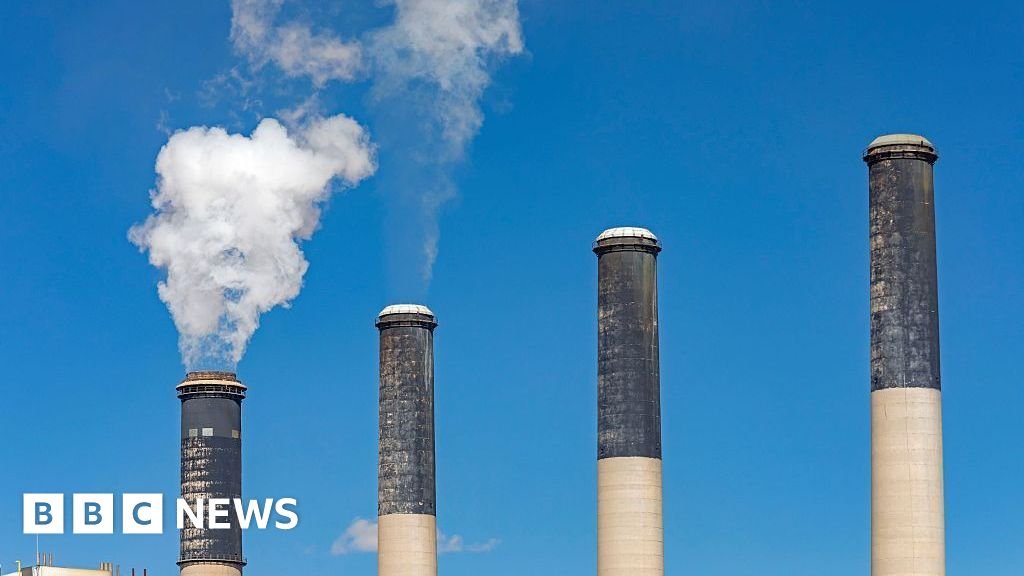
The U.S. Environmental Protection Agency (EPA) has unveiled a sweeping new initiative aimed at optimizing national energy infrastructure through the integration of advanced artificial intelligence and predictive climate modeling. The federal agency estimates that these data-driven updates will save the nation billions of dollars annually while simultaneously providing much-needed relief to consumer energy bills.
This technological pivot marks a significant evolution in how the government manages grid efficiency. By leveraging machine learning models similar to those powering the latest breakthroughs in Silicon Valley, the EPA intends to transform energy distribution from a reactive system into a proactive, high-efficiency network.
The Role of AI in Grid Modernization
At the heart of this initiative is a partnership with major tech firms and cloud infrastructure providers, including Google Cloud. The EPA is transitioning its legacy monitoring systems to high-performance AI frameworks that can simulate weather patterns, usage surges, and grid health in real-time.
Previously, grid management relied on static forecasting methods that often led to energy waste and inefficient resource allocation. By employing AI algorithms, the EPA can now anticipate peak consumption periods with unprecedented accuracy. This allows utility companies to balance loads more effectively, reducing the need for costly, carbon-heavy “peaker” power plants that are typically activated only during times of extreme demand.
“We are essentially providing the power grid with a digital nervous system,” said an agency spokesperson. By utilizing the same high-speed analytical engines that Google uses to optimize its global data center cooling and electricity consumption, the EPA hopes to replicate those efficiency gains on a national scale.
Synergy with Google’s Sustainable Tech Stack
Google has been at the forefront of using AI to slash energy consumption within its own sprawling data center operations. Their internal systems use reinforcement learning to reduce the energy required for cooling by nearly 40%. The EPA’s new roadmap draws directly from these industry-proven strategies, pushing for the implementation of “smart grid” technologies that communicate directly with home IoT devices and commercial energy management systems.
This push is expected to create a massive surge in demand for green-tech software and hardware. As tech companies integrate their platforms with the federal grid, consumers may soon see deeper functionality within products like the Google Nest thermostat. These devices could autonomously adjust home temperatures in alignment with real-time grid status reports provided by the EPA’s AI-powered feedback loop, further lowering monthly costs for the average household.
Long-term Economic and Environmental Impact
The economic implications of this transition are substantial. Beyond the immediate reduction in electricity prices, the EPA projects that optimized energy distribution will lead to lower infrastructure maintenance costs. When the grid is not strained by unnecessary volatility, the lifespan of transformers, transmission lines, and substations is significantly extended.
Critics of previous government energy projects have often pointed to the slow pace of implementation, but the EPA is confident that by using cloud-native software updates, it can bypass years of traditional construction. Instead of building new power plants, the agency is opting to “build” more efficiency through code.
As these updates roll out across the country, the intersection of tech policy and environmental science is becoming increasingly blurred. By digitizing the backbone of the American energy sector, the EPA is positioning the country to meet both its climate goals and its economic objectives simultaneously. With the tech sector providing the essential tools and the federal government setting the regulatory standards, the shift toward a “smart energy” economy appears to be gaining rapid momentum, promising a future where utility bills are lower and the carbon footprint of the nation’s energy consumption is drastically reduced.
Disclaimer: This content is auto-generated for informational purposes only.
Source: Read Original News