









Local Council Proposes New Restrictions Amid Concerns Over Wildlife Disturbance
Local authorities are moving to implement new regulations in a bid to protect the region’s natural ecosystem following reports of significant bird disturbances** in the area.
The council has announced that a new proposal is currently under consideration, aimed at curbing human activity in sensitive habitats that have seen a marked decline in avian welfare. According to officials, the decision was prompted by a growing body of evidence indicating that increased foot traffic and recreational disturbances have disrupted the nesting, feeding, and migratory patterns of local bird populations.
“Our primary responsibility is to act as stewards of our local environment,” a council spokesperson stated. “The data clearly indicates that the current level of disturbance is unsustainable for the species that rely on these coastal and woodland habitats. We are committed to finding a balance that allows the public to enjoy the outdoors while ensuring these fragile ecosystems remain protected.”
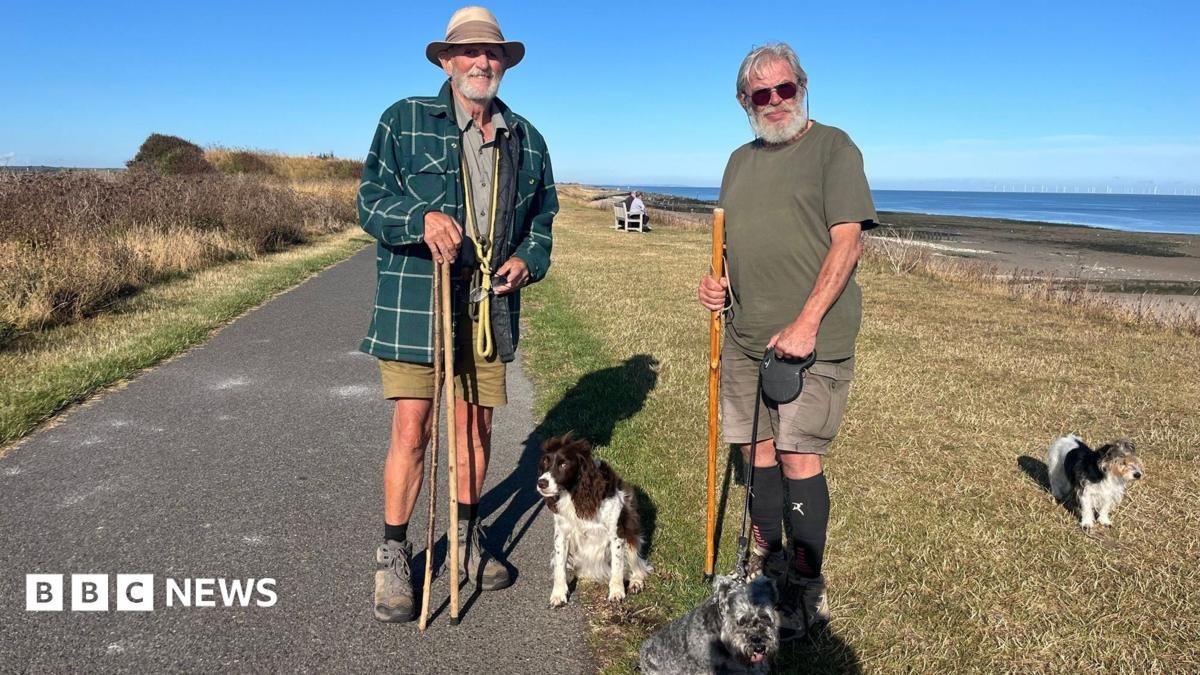
The proposed measures, which could include the introduction of seasonal exclusion zones and stricter guidelines for dog walkers, are expected to undergo a period of public consultation in the coming weeks. Environmentalists have largely welcomed the move, noting that the breeding seasons for several protected species are particularly vulnerable to human intrusion.
However, the council acknowledges that the plan may face scrutiny from local residents and tourism groups concerned about potential limits on public access. To address these concerns, officials have promised that any new restrictions will be evidence-based and localized, targeting only those areas where the impact on wildlife has been most severe.
As the council prepares to move forward with the consultation process, residents are being encouraged to review the environmental impact reports that underpin the new strategy. The outcome of this proposal is set to play a critical role in the long-term conservation efforts for the region, setting a precedent for how the community manages the intersection of human recreation and wildlife preservation.