








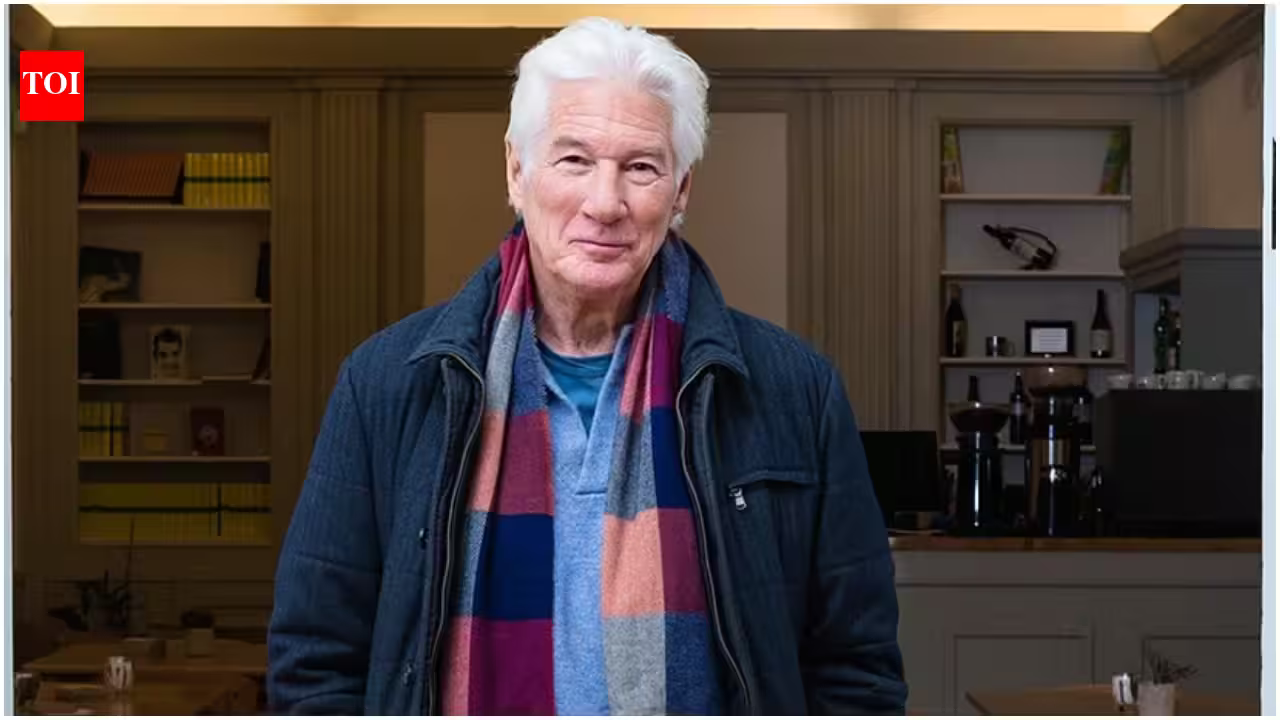
Beyond the Spotlight: Richard Gere’s Profound Wisdom on the Nature of True Happiness
In an era defined by curated feeds and the relentless pursuit of external validation, Hollywood icon Richard Gere is offering a sobering reminder about the nature of human contentment. At 77, the legendary actor—whose career has spanned from the stages of Broadway to the pinnacle of global cinema—is garnering attention not for his latest film, but for his timeless insights into the human condition.
The Illusion of “Having It All”
The core of Gere’s philosophy is captured in a poignant observation: “People don’t understand what happiness is, so they have an idea of what will make them happy, but it never does.”
This quote by Richard Gere challenges the societal blueprint that equates success, material wealth, and status with genuine fulfillment. In a wide-ranging discussion, Gere highlighted that individuals often fall into the trap of chasing external milestones, only to find that the satisfaction they expected remains elusive. According to the actor, true contentment is an “inside job”—a product of emotional maturity and self-awareness rather than a byproduct of achievement.
A Career Defined by Depth
Richard Gere’s journey toward this level of introspection began long before he became a household name. Born in Philadelphia in 1949 and raised in New York, a young Gere initially studied philosophy at the University of Massachusetts Amherst on a gymnastics scholarship. However, his artistic calling proved stronger, leading him to abandon academia to pursue acting.
After cutting his teeth in theatre, Gere exploded onto the scene in the mid-1970s. His meteoric rise was marked by iconic performances in films like Days of Heaven, American Gigolo, and the definitive romantic classic Pretty Woman. Over the decades, he has cemented his legacy with a Golden Globe-winning turn in Chicago and a diverse filmography that continues to grow with projects like Longing and Oh, Canada.
Why Gere’s Wisdom Resonates Today
Despite the changing landscape of celebrity culture, Gere’s words remain startlingly relevant. In a modern context where “appearing” happy has often overtaken “feeling” happy, the actor’s warning acts as a mirror for society. We are constantly conditioned to believe that the next promotion, purchase, or social accolade will be the key to our joy. Gere invites us to stop, pause, and critically review the foundations of our desires.
Beyond his cinematic contributions, Gere has balanced his professional life with a decades-long commitment to humanitarian efforts, most notably as a staunch advocate for human rights and his work as chairman of the International Campaign for Tibet. This dual focus on craft and conscience has allowed him to speak on the topic of fulfillment from a place of lived experience.
Ultimately, Richard Gere’s message is a call to authenticity. It suggests that while our “ideas” of happiness may be informed by external pressures, true peace lies in the difficult, necessary work of looking inward—finding that fulfillment is not something to be pursued and captured, but something to be cultivated within ourselves.