






From Olympic Meme to Cultural Lightning Rod: Rachael Gunn Breaks Her Silence in New Documentary
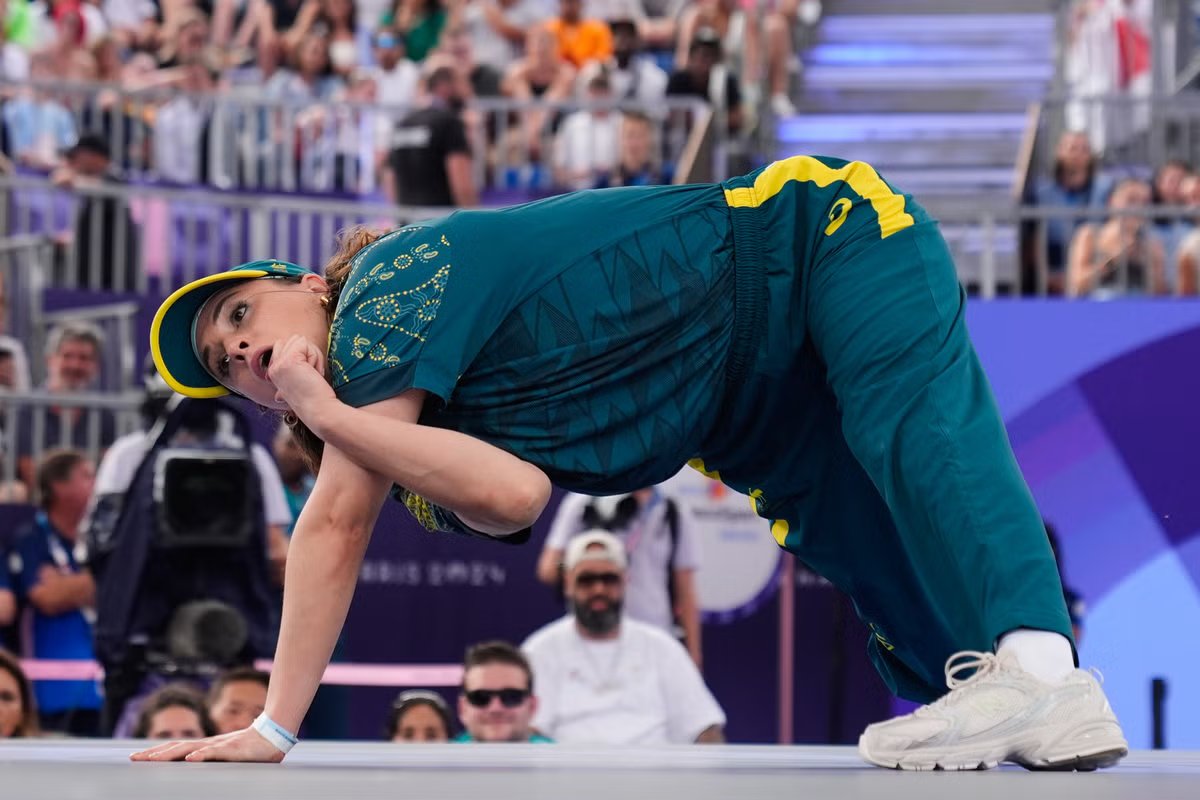
In the summer of 2024, the world’s introduction to breaking as an Olympic sport was defined not by gravity-defying power moves, but by the unconventional performance of Australia’s Rachael Gunn—better known to the global internet as “Raygun.” Following a performance that went viral for all the wrong reasons, the Sydney-based breaker is finally pulling back the curtain on the psychological toll of becoming an overnight global punchline.
In the newly released Netflix documentary, Untold: Raygun, Gunn reveals that she harbored a haunting premonition long before she touched down in Paris. In a candid interview, she recalls a session with her therapist just days before the Games. When asked to identify her greatest fear, Gunn admitted she worried the “whole world could laugh at me.” Her therapist’s attempt to reassure her that such an outcome was unlikely proved to be a tragic miscalculation.
The Anatomy of a Viral Storm
Gunn’s performance, which featured now-infamous moves like the “kangaroo” and the “sprinkler,” failed to earn a single point from the Olympic judges. While she intended to showcase a unique, artistic approach to the sport, the internet reacted with a relentless wave of mockery.
“I was cringe. I brought shame and embarrassment on the country. That was rough,” Gunn admits in the documentary. “I felt like my life was just crumbling before me in a way that I could never have anticipated… I felt like I was falling into a dark pit.”
The aftermath was swift and unforgiving. Beyond the inevitable memes, Gunn found herself at the center of conspiracy theories regarding her qualification for the Games and became the subject of intense media scrutiny. The backlash eventually reached such a fever pitch that a planned stage musical based on her Olympic appearance was forced to change its title following legal intervention.
Reclaiming the Narrative
Despite the “devastating” fallout—which ultimately led to her retirement from competitive breaking—Gunn is working to move beyond the digital caricature. Having left her position as a university lecturer, she is now rebranding as a speaker and educator.
While she acknowledges that some of the early jokes were humorous, she notes that the discourse quickly turned toxic. Today, she is determined to reclaim her identity from the viral clip that defined her summer. “I can’t just be a meme,” she asserts in the film.
As the dust settles on one of the most polarizing moments in recent sporting history, the documentary serves as both a post-mortem of a viral sensation and a cautionary tale about the human cost of global online ridicule. For those interested in the full story behind the headlines, you can read more about Rachael Gunn and her journey from the Olympic stage to the Netflix spotlight in The Independent’s comprehensive coverage.