








Advancing Ergonomics for the iPhone Duo
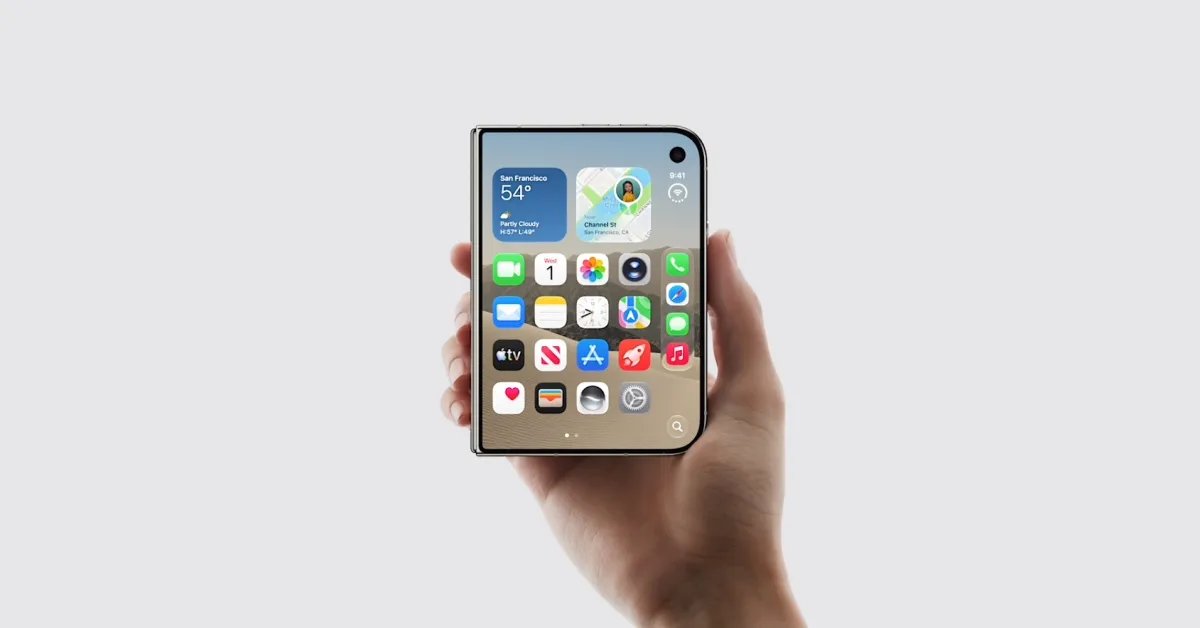
The introduction of the iOS 27.3 beta marks a significant refinement for Apple’s latest hardware release, the iPhone Duo. As the company continues to iterate on the unique form factor of this dual-screen device, software updates play a critical role in addressing user interaction challenges. The most notable addition in this version is the expansion of the Reachability feature to the iPhone Duo’s outer display. This accessibility function, which has been a staple of the standard iPhone experience for years, has been re-engineered to accommodate the specific physical constraints of the Duo’s outer interface.
For many users, the primary appeal of a dual-screen device is the ability to maintain productivity and connectivity while the device is in its closed state. However, the physical dimensions and grip patterns required for a foldable or dual-panel device can often make it difficult to interact with UI elements located at the top or opposite sides of the screen. By implementing a customized version of Reachability, Apple is addressing the ergonomic strain that accompanies larger or uniquely shaped mobile displays, ensuring that primary navigation remains accessible even when the user is operating the phone with only one hand.
How the New Reachability Implementation Functions
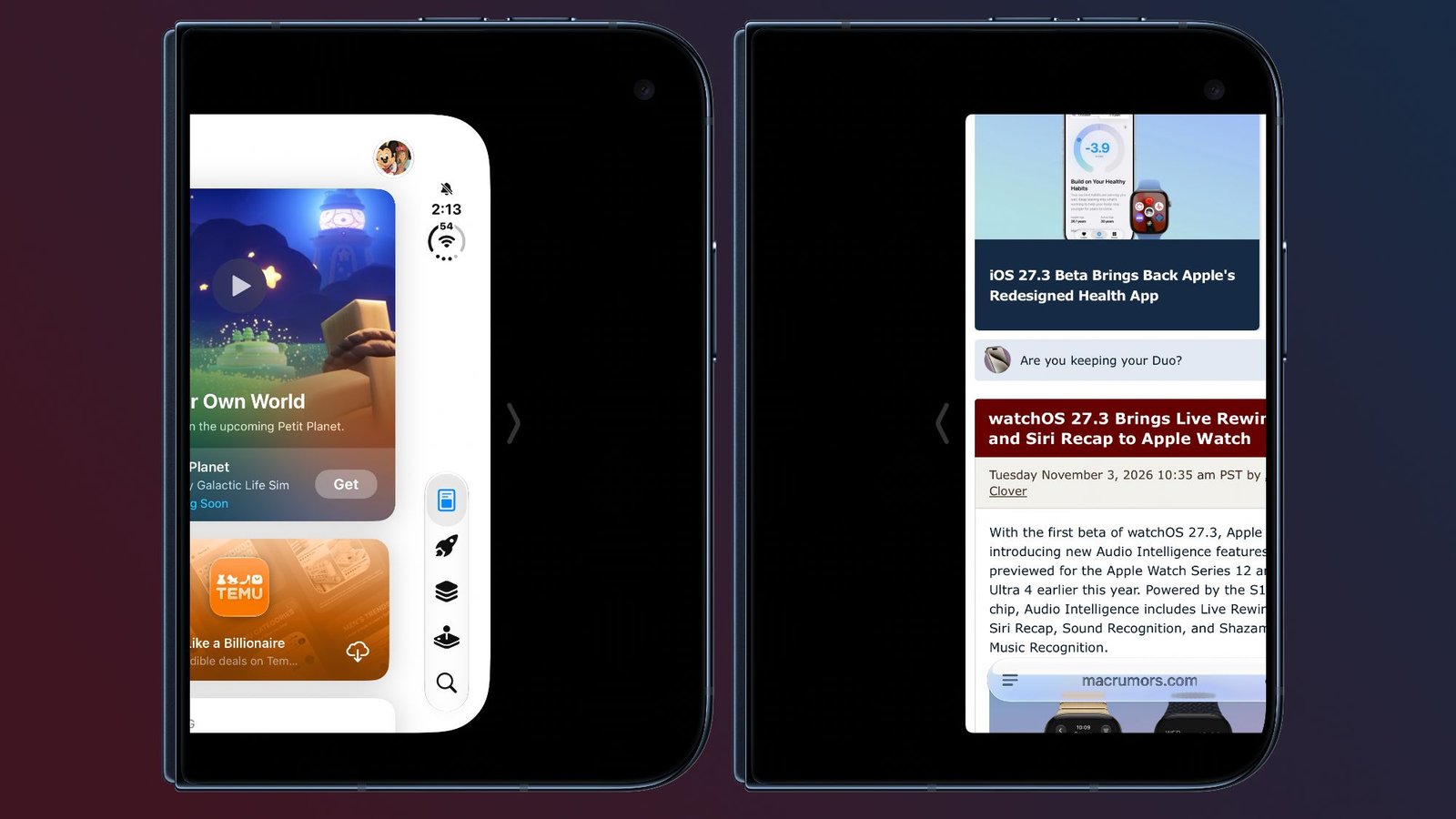
The mechanics of Reachability on the iPhone Duo are designed to be intuitive and fluid. When the device is in its closed configuration, users can trigger the shift by performing a short swipe gesture. A leftward swipe on the left edge or a rightward swipe on the right edge of the outer display will shift the entire interface toward the user’s thumb. This repositioning effectively lowers or centers the content within the reachable zone of the screen, allowing the user to tap buttons, access navigation menus, or select links that would otherwise be out of reach.
The software is configured to be active by default upon updating to the iOS 27.3 beta. Users who wish to modify or disable this behavior can navigate to the Settings application, select the Accessibility menu, proceed to Touch, and toggle the Reachability settings as desired. This granular control allows users to customize their interface based on their personal grip strength and physical reach, ensuring that the software adapts to the user rather than forcing the user to adapt to rigid hardware dimensions.
Addressing Usability in a Dual-Display Environment
The shift toward specialized software for the iPhone Duo represents a broader initiative to make high-end hardware accessible to a wider demographic. The device presents a complex user interface challenge; apps must seamlessly transition between landscape and portrait orientations, and internal software must account for the mechanical limitations of the hinge. The implementation of Reachability on the external screen is an acknowledgment that the outer display is not merely a notification ticker, but a fully functional interface that demands the same level of tactile comfort as the internal main display.
By providing a way to shift content laterally, Apple is essentially creating a virtual “one-handed mode” for the external screen. This is particularly important for users who are often multitasking while walking or holding items in their other hand. The technical implementation requires precise detection of edge gestures to distinguish between standard scrolling, swiping, and the specific Reachability trigger. By refining the gesture recognition in iOS 27.3, Apple ensures that the feature is responsive and reliable, avoiding the accidental triggers that often plague sophisticated gesture-based systems.
Impact on Future Development Cycles
As the iPhone Duo matures, the feedback loop between the hardware design team and the software engineering department becomes increasingly visible. The deployment of Reachability indicates that the company is actively monitoring user reports and hardware usage patterns to bridge the gap between complex physical design and comfortable interaction. The software serves as a buffer that mitigates the potential negative outcomes of unique hardware form factors, such as hinge fatigue or screen orientation issues.
Furthermore, this update suggests that future iterations of iOS will likely include more bespoke features tailored to the specific geometry of dual-screen hardware. As developers begin to integrate more advanced landscape-oriented content into their applications for the Duo, Apple’s underlying OS support for these varied screen states will become increasingly vital. The Reachability update is a foundational step in that direction, proving that sophisticated software solutions can significantly enhance the long-term viability and comfort of innovative hardware designs.
Ongoing Hardware Considerations
While software updates like iOS 27.3 provide necessary quality-of-life improvements, they exist alongside ongoing real-world hardware discussions. Recent reports regarding display concerns near the hinge area suggest that users are still navigating the initial durability phases of this new product line. As these physical challenges are addressed through manufacturing refinements and hardware revisions, software, including features like Reachability, continues to play a stabilizing role.
The update confirms that Apple is committed to the long-term success of the iPhone Duo. By prioritizing accessibility and ergonomic efficiency, the company is demonstrating that the Duo is not a one-off experiment, but a platform that will receive consistent attention and optimization. Users are encouraged to update to the latest beta to take advantage of these improvements, though they should remain aware of the ongoing technical support documentation as the platform evolves. For those who prioritize a compact and accessible user experience on a cutting-edge device, the integration of Reachability is a welcome and necessary refinement.
Disclaimer: This content is auto-generated for informational purposes only.
Source: Read Original News