








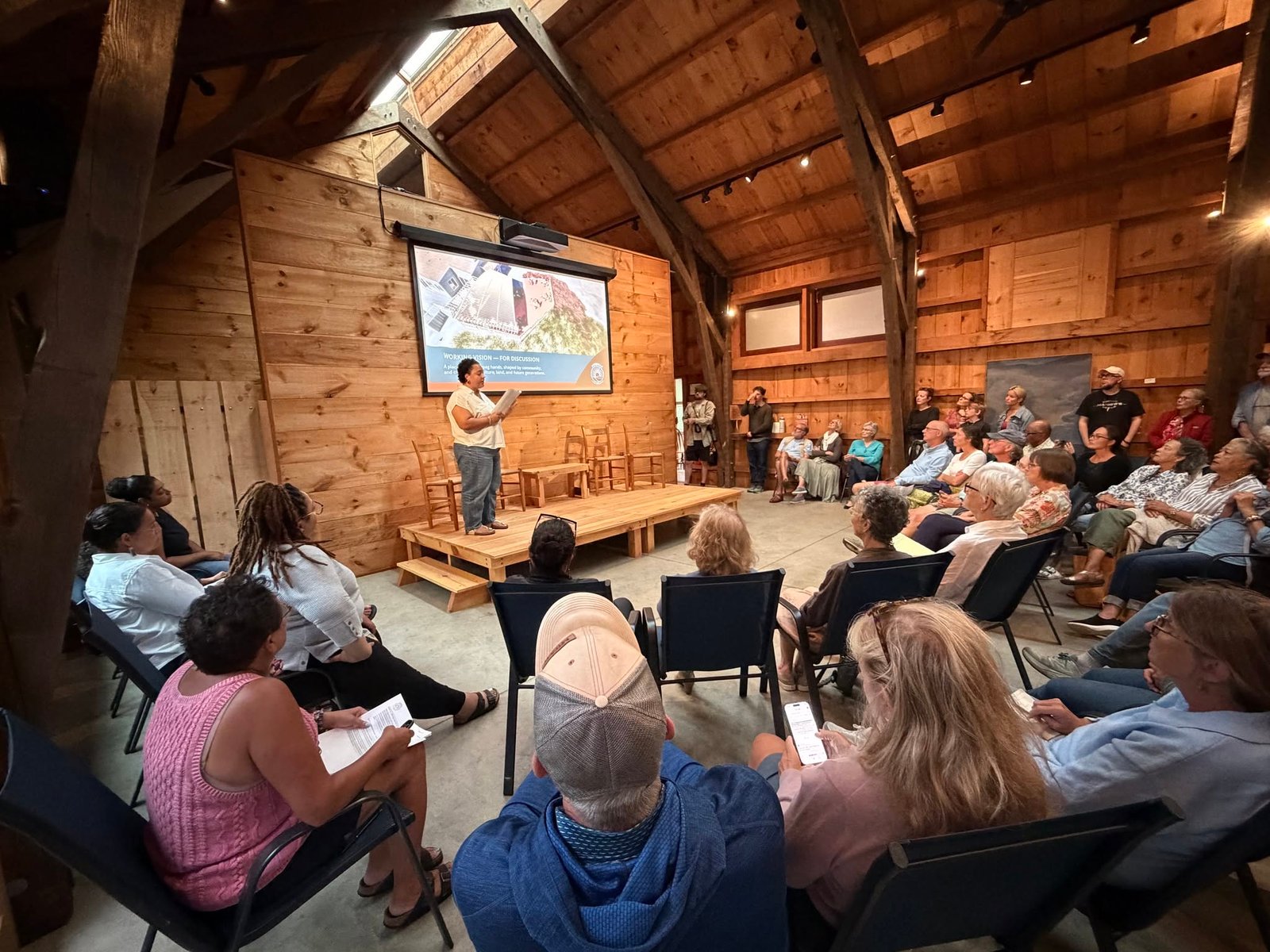
A Native-led nonprofit has embarked on an ambitious $8 million capital campaign to reclaim and restore a historic piece of Martha’s Vineyard. The Aquinnah Land Initiative (ALI), a nonprofit organization comprised entirely of Wampanoag Tribe of Gay Head (Aquinnah) citizens, is spearheading the effort to secure the former Aquinnah Shop—a landmark 3.5-acre property perched precariously and beautifully above the famous Gay Head Cliffs.
The project represents a significant “land back” milestone, transitioning the property from its current holder, the Native Land Conservancy, back into the hands of the community that has stewarded the region for generations.
A Legacy Reclaimed Through Community Stewardship
The Aquinnah Shop holds profound personal and historical significance for the Wampanoag community. Established in the 1940s by Napoleon and Nanette Madison, the restaurant served as a vital social hub for tribal families for decades. For Amira Madison, a board member of ALI and a direct descendant of the founders, the acquisition is both a professional responsibility and a deeply personal homecoming.
“If we’re not doing this, who else is going to step up in the community to take on something like this?” Madison remarked. The project aims to do more than just renovate a building; it seeks to formalize the presence of the Wampanoag people on their ancestral clifftops, ensuring the site remains a gathering place for future generations.
The transition process has been uniquely collaborative. When the property hit the market, the Native Land Conservancy—led by Mashpee Wampanoag citizens—stepped in to purchase it for $2 million in 2023. This “Native-to-Native” partnership provided the necessary breathing room for the ALI to organize, file for 501(c)(3) status, and begin the rigorous task of fundraising.
Navigating Administrative and Environmental Challenges
Restoring property on the fragile bluffs of Martha’s Vineyard presents significant hurdles. The project must balance the physical demands of erosion-prone cliffside maintenance with the complex administrative requirements of property management.
To assist with these logistical complexities, the initiative has already received a major boost in the form of a $717,500 Municipal Vulnerability Preparedness grant, awarded by the state for the 2025 fiscal year. This funding acknowledges the importance of returning the site—located at 27 Aquinnah Circle—to indigenous ownership while addressing the environmental sensitivities inherent to the island’s coastline.
While the board is still determining the ultimate use of the site—ranging from cultural education centers to tribal-operated businesses—the current focus remains on raising the $8 million necessary for the purchase, structural stabilization, and long-term upkeep of the historic shack.
Setting a Precedent for Future Land Returns
The Aquinnah Land Initiative views this project as a pilot program for a broader movement. By successfully navigating the financial and legal landscape of land reclamation, the nonprofit hopes to create a replicable model for future indigenous land-return projects. Whether through conservation easements, direct purchases, or settlements, the board is committed to expanding the footprint of Wampanoag land stewardship.
As the campaign progresses, the organization continues to lean into its roots, ensuring that the project remains guided by the values of those who built the original shop nearly a century ago. “All of us have been impacted in terms of either working for the Aquinnah Shop, eating there every day, or connecting with most of the community there,” Madison said. “This will be an incredible space of knowledge and education.”
Through this endeavor, the ALI is not just restoring a building; it is reclaiming a sense of place, proving that dedicated community organization can overcome even the most daunting barriers to cultural and territorial preservation.
Disclaimer: This content is auto-generated for informational purposes only.
Source: Read Original News