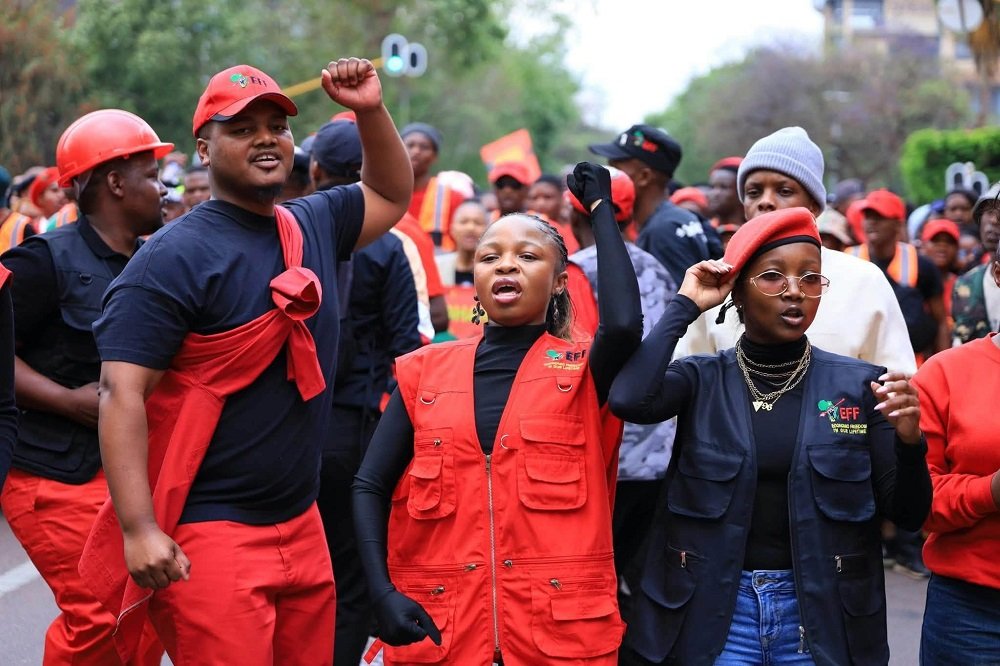








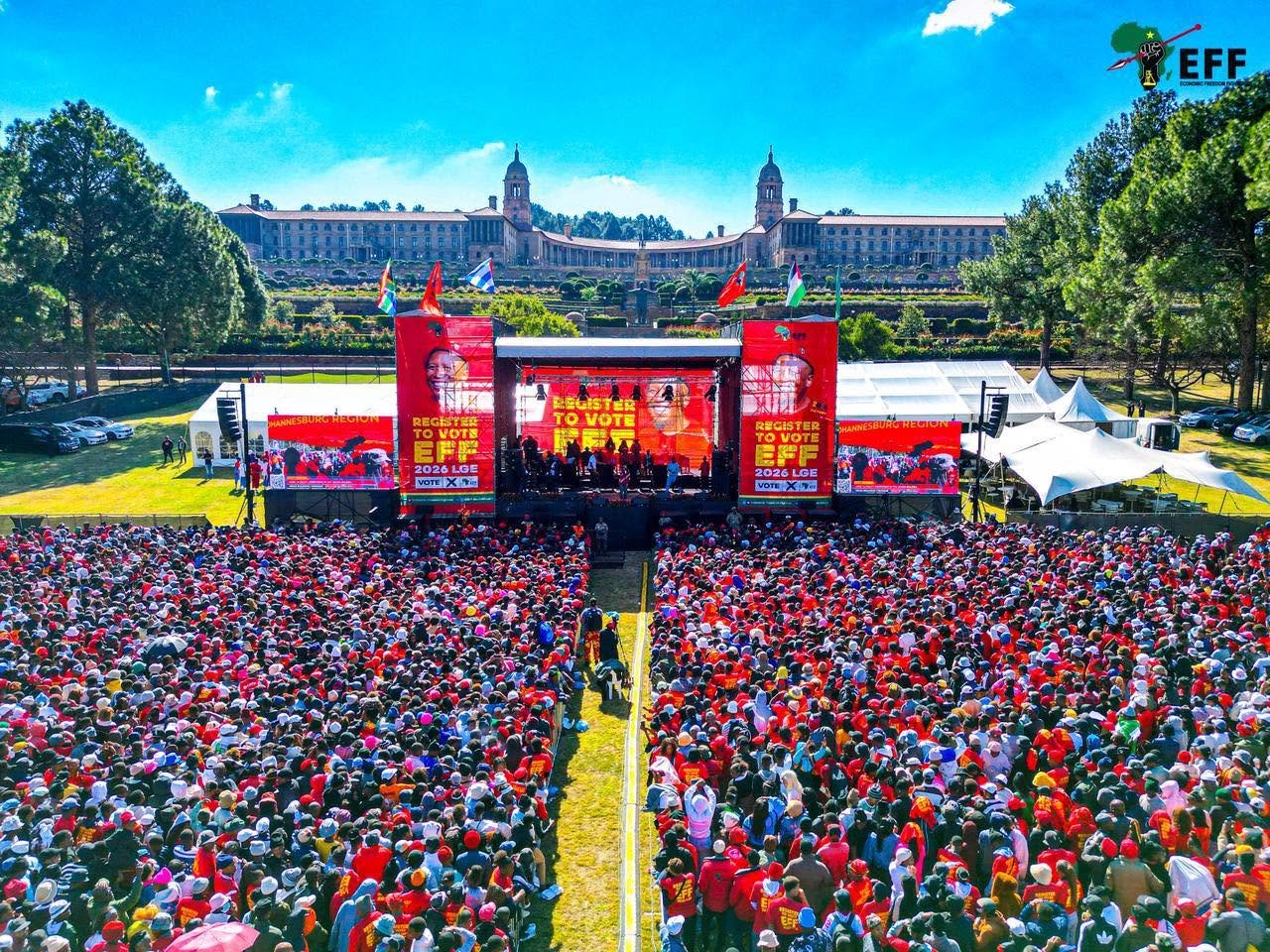
As vote counting progresses in the 2026 local government elections, the Economic Freedom Fighters (EFF) are facing a precarious political reality. With 54% of voting districts declared, the party is currently polling at approximately 5.9%—a significant decline that marks a sharp departure from the growth trajectory seen in previous cycles, where they rose from 8.31% in 2016 to 10.17% in 2021.
Political analyst Dr. Kuhle Zwakala has sounded the alarm, warning that the EFF must urgently rethink its political strategy or face further irrelevance. Speaking to SABC News, Zwakala described the party as suffering from a sense of “political fatigue,” arguing that the EFF has become predictable and has failed to present a fresh vision to an increasingly skeptical electorate.
“They appear like a party that is fatigued,” said Zwakala. “There’s nothing new that they’ve said. With over 50 political parties on the ballot, they have failed to rejuvenate their brand and cut through the clutter. If you aren’t evolving your messaging, you are essentially stagnant.”
Zwakala points to a fundamental strategic error made by the party in its earlier years: the refusal to participate directly in local governance. By opting to remain in opposition rather than taking on executive roles in municipalities, the EFF missed a vital opportunity to demonstrate its competence and implement its policy platform. According to Zwakala, this refusal to govern has “come back to bite” the party, as voters are now less convinced of the EFF’s ability to move from radical rhetoric to effective service delivery.
Beyond the issue of governance, the party’s stance on immigration has become a significant liability. The EFF’s pro-immigration rhetoric has been a source of internal friction—most notably cited by its former deputy president—and has put the leadership at odds with a growing segment of the public concerned about lawlessness and undocumented migration. Zwakala suggests that the EFF’s current position is disconnected from the realities of the electorate, who are demanding a stricter adherence to the rule of law.
“The EFF will really have to reflect on and perhaps take a different position,” Zwakala noted. He argued that the debate, which has been highly polarized, requires a return to legal frameworks rather than political posturing. “Everything needs to happen within the framework of the law. Everyone must be subjected to that law.”
As the African National Congress (ANC) leads the national count, followed by the Democratic Alliance (DA) and the surge of the MK Party, the EFF finds itself at a crossroads. Whether the party can recover its historical momentum or continue its decline depends on its willingness to undergo the deep introspection that analysts like Zwakala say is now non-negotiable.
Disclaimer: This content is auto-generated for informational purposes only.
Source: Read Original News