








New Indian Initiative Targets Textile Waste with Nationwide “Freedom from Unused Garments” Campaign
In a significant move to tackle the growing environmental crisis of textile waste, a broad coalition of industry leaders and non-profits has launched “Freedom from Unused Garments.” This nationwide campaign seeks to revolutionize textile circularity in India by streamlining the collection, reuse, and upcycling of discarded clothing through a user-friendly digital interface.
The initiative, powered by the digital platform ReFiber, was unveiled during an online stakeholder meeting that highlighted the urgent need for a shift in consumer behavior. By allowing citizens to arrange convenient doorstep pickups of unwanted apparel, the campaign aims to divert millions of tons of textiles from landfills.
Addressing the Textile Waste Crisis
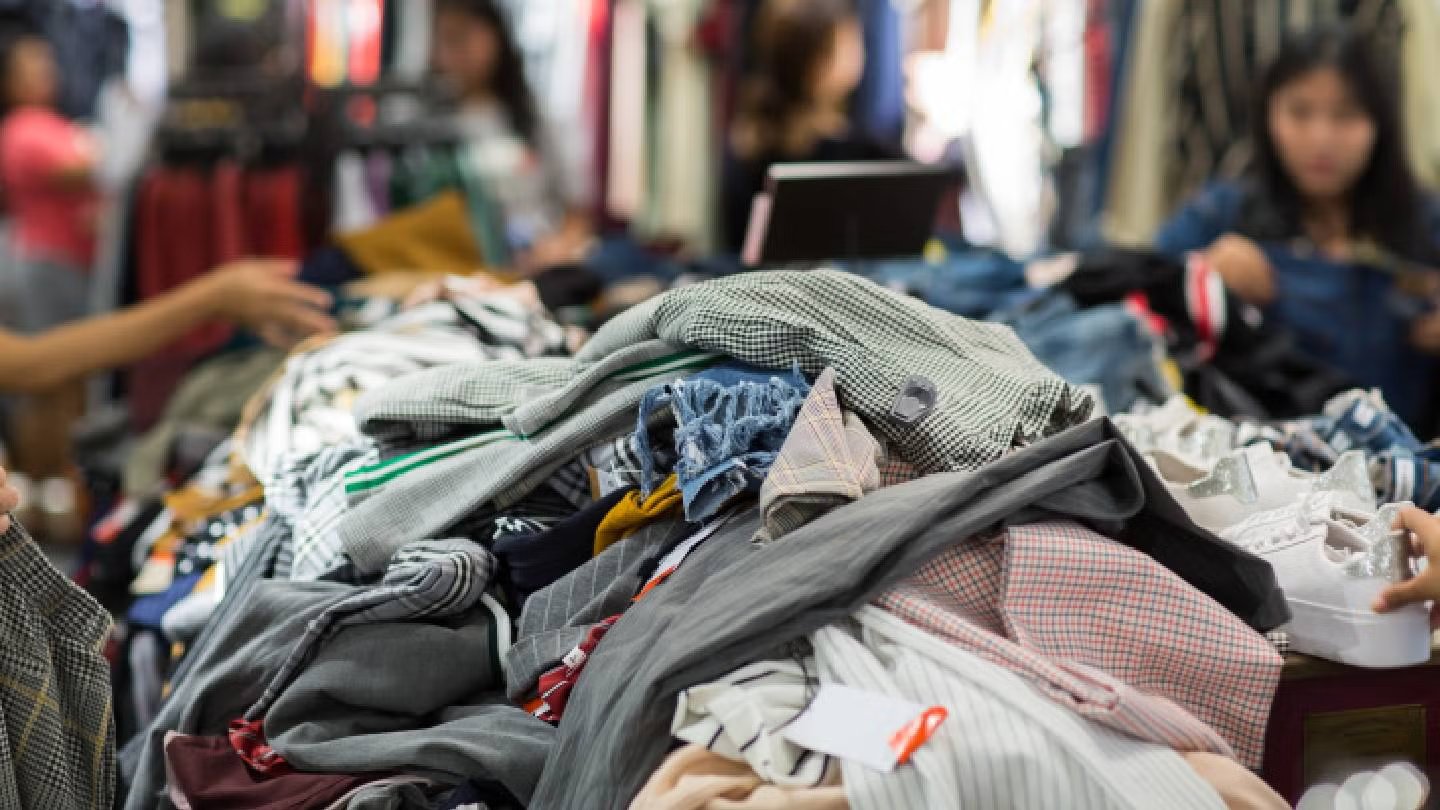
The scale of the challenge is substantial. During the launch, Vrunda Desai, Textile Commissioner at the Ministry of Textiles, revealed that India generates approximately 70 lakh tons of textile waste every year. Perhaps most alarmingly, nearly 58% of this waste is generated post-consumer.
“Every discarded garment represents valuable resources like the fibre, water, energy, chemicals, the transportation, and the human effort in it,” Desai noted. She lauded the ReFiber initiative for its accessibility, emphasizing that the platform removes the logistical hurdles that often prevent consumers from participating in recycling efforts.
A Multistakeholder Approach to Circularity
The campaign is bolstered by a high-profile partnership including the Tisser Artisan Trust, the Clothing Manufacturers Association of India (CMAI), UNIDO, and Lions International. Each partner brings a unique focus to the effort, ranging from artisan support and economic empowerment to systemic infrastructure development.
- Shifting Perceptions: Dr. Megha Phansalkar, founder of the Tisser Artisan Trust, advocated for a conceptual shift: “Let’s think how we can bring our garments… not as discarded material but as raw material for the further journey.”
- Economic Empowerment: CMAI President Santosh Katariya highlighted that the program not only mitigates environmental damage but also offers significant potential for women’s economic empowerment within the recycling economy.
- Sustainable Models: Dr. Pankaj Kumar of UNIDO emphasized the importance of financial viability, suggesting that successful regional pilot programs will serve as the blueprint for eventual national adoption.
Looking Toward Global Best Practices
A key takeaway from the launch was the call for India to adopt global circular economy standards. Manoj Wanvari, COO of OterRi and ReFiber, specifically pointed to the success of “ReTuna” in Sweden—the world’s first recycling mall—as a model for India to emulate. He urged the government to provide the necessary backing to create dedicated infrastructure, such as recycling hubs, to facilitate a truly circular textile ecosystem.
As part of its long-term strategy, ReFiber is working with the Ministry of Textiles to connect its digital platform with a nationwide network of upcyclers. This will be supported by an “Upcycler Marketplace,” designed to give small businesses and artisans a dedicated space to sell products made from reclaimed materials.
Early Success and Future Momentum
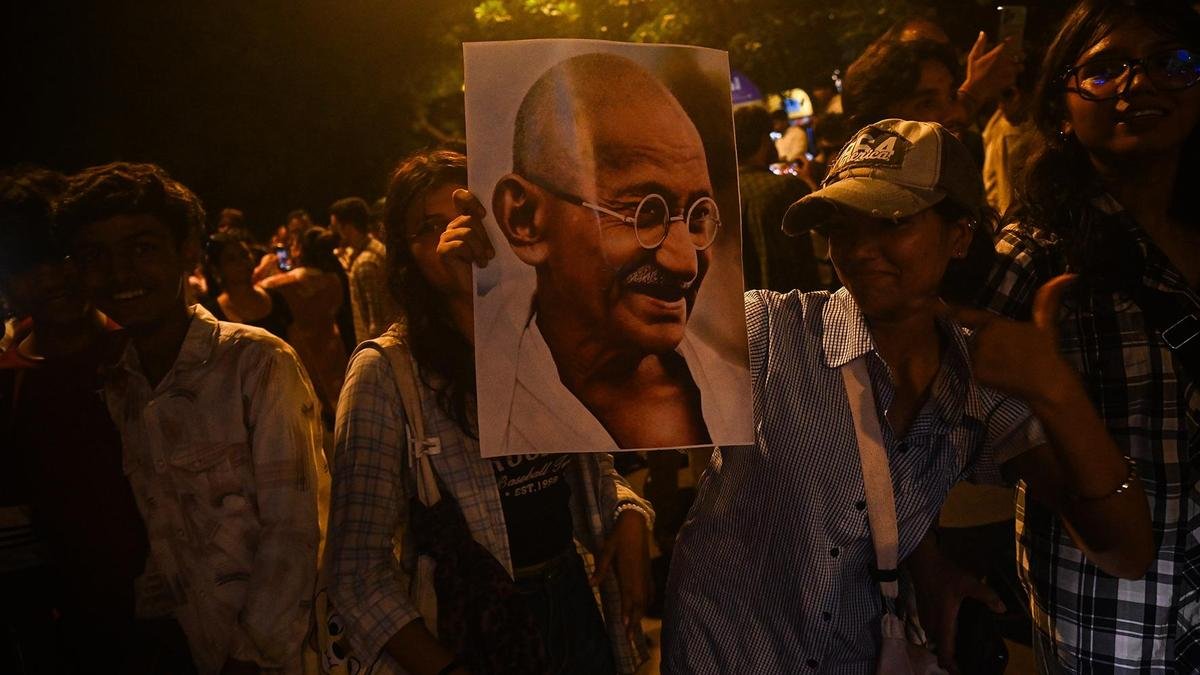
The “Freedom from Unused Garments” initiative comes at a poignant moment, coinciding with India’s 80th Independence Day milestones. Early indicators suggest a strong public appetite for sustainable alternatives; the ReFiber app recorded nearly 42 collection requests at the moment of launch, with interest continuing to build through organic engagement.
By bridging the gap between consumers and the recycling industry, the campaign aims to prove that environmental responsibility can be as simple as the press of a button, turning a national waste problem into a pathway for sustainable growth.