







Beyond the Hiss: Why Control Resonant Is Much More Than Just an Action Game
When I first stepped into the Manhattan of Control Resonant back in June, my primary concern was simple: had Remedy Entertainment tilted the scales too far toward mindless action?
Like many fans of the original Control, I feared that shifting to a more expansive, open-world format might result in a game that functioned more as an XP-grinding playground than the narrative-rich, mind-bending experience we’ve come to expect from the studio. However, after an exclusive two-hour deep dive into the sequel, I am relieved to report that my reservations have been entirely silenced. Control Resonant is not just an action-packed spectacle; it is a masterful expansion of the strange, unsettling DNA that defines Remedy’s output.
A Singular Vision of New York
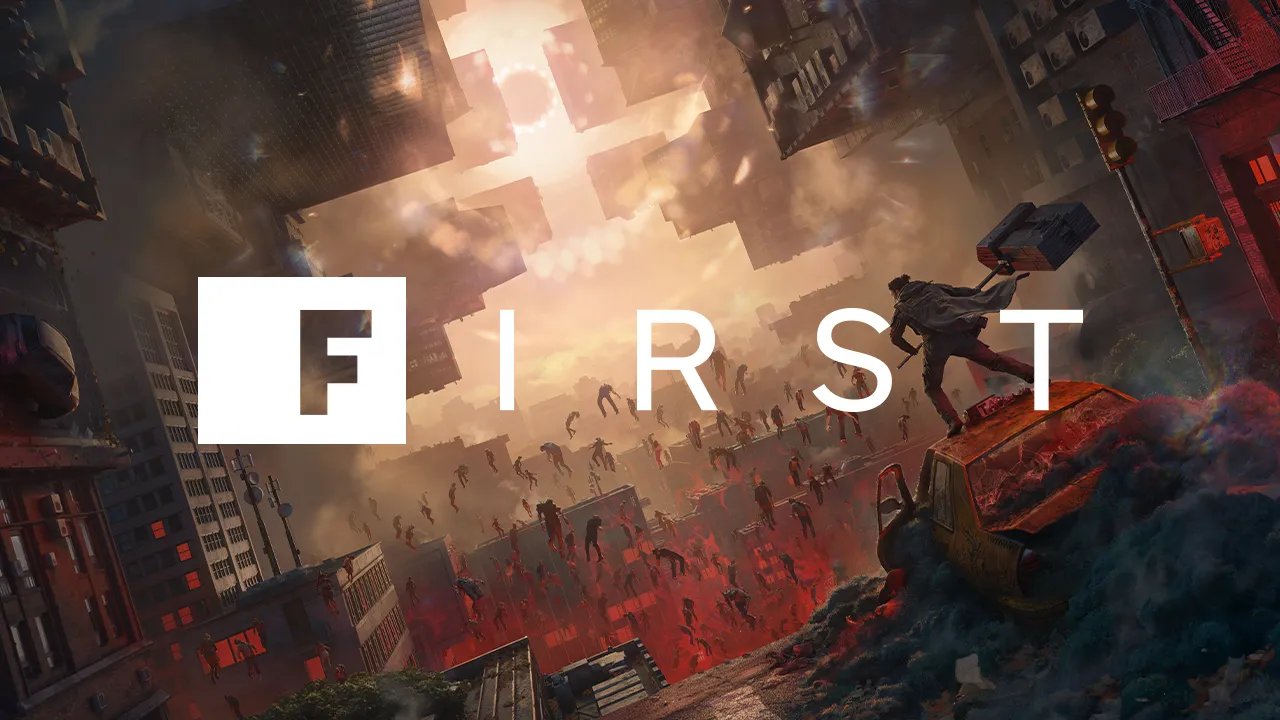
The game’s world-building remains, as ever, completely unrivaled. While you might spot playful nods to sci-fi tropes—such as a developer note referencing the folding cities of Inception—the game feels unmistakably like a Remedy title. From the art deco-inspired skyscrapers to the eerie, looping snapshots displayed within fast-travel portals, the environmental storytelling is as sharp as ever.
This commitment to atmosphere is perhaps best highlighted in the new subway-based mission, “The Metro Vault.” While the quest serves a mechanical purpose—teaching players the “Reach” ability, a new grapple-hook mechanic—it is woven deeply into the personal narrative of the protagonist, Dylan, and his connection to his sister, Jesse. Remedy continues to prove that they are masters at layering gameplay progression with genuine narrative stakes.
Combat: Refined and Ruthless
The shift toward action RPG mechanics has resulted in a combat system that feels fluid and gratifying. Whether you are manipulating gravity to walk on subway ceilings or switching between the shapeshifting “Aberrant” weapon’s hammer and blade forms to dismantle armored Mold enemies, the combat is consistently inventive.
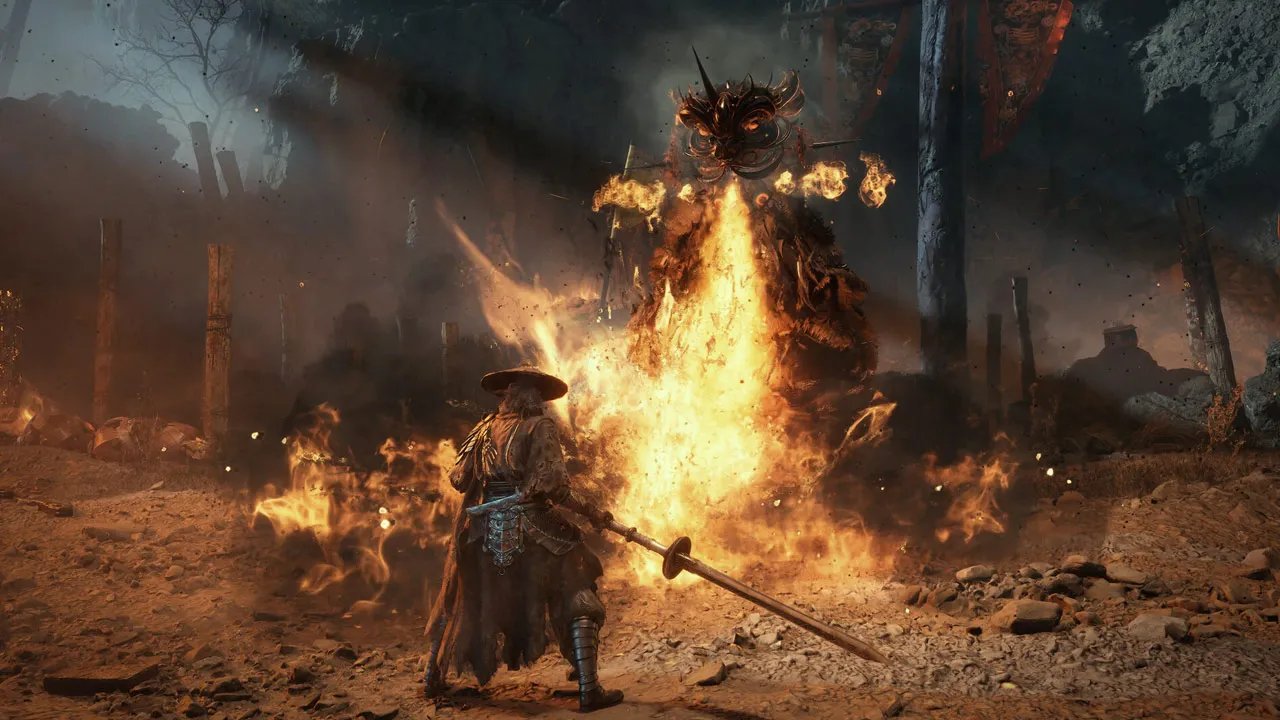
A particularly welcome design choice is the pacing: once major enemies in a horde are defeated, the smaller “grunts” vanish. This keeps the momentum high, preventing players from getting bogged down in repetitive, tedious skirmishes. Furthermore, the boss encounters, such as the titanic, lava-spewing magma monster I faced in a factory vault, are brilliantly tuned. They demand constant mobility and aggressive play, utilizing a clever healing system tied to health-bar milestones rather than forcing players to scavenge for resources.
The Return of the Weird
While the action is polished, the game’s core identity—the “weird”—is alive and well. From sneaking up on a self-teleporting Polaroid camera to solving complex environmental puzzles that require transporting energy across rooftops, the world is packed with mystery.
My time with the final preview of the game confirmed that while Control Resonant adopts some open-world conventions, it refuses to succumb to the “checklist” fatigue common in the genre. It offers deep lore, rewarding exploration, and the trademark dark humor that turns even the most desperate situations into memorable encounters.
Ultimately, Control Resonant succeeds by balancing its high-octane combat with the intellectual curiosity and environmental storytelling that made the original game a landmark title. The studio has successfully upsized its world without losing its soul. As I look forward to the game’s release on September 24, I’m confident that this sequel will be a defining moment for fans of paranormal mystery and slick, satisfying action.