






Accelerating Renewable Transition Essential for Europe’s Energy Security, Says EEA Chief
BRUSSELS/COPENHAGEN – As Europe grapples with the dual challenges of a changing climate and volatile energy markets, the European Environment Agency (EEA) has issued a stark reminder: the transition to sustainable power is no longer just an environmental goal—it is a critical pillar of continental security.
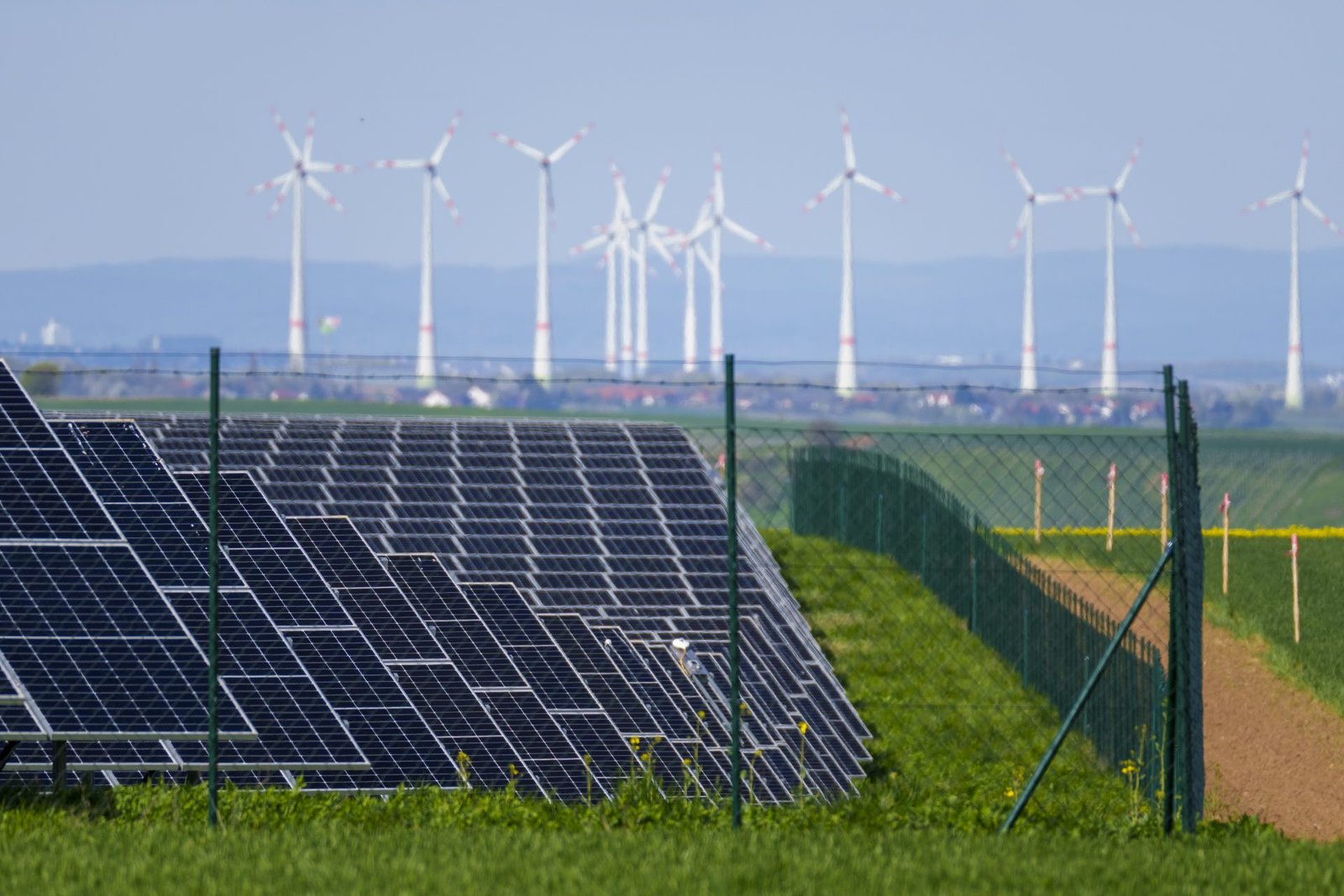
In an exclusive interview with the European Newsroom (enr) published Tuesday, EEA Executive Director Leena Ylä-Mononen emphasized that weaning Europe off its reliance on imported fossil fuels is paramount. According to Ylä-Mononen, achieving this requires a multi-pronged approach encompassing a circular economy, enhanced energy efficiency, and a rapid, widespread deployment of renewables.
A Climate-Resilient Strategy
The urgency of the EEA’s message follows a punishing summer that saw Europe battle record-breaking heatwaves, severe droughts, and devastating wildfires. Ylä-Mononen noted that the “increasing magnitude of climate-related disasters” underscores the necessity of aggressively slashing greenhouse gas emissions.
Beyond environmental mitigation, the economic argument for the transition is growing stronger. A July report from the EEA highlighted the stark economic reality of the current energy landscape: while gas price fluctuations in early 2026 cost the EU €13 billion by mid-April, renewable energy sources saved consumers €29 billion in the same period. The agency concluded that renewables currently serve as the most effective “shock absorber” within the European energy system.
Bridging the Gap for Households
Recognizing that the transition can place a financial burden on citizens, particularly during periods of extreme weather, Ylä-Mononen called for “flexibilities” in energy storage. These buffers are essential to protect vulnerable households from the typical price spikes associated with cold snaps.
The EEA chief pointed to technological innovation as a path forward, suggesting that everyday infrastructure could double as emergency power. “We need many aspects and solutions to protect the most vulnerable households,” she said, highlighting the potential of electric vehicle batteries. By using these vehicles to store energy and feed it back into the grid during peak pricing, cities could create a decentralized reserve system to stabilize costs.
The Urban Energy Challenge
Despite the clear benefits of a renewable shift, Ylä-Mononen acknowledged that the transition poses unique hurdles for urban centers.
“Cities in particular have a challenge because their whole energy and mobility infrastructure is based very much still on the fossil economy,” she explained. While the physical space in dense urban environments precludes the installation of large-scale wind turbines, she remains optimistic about solar energy. With the right investment frameworks and support from local and national authorities, Ylä-Mononen noted that widespread rooftop solar adoption remains a highly feasible and necessary option for the modern city.
The European Environment Agency continues to provide the independent data and rigorous analysis necessary to guide EU policymakers through these complex transitions, ensuring that Europe’s path toward a sustainable future is both scientifically grounded and economically resilient.