








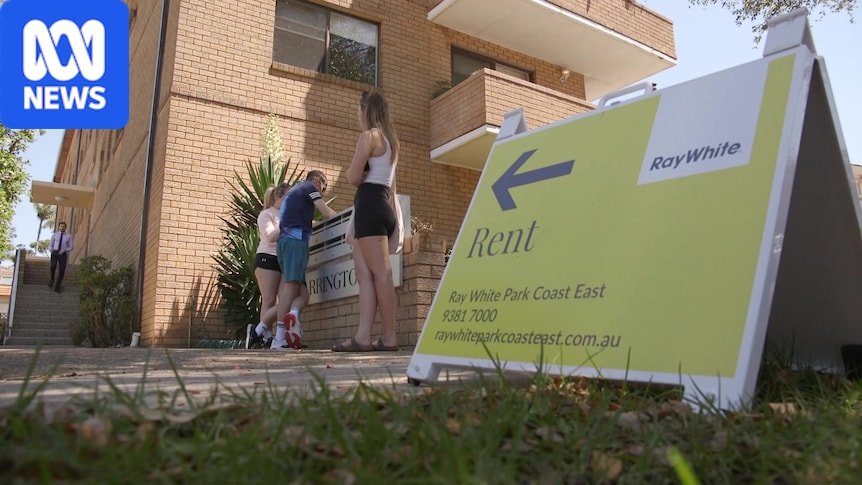
Australia’s rental market is showing signs of cooling for the first time in years, as new data reveals that record-high prices have finally hit an affordability ceiling.
Despite a chronic shortage of housing, the latest report from Domain shows that capital city house rents remained stagnant at $700 per week over the September quarter. While unit rents saw a marginal increase of 1.5 per cent, the overall momentum in the market has slowed significantly compared to the rapid growth observed earlier this year.
This emerging disconnect between low vacancy rates and rental growth suggests that tenants have been pushed to their absolute financial limit. Domain’s chief residential economist, Dr. Nicola Powell, noted that the traditional link between tight supply and rising costs is weakening.
“Tenants’ ability to absorb further increases is really the dynamic that is limiting further rental growth,” Dr. Powell said. “There’s almost a disconnect now between where vacancy rates sit and what is occurring for rental growth.”
While the market remains heavily in favor of landlords, the reality of the cost-of-living crisis is forcing a change in consumer behavior. In Sydney and Canberra, house rents actually declined by $5 and $10 respectively over the quarter, effectively erasing gains made in June. Meanwhile, Melbourne, Brisbane, Perth, and Adelaide saw rents flatline. Only Darwin and Hobart recorded notable growth, bucking the national trend.
Independent property economist Cameron Kusher suggests that renters are increasingly resorting to “lifestyle compromise” to survive the current climate. Rather than paying higher premiums for central or desirable locations, many are relocating to cheaper, less ideal areas. Others are turning to share-housing arrangements or delaying moving out of the family home to offset record-high costs.
The data has also injected the rental crisis into the political arena. One Nation recently unveiled a proposal to cut 750,000 temporary visas over three years, claiming the move would reduce rental inflation by 6.5 per cent and save the average renter nearly $3,000 annually.
However, experts remain skeptical about the efficacy of such measures. Mr. Kusher pointed out that given the extreme scale of rent increases over the past few years, migration policy shifts alone may be insufficient to provide meaningful relief. He also highlighted that recent federal budget changes affecting property investment, which some feared would trigger further rental hikes, have yet to cause the dramatic market disruption many had initially anticipated.
While the national vacancy rate rose slightly to 1 per cent, the market remains remarkably tight by historical standards. For now, however, the era of relentless rent hikes appears to have reached a plateau, as the nation’s tenants signal that they can no longer afford to pay more.
Disclaimer: This content is auto-generated for informational purposes only.
Source: Read Original News