






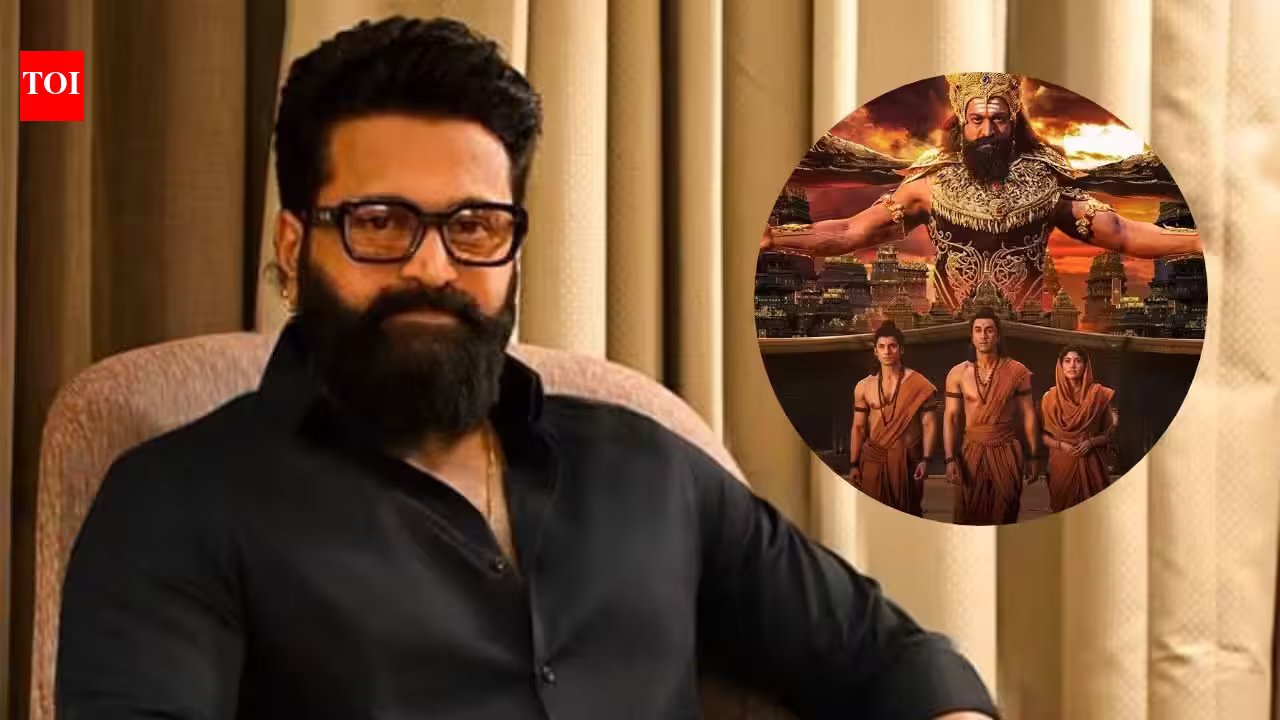
The landscape of Indian cinema is currently witnessing a tectonic shift, one where the boundaries of regional film industries are dissolving into a singular, powerhouse entity of pan-Indian storytelling. As we inch closer to the release of Nitesh Tiwari’s gargantuan mythological epic, Ramayana, the excitement is palpable—and it isn’t just coming from the fans. Industry stalwarts are lining up to laud a project that promises to redefine the technical and narrative ceiling for Indian films. The latest voice to add his weight to the chorus of anticipation is none other than Kannada cinema’s golden boy, Rishab Shetty.
Known for his deep-rooted connection to folklore and cultural heritage, particularly following the global phenomenon that was Kantara, Shetty’s endorsement of the upcoming Ramayana carries a specific kind of artistic gravitas.
A Visionary’s Stamp of Approval
Taking to X (formerly Twitter) to share the film’s promotional material, Rishab Shetty didn’t just offer a generic “good luck” message. Instead, he framed the project as a milestone for the country’s collective identity. “There’s something truly special about seeing our timeless stories and culture brought to life on such a grand scale. A proud moment for Indian cinema!” Shetty remarked.
For a filmmaker who has spent the last few years championing the raw, indigenous power of Karnataka’s traditions, seeing such a massive, studio-backed venture attempt to tackle the epic Ramayana is clearly a point of professional pride. His words—”May #Ramayana create history and inspire generations”—underscore a shared ambition among the current generation of Indian filmmakers to move beyond localized narratives and produce global spectacles that remain firmly tethered to their cultural roots.
The Anatomy of a Modern Epic
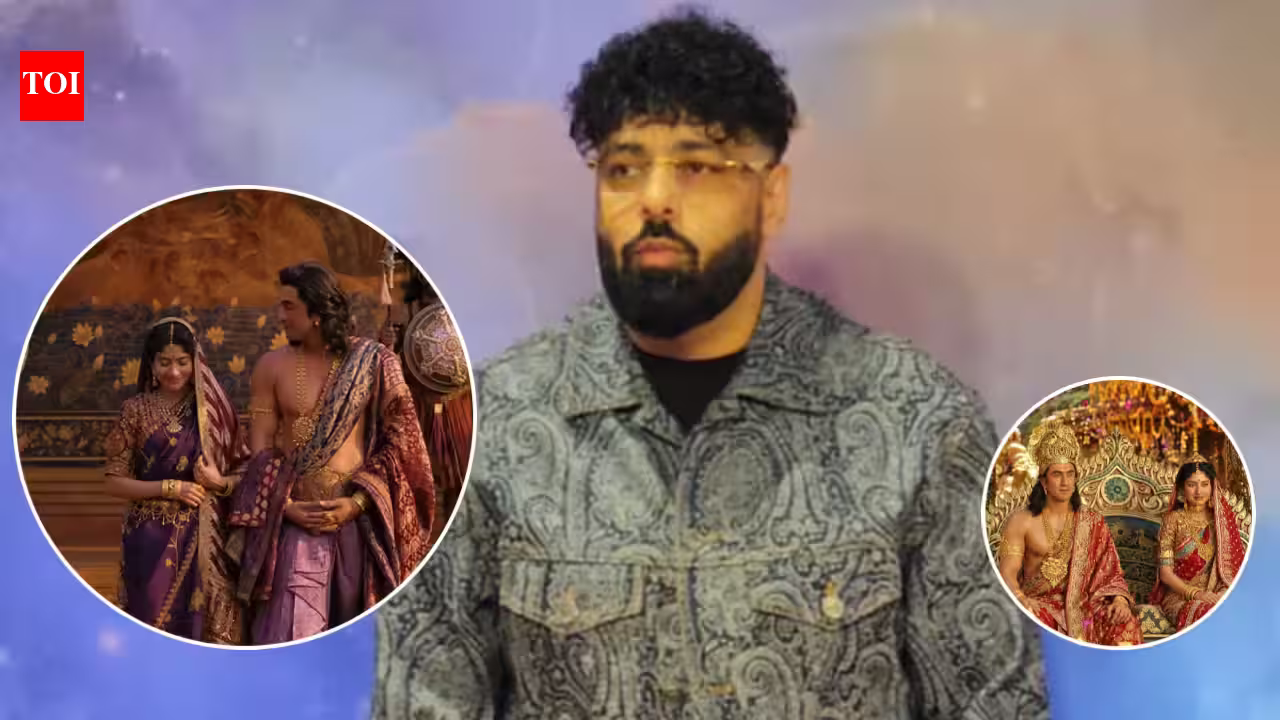
The buzz surrounding Nitesh Tiwari’s Ramayana isn’t purely hype; it is backed by an assembly of talent that borders on the astronomical. Starring Ranbir Kapoor as Lord Rama, the project has already garnered significant attention for its casting choices. The inclusion of Sai Pallavi as Sita and the magnetic Yash—who is moving from the high-octane violence of KGF to the complex, antagonistic role of Ravana—suggests a film that aims for nuance rather than simple caricature.
The ensemble cast reads like a “who’s who” of Indian acting talent. With veterans like Arun Govil stepping into the role of Dasharatha, and powerhouse performers like Lara Dutta (Kaikeyi) and Sunny Deol (Hanuman) rounding out the ranks, the project feels like a deliberate attempt to unify various segments of the Indian film industry. It is not a Bollywood movie; it is an Indian movie, designed to capture the attention of a nation that views these characters as more than just figures on a screen.
A Symphony of International Collaboration
Perhaps the most ambitious aspect of Ramayana lies in its technical and auditory architecture. While India has made great strides in visual effects, the involvement of DNEG—a studio responsible for some of the most complex VFX sequences in modern Hollywood—indicates a desire to avoid the pitfalls of low-budget CGI that have plagued past mythological attempts.
However, it is the music department that has truly set the industry abuzz. The collaboration between the legendary A.R. Rahman and the titanic Hans Zimmer is a masterstroke. For fans of cinema, this meeting of East and West suggests an auditory experience that will likely elevate the film from a standard drama to an immersive, operatic journey. The combination of Rahman’s emotive, melodic sensibilities and Zimmer’s world-shaking soundscapes could provide the emotional backbone that a story of this magnitude requires.
Rishab Shetty’s Own Mythological Journey
While the industry waits with bated breath for the November 5th release of Ramayana, Rishab Shetty remains busy cementing his own legacy within the mythological genre. His upcoming collaboration with Prasanth Varma in Jai Hanuman is perhaps the most highly anticipated project currently in his pipeline.
After Varma’s HanuMan successfully pioneered the “Prasanth Varma Cinematic Universe” (PVCU), the announcement that Shetty would be stepping into the role of Lord Hanuman has been met with wild enthusiasm. Shetty, who has mastered the art of portraying spiritual fervor and visceral energy on screen, seems the natural choice for such a role. Beyond that, he is set to tackle the life of Chhatrapati Shivaji Maharaj in The Pride of Bharat, continuing his pivot toward historical and mythological narratives that celebrate the greatness of India’s past.
The New Era of Indian Myth-Making
The camaraderie shown by the likes of Rishab Shetty and previously, Allu Arjun, signals a healthy new environment in Indian cinema. These artists understand that when one big-budget, culturally significant film succeeds, it opens doors for the rest of the industry. By supporting Ramayana, they aren’t just supporting a competitor; they are supporting the viability of Indian stories on the global stage.
As we count down to the release date, the narrative is clear: Indian cinema is moving into its most ambitious phase yet. Whether it is through the lens of Nitesh Tiwari’s grand production or the gritty, visceral folk-mythology that defines the work of Rishab Shetty, one thing is certain: our ancient stories are finding a brand-new, spectacular voice. And if the current industry support is any indication, the audience is more than ready to listen.
Disclaimer: This content is auto-generated for informational purposes only.
Source: Read Original News