







Environmental Alarms Ring as River Pang Fails Hazardous Substances Test Amidst Restoration Efforts
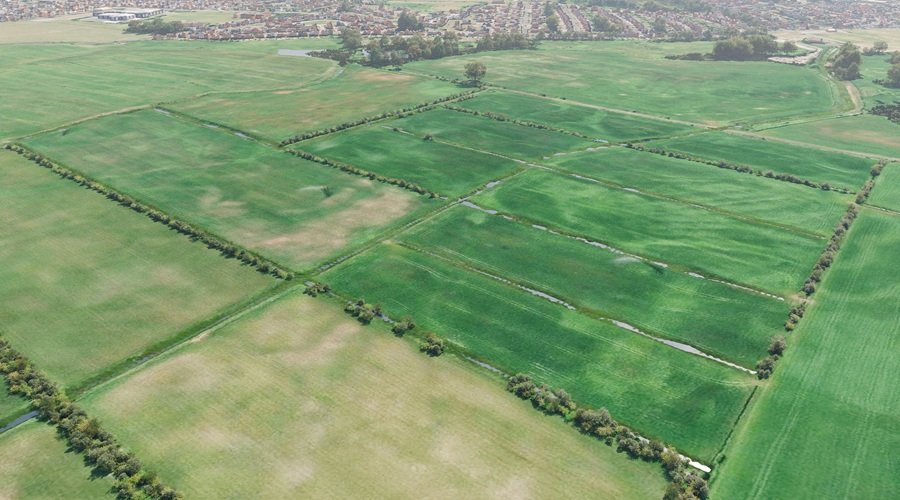
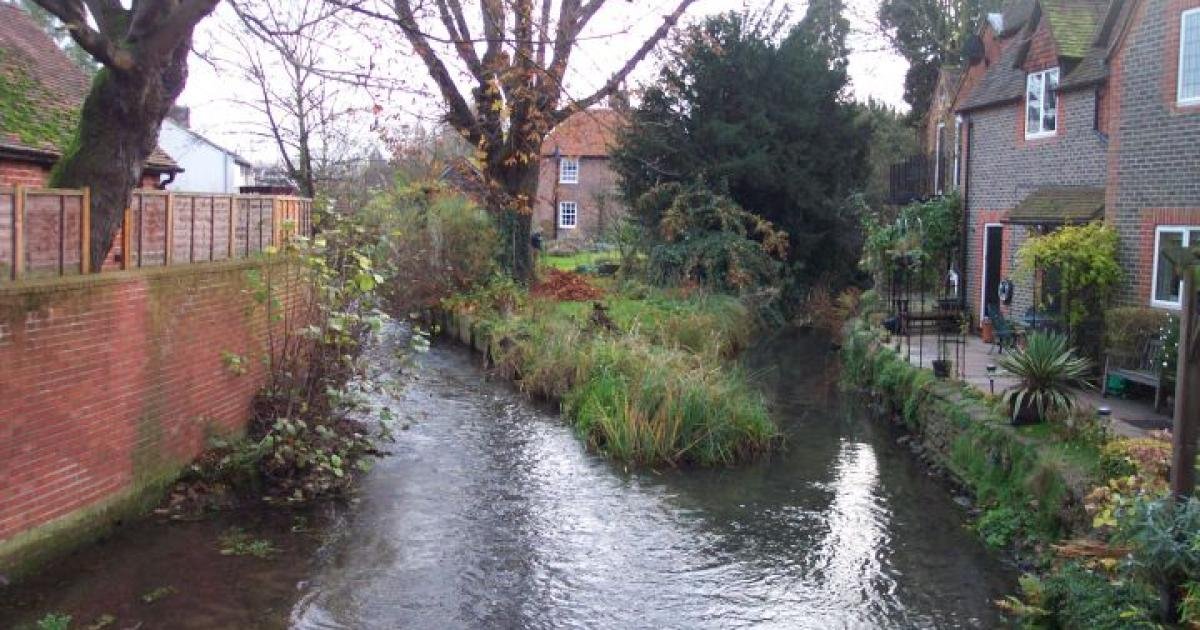
The River Pang, a globally significant chalk stream and the focus of a substantial improvement initiative by Thames Water, has failed a crucial hazardous substances test. The alarming results, released last Thursday, cast a shadow over ongoing conservation efforts and ignited renewed debate regarding water pollution in the UK’s delicate ecosystems.
Thames Water, a key stakeholder in the river’s ecological health, launched the Pang Flagship Chalk Stream Partnership in 2022. This ambitious program outlines restoration plans scheduled to be implemented from 2025 to 2035, with a substantial investment of £875,000. However, the recent test failure raises questions about the immediate challenges facing the river and the efficacy of current strategies.
Chalk streams are considered rare and precious habitats, with an astonishing 85 percent of the world’s 260 known chalk rivers located within the United Kingdom. Their unique geological makeup supports a rich biodiversity that is highly sensitive to environmental changes and pollution. The River Pang’s designation as a “flagship” project underscores its critical importance to the UK’s natural heritage.
Thames Water, in response to the test results, reiterated that river quality is influenced by a multitude of factors beyond their direct control. These include agricultural practices, industrial discharges, urban road runoff, and the increasingly severe impacts of extreme weather events, which can exacerbate pollution through increased surface water runoff and altered flow regimes.
READ MORE: Heat health alert issued for South East as temperatures rise
The news has drawn sharp criticism from environmental campaigners. Ash Smith, a veteran activist who has dedicated a decade to combating waterway pollution in Britain, voiced his dismay to the BBC. “We need a complete overhaul of the way the water industry is allowed to pollute for profit,” Smith asserted, directly challenging the notion that external factors are solely to blame. “I don’t think you can blame the weather for polluting a river, can you? In any respect whatsoever.”
Smith passionately articulated the intrinsic value of healthy waterways: “If you treat it with respect it is healthy, it is beautiful, it will have the plant life that is supported by that type of water and the fish life.” Conversely, he warned of the inevitable consequences of neglect: “But he said if waterways become polluted, ‘you’re going to get the situation you’re in now’.”
The Environment Agency (EA), responsible for the protection and enhancement of the environment in England, acknowledged the severity of the situation. An EA spokesman affirmed their commitment, stating, “Chalk streams such as the River Pang are a valuable natural resource that the Environment Agency is working hard to restore and protect.”
However, the EA also highlighted other significant ecological challenges facing the Pang. They identified “barriers to fish movement” between the River Thames and the Pang as a primary contributor to the declining fish populations in the chalk stream, indicating a complex web of issues impacting the river’s overall health.
The failure of the hazardous substances test underscores the urgent need for a holistic and transparent approach to river management. While long-term restoration plans are crucial, immediate measures to address pollutant sources and robust enforcement against environmental breaches appear increasingly vital to safeguard the future of the River Pang and other precious chalk streams across the UK. The public and environmental watchdogs will undoubtedly be scrutinizing the actions of both water companies and regulatory bodies as this critical situation unfolds.