









Mumtaz: Unfiltered Reflections on Love, Life, and the Enduring Spotlight
Mumbai, India – In an industry often veiled in mystique, veteran actress Mumtaz has once again captivated audiences, this time not with a cinematic performance, but with a remarkably candid glimpse into her personal life. The iconic star, whose dazzling presence once illuminated the silver screen alongside Bollywood legend Shammi Kapoor, recently opened up about a spectrum of experiences – from a youthful romance that almost was, to the enduring complexities of marriage, and the relentless scrutiny of public life.
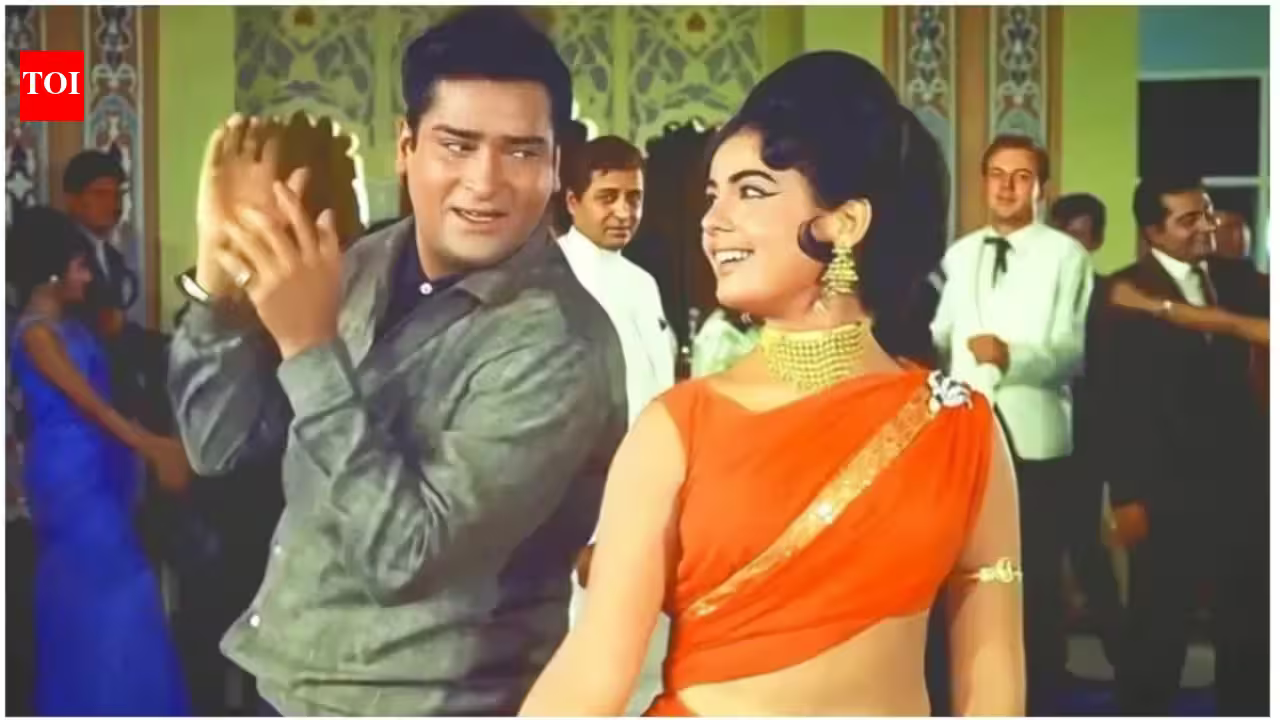
The year 1968 cemented Mumtaz and Shammi Kapoor’s status as a beloved on-screen pair with the evergreen dance number ‘Aaj Kal Tere Mere Pyaar Ke Charche’. Beyond the screen, whispers of a burgeoning off-screen romance between the two captivated fans. Decades later, Mumtaz, now 74, reflects on that formative period with a poignant honesty.
“I loved him tremendously,” she revealed in a recent interview, referring to Shammi Kapoor. “I believe Shammiji also loved me a lot. I felt sad that I couldn’t marry him. I was only around 17. He was 18 years older than me. It was too early for me to get married. I wanted to prove myself. We separated with understanding. He didn’t do anything to leave a khalish (ache) in my heart.”
Mumtaz acknowledged the insurmountable hurdle presented by the Kapoor family’s strict stance on their daughters-in-law not pursuing acting careers. “Honestly, had I got married, it wouldn’t have worked. Because I’d have always held a regret in my heart. I wanted to act. I wanted to achieve something. The Kapoor family was strict about their bahus not working in films.” She expressed admiration for Shammi Kapoor’s eventual wife, Neila Devi, calling her “such a wonderful lady, a beautiful person” who “suited him perfectly and handled him so well.”
Her own journey into matrimony led her to Mayur Madhvani in 1974. Despite his lack of ties to the entertainment world, Madhvani reportedly found adapting to his wife’s glamorous profession challenging. However, Mumtaz shared a deeper connection to her husband’s family, having known them since she was ten. “I knew the Madhvanis since I was 10. I knew the family in and out. I’d even been to Uganda and stayed with them. It was like moving from one home to another,” she explained, emphasizing her commitment to their union. “I didn’t give up on my marriage… Isiliye mera miyan bhi mera hi hai. He loves me so much.”
In a revelation that speaks volumes about their enduring bond, Mumtaz openly discussed an extramarital affair her husband had. “It’s quite common for men to have affairs through the backdoor. My husband didn’t have any… except one. I respect him because he himself told me about it.” She recounted his confession of developing feelings for another woman in the US, but his unwavering declaration, “‘Mumtaz, you’re my wife. I love you and will always love you. I will never leave you.’” She candidly admitted her own “stubborn, a little difficult” nature contributed to the initial strain, but concluded, “today, it’s a forgotten story. Even god forgives ones. I live like a queen. My husband has never kept me wanting for anything.”
In a rare admission, Mumtaz also acknowledged her own brief foray into an extramarital affair, sparked by feelings of loneliness and hurt after her husband’s indiscretion. “When you’re amidst thorns and someone comes along with a rose, you do get carried away. But it was nothing serious. Just a temporary phase, which ended soon.” She expressed immense gratitude for her husband’s continued love, highlighting his devotion even during illness.
Her battle with cancer, a deeply personal and arduous journey, was navigated with the unwavering support of Mayur Madhvani. “Had it not been for my husband, I’d have been dead by now,” she stated, crediting his insistence on further medical checks for saving her life. Recalling the harsh treatments, including six chemotherapies and 35 radiations, she painted a vivid picture of resilience, further emphasizing her husband’s steadfast presence.
Reflecting on her life, Mumtaz harbors few regrets, primarily acknowledging a childhood longing for her absent father after her parents’ divorce. Beyond that, she embraces a philosophy of self-determination: “I’m someone, who went all out to fulfill my dreams. You make your own life.” She poignantly calls God her “boyfriend,” attributing her survival, loving husband, and children to divine grace. “My life’s been an open book. The good and the bad co-exist. Even Shahenshahs don’t get it good all the time.”
Finally, Mumtaz addressed the perennial pressures of body image and beauty standards in the film industry, a topic she navigated throughout her career. “I had a voluptuous figure. I was never too slim. I was heavy everywhere. I had to control my weight. A woman should appear proportionate. I didn’t want to be called fat,” she candidly shared. She also touched upon the harsh realities of public scrutiny, recalling how a picture taken during her cancer treatment, when she was bloated, circulated widely, eliciting critical remarks. As she approaches her 75th birthday, Mumtaz makes a simple yet powerful request to her critics: “When I appear good, please don’t hesitate to say so.”
Mumtaz’s frank and heartfelt revelations offer a rare and valuable perspective from a true icon, reminding us that behind the glamour, lie lives lived with courage, vulnerability, and an enduring spirit.