








Russia and India Solidify Bilateral Trade Ties with Robust Rouble-Rupee Payment System
MOSCOW — Russia and India have successfully established a highly efficient payment infrastructure to facilitate bilateral trade, effectively bypassing traditional currency hurdles that previously hindered economic cooperation. According to senior banking officials, the move toward settling transactions in roubles and rupees now accounts for 96% of all bilateral trade.
The strengthening of these financial ties comes as the two nations navigate an evolving global economic landscape. Ivan Nosov, head of Sberbank in India, hailed the current framework as a model for international cooperation, noting that the logistical challenges that once plagued cross-border settlements have been largely resolved.
“There are no problems with settlements between Russia and India,” Nosov stated on Wednesday. “I am ready to say that this is one of the most reliable and best-established mechanisms for Russia’s payments with other countries.”
A Resilient Trading Partnership
The economic relationship between Moscow and New Delhi has seen a significant transformation since 2022. Driven by India’s increased consumption of discounted Russian oil—a move prompted by Western sanctions—bilateral trade hit a record $70 billion in 2024, effectively tripling in volume since the outbreak of the conflict in Ukraine.
While trade experienced a temporary dip in 2025 as sanctions regimes were tightened, the partnership showed resilience by rebounding strongly in the first half of 2026. This recovery has been supported by a sophisticated network of 22 Russian banks and 17 Indian financial institutions, which are now dedicated to servicing the trade corridor.
Addressing Historical Challenges
For years, Russian exporters expressed concerns regarding the “overhang” of rupees, citing the currency’s partial convertibility and a persistent trade imbalance where Indian exports failed to keep pace with the massive influx of Russian oil imports.
The implementation of the new payment system appears to have mitigated these friction points. Sberbank, Russia’s largest lender, was tasked with spearheading the development of this infrastructure. According to the bank, the results have been swift: 90% of all bilateral transactions are now processed within 10 minutes, with over half of all payments clearing in less than a minute.
High-Level Endorsement
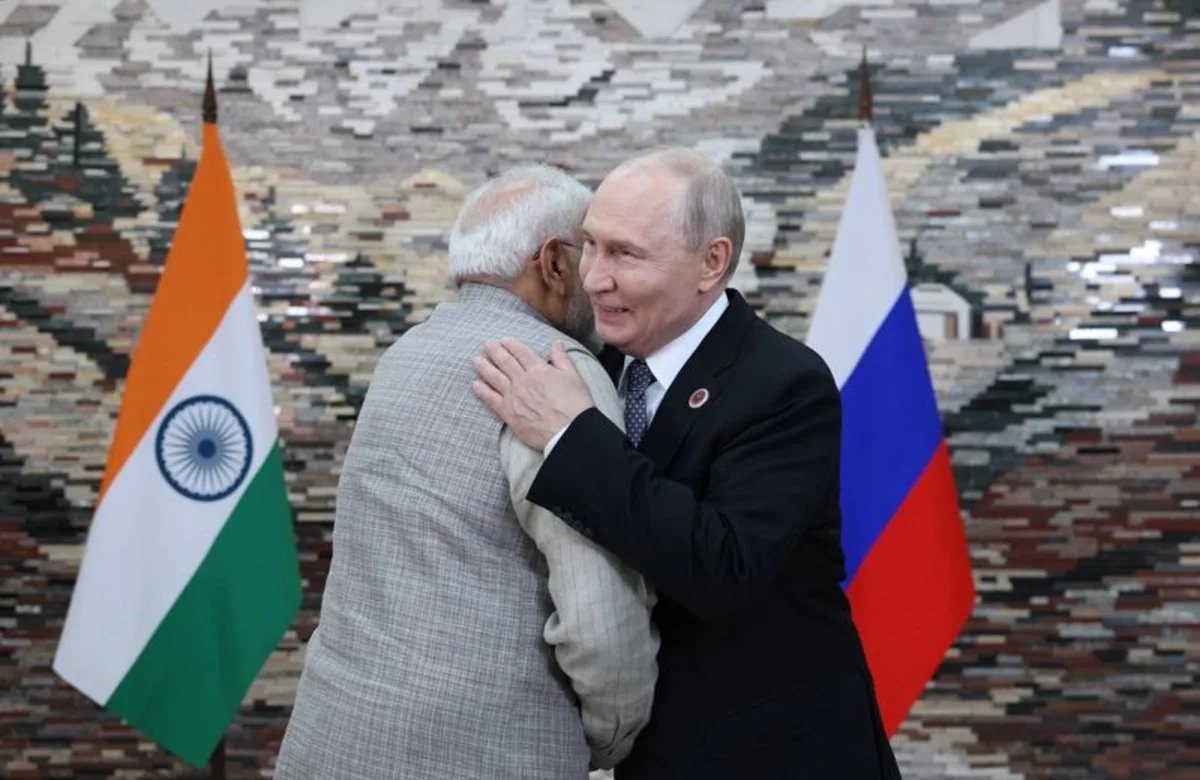
The commitment to this financial integration was underscored by political leadership this week. During a meeting on Monday, Indian Prime Minister Narendra Modi and Russian President Vladimir Putin praised the deepening economic ties between their nations.
As geopolitical shifts continue to influence global commerce, the successful integration of the rouble and rupee into the mainstream of Russia-India trade serves as a significant case study in how emerging economies are leveraging payments infrastructure to sustain vital trade relationships, even in the face of international regulatory pressure.