








The Linguistic Tightrope: Sanjay Dutt’s Dahi Handi Faux Pas
In the high-octane atmosphere of a Thane Dahi Handi event, where human pyramids reach for the sky and the air is thick with festive fervor, words carry a different weight. For Bollywood superstar Sanjay Dutt, a lighthearted moment on stage recently spiraled into a PR headache, forcing the actor into a delicate dance of damage control. What began as a casual aside has reignited the perennial, often volatile debate over linguistic identity in Maharashtra, proving once again that in the world of public figures, a joke can quickly become a political liability.
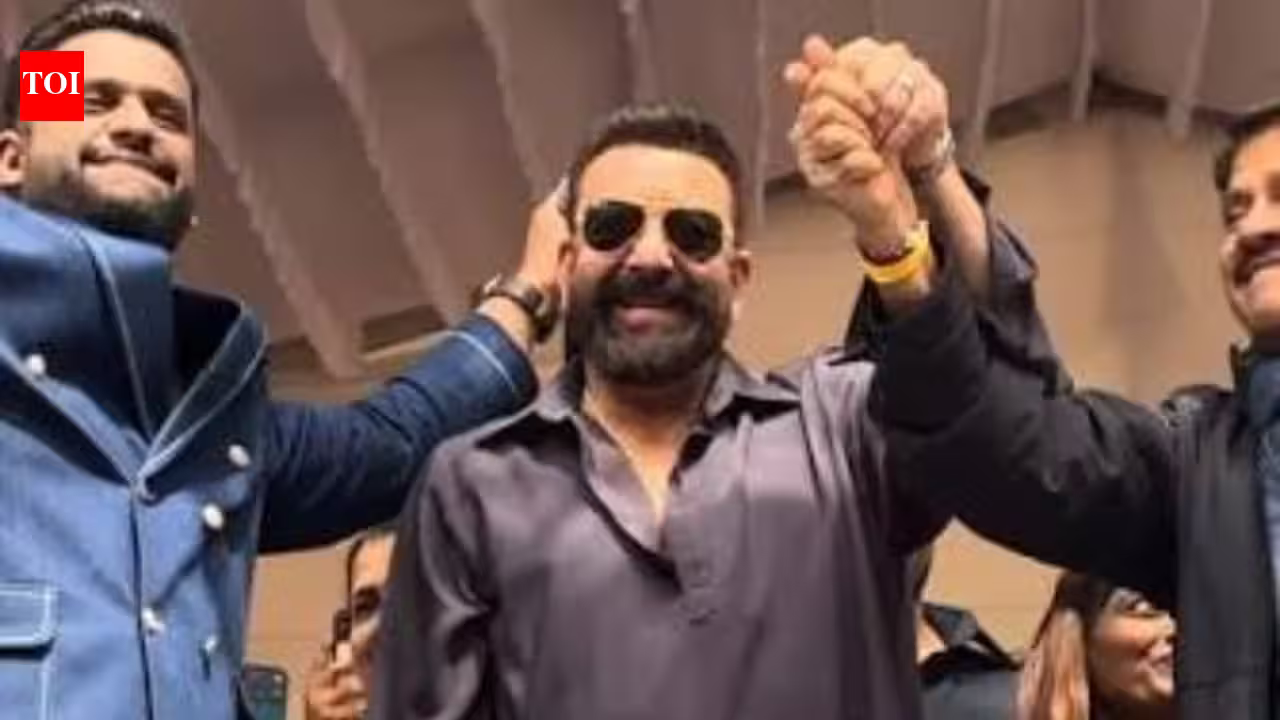
The controversy was sparked during an interaction with Maharashtra Transport Minister Pratap Sarnaik at his flagship Dahi Handi celebration. Amidst the cheers of the crowd and the presence of other heavy hitters like Suniel Shetty and cricketer Suryakumar Yadav, Dutt took the microphone and made a candid admission. He remarked that despite spending a significant six-year stretch in Pune’s Yerawada jail, he had failed to pick up the Marathi language. In most contexts, this would be filed away as a self-deprecating anecdote about the monotony of incarceration. In the charged political climate of Mumbai, however, it landed with a thud.
The Twitter Tussle: When Jokes Meet Identity Politics
The reaction on social media was instantaneous and predictable. Critics viewed the statement as a dismissive jab at the state’s cultural backbone, while supporters of the actor argued that the backlash was a classic case of mountains being made out of molehills. The discourse quickly devolved into a broader debate: is it a moral failing for an actor who has built his career in Mumbai to be linguistically detached from the local tongue?
More pointedly, the incident resurrected the old “insider vs. outsider” trope that has long haunted the city’s social fabric. Some commentators on digital platforms didn’t stop at criticizing Dutt; they weaponized his comment to question why the expectation of fluency is often applied unevenly—demanding local language proficiency from working-class migrants like autorickshaw and taxi drivers, while giving a pass to the elite. The Dahi Handi stage, usually a symbol of unity and religious fervor, momentarily became a proxy battleground for these deeper social anxieties.
Damage Control: The “Jai Maharashtra” Pivot
Recognizing the ripple effect his words were creating, Dutt opted for direct engagement rather than staying silent. On Thursday, he initiated a phone call to Pratap Sarnaik to clear the air. The choice of the Minister was strategic; Sarnaik’s proximity to the heart of Shiv Sena politics makes him an influential voice in these matters.
According to reports, the conversation was marked by a conciliatory tone from the get-go. Dutt opened the call with a deliberate “Jai Maharashtra,” signaling his deep-seated respect for the state. He clarified to Sarnaik that his on-stage comment was never intended as a slight against the language or the people of Maharashtra. Instead, he framed it as a “joke”—a clumsy attempt to characterize his time behind bars.
The actor was quick to highlight his own credentials as a “Mumbaikar.” He emphasized his lifelong connection to the city, his upbringing in the state, and the sheer volume of love and success that Maharashtra has bestowed upon his family. By framing himself as a product of the state rather than a guest, he effectively sought to insulate himself from the “outsider” label that often spells doom for public reputations in local political spheres.
The Bal Thackeray Connection: A Strategic Memory
Perhaps the most significant part of Dutt’s outreach was his emotional pivot toward the late Shiv Sena founder, Bal Thackeray. In a move that carried heavy political signaling, Dutt expressed his enduring gratitude to the Sena patriarch. He reminded Sarnaik—and by extension, the party’s base—of how Thackeray had stood by the Dutt family during their most harrowing years of legal battles and personal crisis.
By invoking the name of the man who arguably did the most to shape the identity of modern, Marathi-centric Mumbai, Dutt was doing more than just being polite. He was anchoring himself in the foundational history of the state’s political right wing. It was a tactical reminder: I am one of yours. By emphasizing this historical bond, Dutt effectively shifted the narrative from one of linguistic negligence to one of enduring loyalty.
Lessons from the Limelight
This incident serves as a stark reminder of the fragile tightrope celebrities walk in India’s regionalized political landscape. The entertainment industry and the political establishment are inextricably linked, especially in a city like Mumbai. For stars who rely on mass popularity, one ill-timed sentence regarding language, culture, or regional identity can alienate entire demographics in a heartbeat.
Dutt’s swift response—the phone call, the “Jai Maharashtra” opener, and the homage to Thackeray—demonstrates a seasoned understanding of how to manage public perception in the 21st century. It wasn’t just an apology; it was a restatement of identity. As the noise around the Dahi Handi comment settles, the incident will likely be remembered as a masterclass in swift crisis resolution. However, it also leaves behind a lingering question for all public figures: in an increasingly polarized world, is there still room for a casual joke, or has the stage become so sensitive that every word must now be scripted and sanitized?
For now, Sanjay Dutt remains in the good graces of those he sought to appease, proving that in the theater of Maharashtra politics, a well-placed phone call and a nod to the right history can dissolve almost any controversy.
Disclaimer: This content is auto-generated for informational purposes only.
Source: Read Original News