









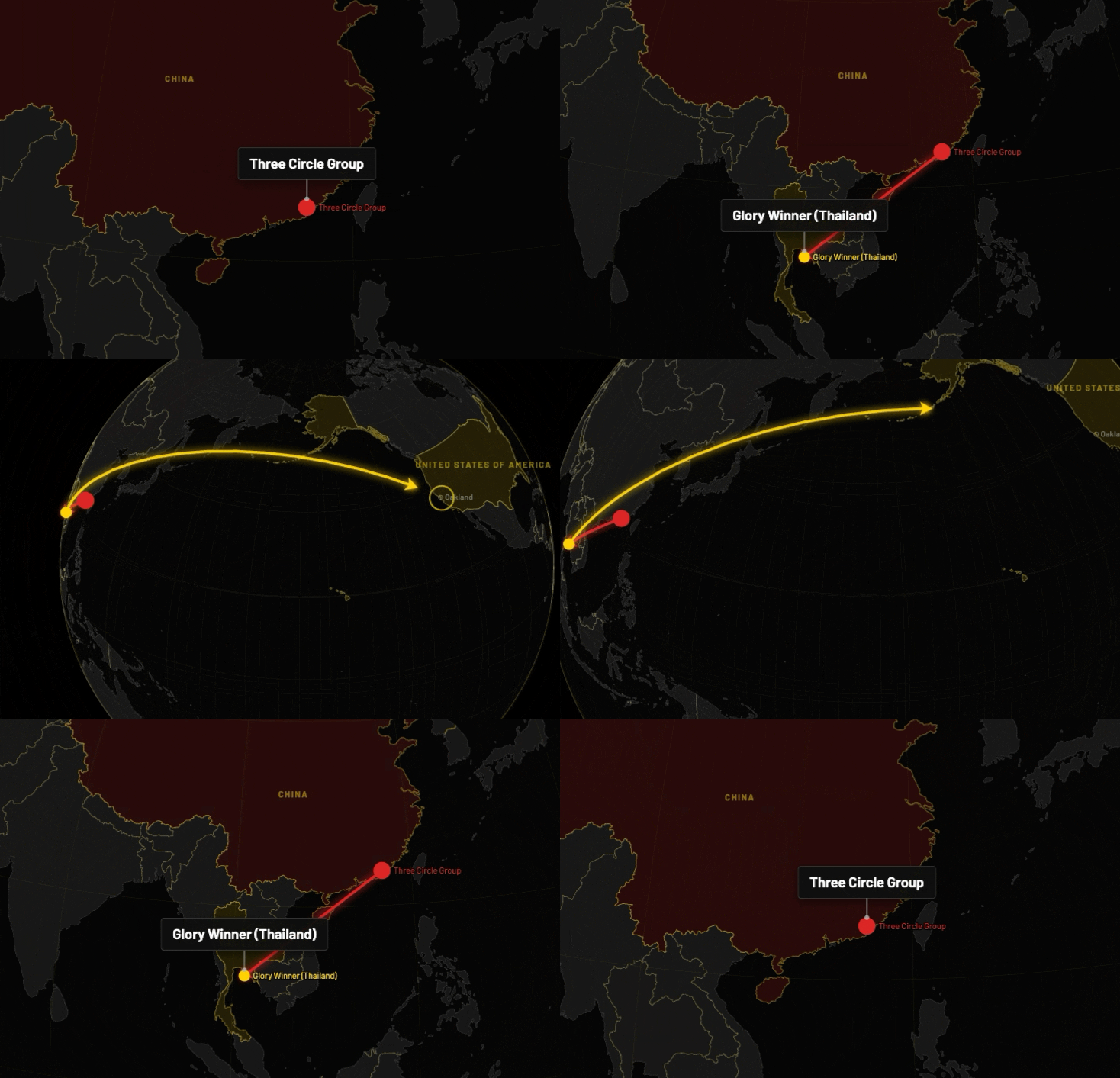
SAN JOSE, Calif. — Bloom Energy (NYSE: BE), a leading provider of solid oxide fuel cell technology, finds itself at the center of a brewing controversy as new trade data contradicts the company’s recent assertions regarding its supply chain independence. Despite public declarations that the firm has successfully insulated its critical manufacturing processes from Chinese reliance, internal trade records suggest a continued, if not increasing, dependency on scandium-based components linked to Chinese markets.
Scandium, a rare-earth element often referred to as a “super-material,” is essential for the high-performance electrolyzers and fuel cells that serve as the backbone of Bloom Energy’s power systems. Because scandium is notoriously difficult to source outside of China—which currently controls the vast majority of the global supply and refining infrastructure—geopolitical analysts have long warned that reliance on the metal poses a significant national security and operational risk for U.S. clean-tech firms.
In a recent investor briefing, Bloom Energy leadership emphasized a strategic shift toward domestic and diversified sourcing, explicitly downplaying concerns that their proprietary solid oxide cell production remained tethered to Chinese exports. However, granular trade data reviewed this week reveals that shipments of specialized metal alloys and scandium-doped materials—crucial precursors for Bloom’s stacks—have resumed flowing through intermediaries with deep ties to Chinese state-run refineries.
The findings have sparked immediate scrutiny from industry analysts and trade hawks alike. “The transparency gap here is concerning,” says Marcus Thorne, a senior energy policy researcher. “When a company claims ‘de-risking’ while the shipping manifests tell a different story, it creates a massive credibility crisis. Investors are looking for long-term sustainability, and if your primary component supplier is under the thumb of a geopolitical rival, that is not a stable business model.”
The disconnect appears to stem from a complex web of “transshipment” routes. According to customs documents, while the raw components may be routed through third-party nations, the chemical composition and sourcing origins consistently trace back to facilities operating under Chinese regulatory frameworks. By utilizing these secondary routes, suppliers appear to be circumventing the spirit of recent U.S. efforts to onshore clean energy supply chains.
When presented with the data, a spokesperson for Bloom Energy declined to comment on specific shipping manifests but reiterated the company’s commitment to “a robust, global supply chain that meets the highest standards of resilience.” The company maintained that its procurement strategy is evolving and that it remains focused on scaling production to meet surging demand for carbon-neutral power.
As the energy sector faces mounting pressure from Washington to decouple from foreign adversaries, Bloom’s reliance on these materials may become a focal point for lawmakers. With the next quarterly earnings report approaching, shareholders are expected to demand more rigorous verification of the company’s supply chain claims, fearing that any abrupt shift in trade policy could leave the company’s high-tech manufacturing vulnerable to sudden export bans or supply shocks.
Disclaimer: This content is auto-generated for informational purposes only.
Source: Read Original News