






Pollution Alarm: Investigation Launched Following Massive E. Coli Spike in Local Harbour
Local authorities in Bournemouth, Christchurch, and Poole have scheduled an urgent public meeting following a staggering surge in bacterial levels that has sparked significant health concerns among residents and harbour users.
The alarm was raised after independent monitoring revealed a dramatic escalation in water contamination. According to data provided by local advocates, bacterial counts in the area typically hover between 1,000 and 5,000 colony-forming units (cfu) per 100ml. However, the situation took a drastic turn just over a week ago.
“After 1,000, it starts to get serious and, over the last few weeks, it’s been between 1,000 and 5,000,” explained one monitor. “Then, suddenly, 10 days ago, it blipped and it was well over 100,000.”
While the extreme peak has since subsided, the latest figures show that the water remains heavily contaminated, with readings still exceeding 10,000 E. coli cfu/100ml. These levels have coincided with reports from the local community regarding “horrible smells” emanating from the harbour, prompting widespread calls for action.
The council has moved to facilitate a dialogue between stakeholders, residents, and environmental regulators to address the crisis. Councillor Andy Hadley, who holds the environment portfolio, noted that the high readings only served to confirm pre-existing fears regarding water quality in the area.
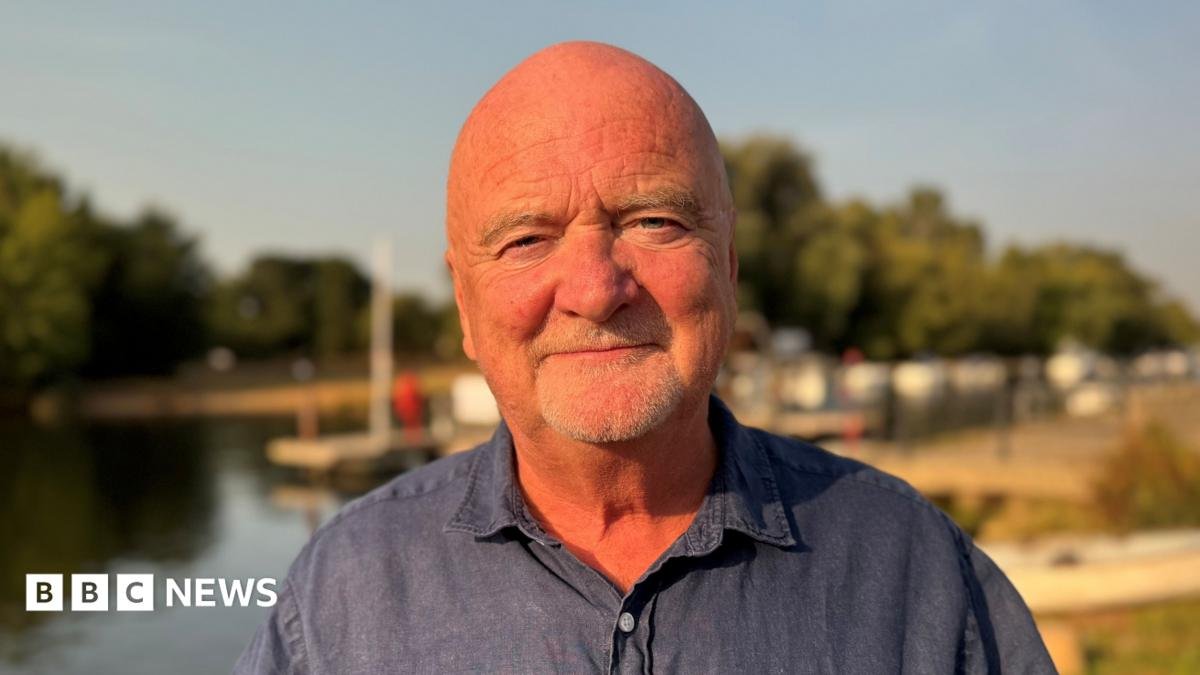
“Before this incident, before Martin came up with these very high readings, we were already concerned,” Hadley stated. “We don’t have jurisdiction over it and that’s why we’ve called this meeting to bring all these parties together.”
The public meeting, scheduled for Tuesday, aims to address the ongoing pollution concerns and determine who bears responsibility for the management and oversight of the harbour’s water quality. As residents await answers, the focus remains on identifying the source of the contamination and mitigating the risks posed to the public and the local ecosystem.