





BRUSSELS — A major political and economic shift is underway across the European continent today as a series of high-stakes developments in Brussels and beyond threaten to reshape the landscape of international relations and market stability.
The European Union has entered a critical phase of negotiations this morning, with top officials meeting in Brussels to address a trifecta of pressing challenges: soaring energy costs, the fragile state of the bloc’s collective security infrastructure, and ongoing tensions regarding trade regulations with global partners. While the specifics of the closed-door meetings remain tightly held, leaked briefing notes suggest that member states are nearing a compromise on a long-awaited framework for industrial revitalization.
“We are at a crossroads,” an official close to the European Commission stated earlier today. “The decisions made in this building over the next forty-eight hours will define the economic trajectory of the Union for the remainder of the decade. We are no longer just reacting to crises; we are attempting to architect a more resilient future.”
The news follows a turbulent night in global markets, where investors responded to the European Central Bank’s latest signal regarding interest rate adjustments. Despite growing pressures from labor unions and small business advocacy groups to provide immediate relief, the ECB has maintained a hawkish stance, citing the persistent, albeit cooling, nature of inflation. Market volatility is expected to continue as traders digest the implications for currency valuation and corporate borrowing costs.
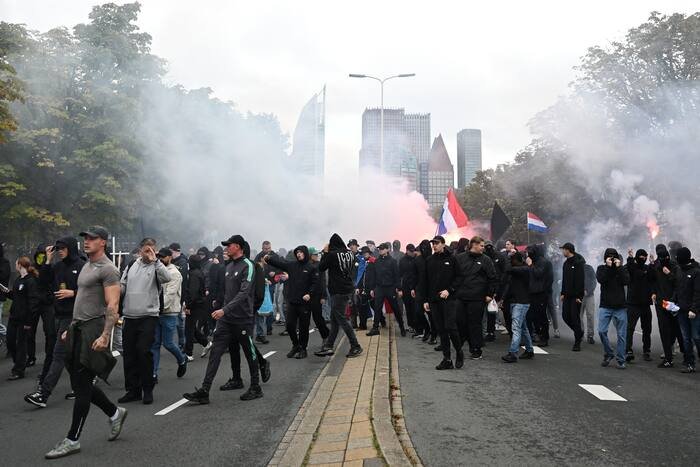
Beyond the halls of power, the cultural and social fabric of Europe is also feeling the ripple effects of these fast-moving events. In Paris, thousands have gathered in peaceful protest, calling for a greater focus on climate-conscious economic policies. The protests, which began at dawn, underscore a growing disconnect between political maneuvering in Brussels and the day-to-day priorities of the European citizenry. Civil society groups have warned that if the gap between legislative action and public sentiment continues to widen, the political fallout could be severe in upcoming regional elections.
Meanwhile, in the sphere of international diplomacy, the European perspective on the unfolding situation in Eastern Europe remains a focal point. New reports indicate that EU foreign ministers are coordinating a unified response to recent geopolitical provocations, aiming to demonstrate strategic autonomy while maintaining the integrity of key military alliances.
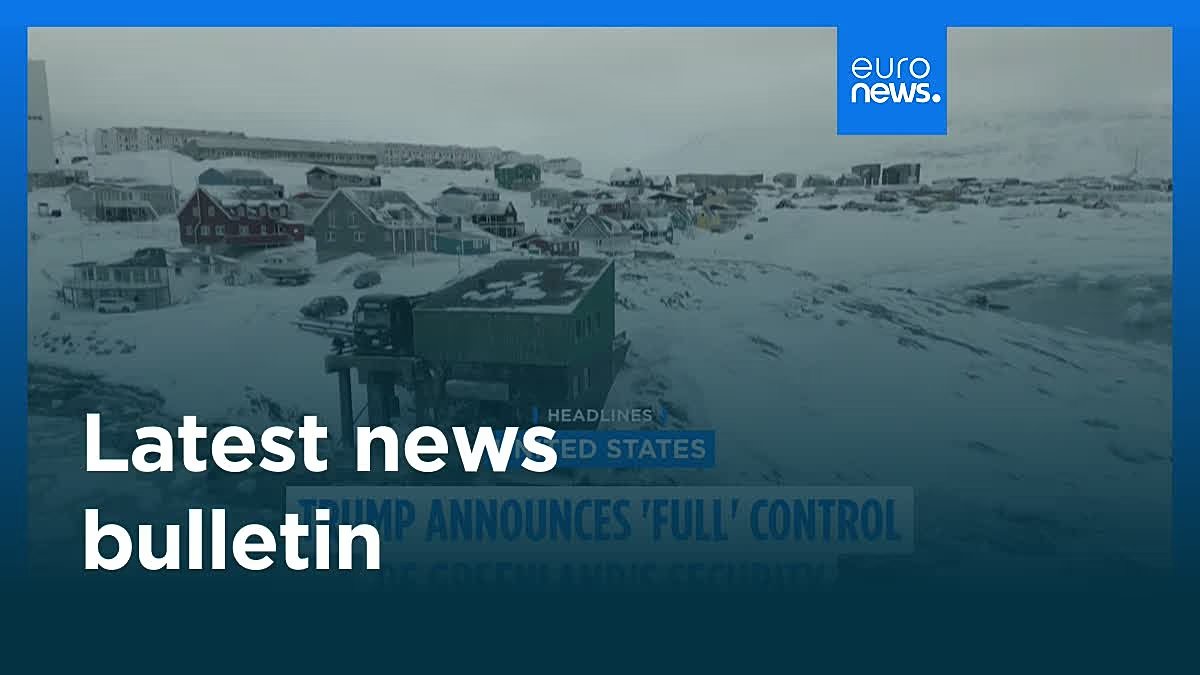
As this fast-moving day progresses, the Euronews newsroom continues to monitor these developments. Whether it is the impact on your household finances, the stability of travel corridors, or the long-term strategic shifts in global governance, the context you need is being updated in real-time.
Stay tuned as we provide further analysis on how these stories are shaping our world. From the corridors of power in Brussels to the streets of our major cities, we provide the independent, reliable perspective required to make sense of the news as it breaks.
Disclaimer: This content is auto-generated for informational purposes only.
Source: Read Original News