

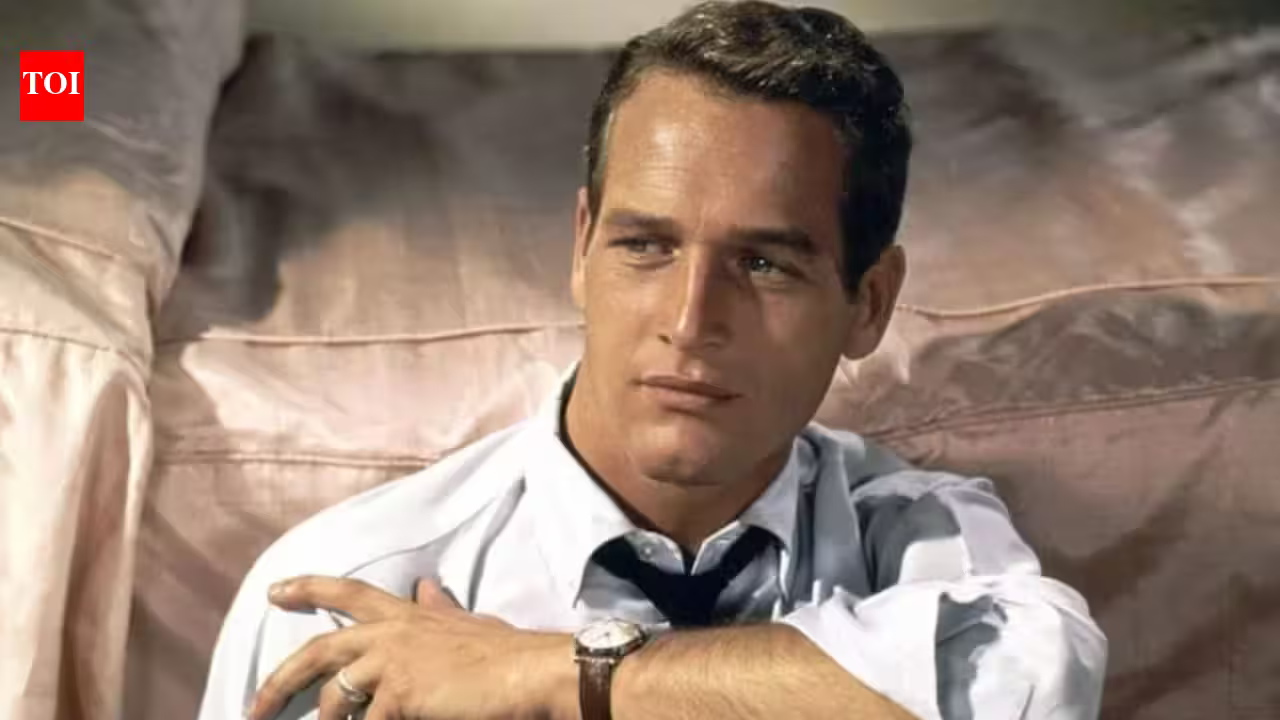






In the golden age of Hollywood, icons were often defined by their magnetism on screen and their distance from the public off it. Paul Newman, however, was a different breed of star. While he commanded the silver screen with those piercing blue eyes in classics like The Hustler and Butch Cassidy and the Sundance Kid, his true impact was frequently found far away from the klieg lights of soundstages. For the residents of Westport, Connecticut, Newman wasn’t just a movie star; he was a neighbor with a quiet, persistent vision for the land he called home.
Long before “eco-conscious” became a corporate buzzword, Newman and his wife, the legendary actress Joanne Woodward, were already quietly working to secure the natural heritage of their community. Their most enduring gift to the town didn’t come in the form of a film performance or a gala appearance, but in a sprawling, 39-acre testament to conservation that remains a lush sanctuary to this day.
A Gift Born from Preservation, Not Profit
The story of the Newman-Poses Nature Preserve began in 1997, a time when suburban sprawl threatened to swallow the quiet, forested pockets of Connecticut. For many celebrities, land adjacent to their estate is an opportunity for expansion or a buffer for privacy. For Newman and Woodward, it was an opportunity for protection.
In a move that caught many by surprise, the couple donated 7.5 acres of their own private land directly to the Town of Westport. It was a strategic, selfless maneuver designed to stall the encroaching tide of residential development. But they didn’t stop there. Recognizing that a small parcel alone wouldn’t hold back the bulldozer, the Newmans helped catalyze a larger regional effort.
The town, working in tandem with the spirit of the project, purchased an additional 30 acres from the family of Lillian Poses—a woman as formidable in her own right as her famous neighbors. Poses, who had served as a high-ranking attorney in the administration of Franklin D. Roosevelt, shared the Newmans’ desire to keep the land wild. When combined with an additional 8-acre donation from the Newmans, the project blossomed into a significant, contiguous landscape.
The Long Road to Preservation
If Newman had a flaw, it was perhaps a touch of impatience for the bureaucracy of public land management, though he remained profoundly committed to the outcome. The journey from that initial donation in 1997 to the official ribbon-cutting was a 14-year odyssey.
Newman invested not just his reputation and his land, but his own financial resources into the project. He was a vocal, active patron of the Aspetuck Land Trust, a local organization that serves as the guardian of open spaces across Fairfield County. According to those who worked with him, Newman wasn’t a “name on a letterhead” donor; he was a man who understood the ecological stakes of the Trout Brook Valley area and the necessity of shielding it from commercial interests.
Sadly, the man who dreamed of walking through the quiet trails of the sanctuary would not live to see its completion. When Paul Newman passed away in 2008 following a battle with lung cancer, the project was still in the works. The transition from a private dream to a public park required a final push from the people who knew his vision best: his family.
The Family Legacy and the Birth of a Sanctuary
Following his passing, Newman’s daughters stepped into the fold to ensure their father’s intent was fully realized. They worked closely with the Aspetuck Land Trust to navigate the final municipal hurdles. By 2010, the town had officially christened the space the “Newman-Poses Nature Preserve,” a name that elegantly honors the partnership between the acting legends and the Poses family.
When the gates officially swung open to the public on May 1, 2011, it served as a poignant reminder of the type of man Newman really was. In an industry defined by fleeting celebrity, he chose to invest in something that would outlast him by generations. The preserve now features a diverse ecosystem of meadows, dense woodlands, and vital wetlands that hug the Aspetuck River, providing a rare slice of wilderness in the heart of a highly developed region.
More Than Just a Landmark: A Modern Sanctuary
The Newman-Poses Nature Preserve stands today as more than just a monument to a famous name. It is a fully functional recreational asset that mirrors the grounded nature of the man who helped create it. Unlike restricted, manicured gardens, the preserve offers a raw, authentic experience of New England nature.
Visitors can hike the winding trails, observe local wildlife, or sit by the riverbank—activities that reflect the simple, unpretentious joys Newman himself often championed. The management, handled with meticulous care by the Aspetuck Land Trust, ensures the land remains protected while keeping it accessible to the public. It isn’t a shrine to an actor; it is a living, breathing gift to the citizens of Westport.
Why Newman’s Quiet Activism Still Matters
In today’s media landscape, where celebrity philanthropy is often shouted from the rooftops, Newman’s approach feels like a relic of a more thoughtful era. He didn’t seek the spotlight for his conservation efforts; he sought results. His work in Westport proves that true influence often lies in what you give back to the soil you stand on.
Paul Newman’s filmography—The Color of Money, Cool Hand Luke, Cat on a Hot Tin Roof—will always be the primary reason we remember his name. But for those who take a walk through the woods at the Newman-Poses Nature Preserve, the actor’s legacy is something you can feel under your boots and smell in the air. He understood that the best way to be remembered wasn’t just through a screen, but through the enduring, vibrant, and wild spaces we leave for those who come after us.
Disclaimer: This content is auto-generated for informational purposes only.
Source: Read Original News