







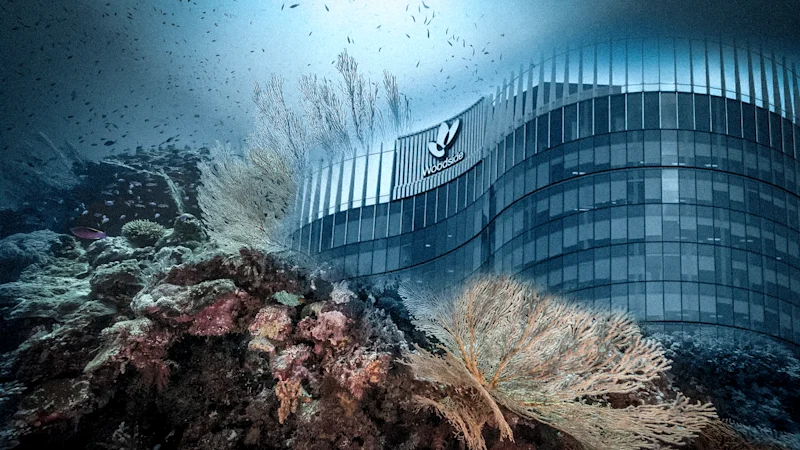
Western Australia’s environmental watchdog has warned that Woodside Energy’s controversial proposal to drill for gas off the North West Shelf poses a threat of “serious or irreversible damage” to some of the state’s most ecologically sensitive marine environments.
New documents obtained by the online publication Boiling Cold reveal a 2023 draft letter from the Environmental Protection Authority (EPA) that delivered a scathing assessment of the company’s Browse project. Located 300 kilometres off the Kimberley coast, the project involves drilling up to 50 new gas wells near Scott Reef and constructing a 900-kilometre underwater pipeline to transport gas to Woodside’s North West Shelf facility near Karratha.
In the letter, authored by then-EPA chairman Matthew Tonts, the regulator expressed deep concern regarding the project’s impact on Scott Reef, the Rowley Shoals, and the surrounding marine ecosystems. Tonts noted a lack of scientific certainty regarding the scope of potential damage and explicitly stated that the environmental protection measures proposed by Woodside were inadequate.
“The EPA does not consider the measures you have proposed are proportionate to the risk of serious or irreversible harm to Scott Reef, Rowley Shoals and the surrounding marine environments from unplanned hydrocarbon release and other cumulative and holistic impacts,” the letter stated.
The regulator further cautioned that while the likelihood of an unplanned release of hydrocarbons was assessed as low, the consequences of such an event could be “catastrophic.” The EPA highlighted that the potential impacts on iconic species, including green sea turtles and pygmy blue whales, had not been addressed with “contemporary world’s best practice measures.”
The release of these documents has intensified scrutiny on the project as it moves through its final federal assessment stages. Environment Minister Murray Watt is currently weighing the fate of the development, a decision that environmental groups argue must align with the EPA’s warnings.
Piper Rollins, a climate and energy campaigner for the Australian Conservation Foundation, stated that the project could not proceed without risking grave damage to the Kimberley marine environment. Similarly, Matt Roberts, executive director of the Conservation Council WA, urged both state and federal governments to “heed the dire warnings” contained in the correspondence. He noted that the EPA had even employed independent experts to peer-review Woodside’s claims, which the company had used to dismiss potential risks to threatened species.
Western Australian Premier Roger Cook defended the timeline of the assessment, noting that the letter was written in 2023 and that the project has since undergone significant scrutiny. “My concern is that we get the balance right—that the economy remains strong, creating great WA jobs, and that at the same time we don’t do so in a way which has too significant a negative impact on the environment,” Cook said.
Woodside has countered the criticism by asserting that the 2023 document does not reflect the current status of the proposal. A spokesperson for the company stated that significant changes have been made to the project since the EPA’s initial correspondence, citing public consultation, technical reviews, and amended plans submitted as recently as August 2025.
“Woodside as operator of the Browse Joint Venture has made clear commitments, informed by credible science, that are designed to manage and minimise potential impacts, with clear objectives and controls,” the company said, confirming that the project remains subject to ongoing, transparent assessment by both state and commonwealth regulators.
Disclaimer: This content is auto-generated for informational purposes only.
Source: Read Original News