







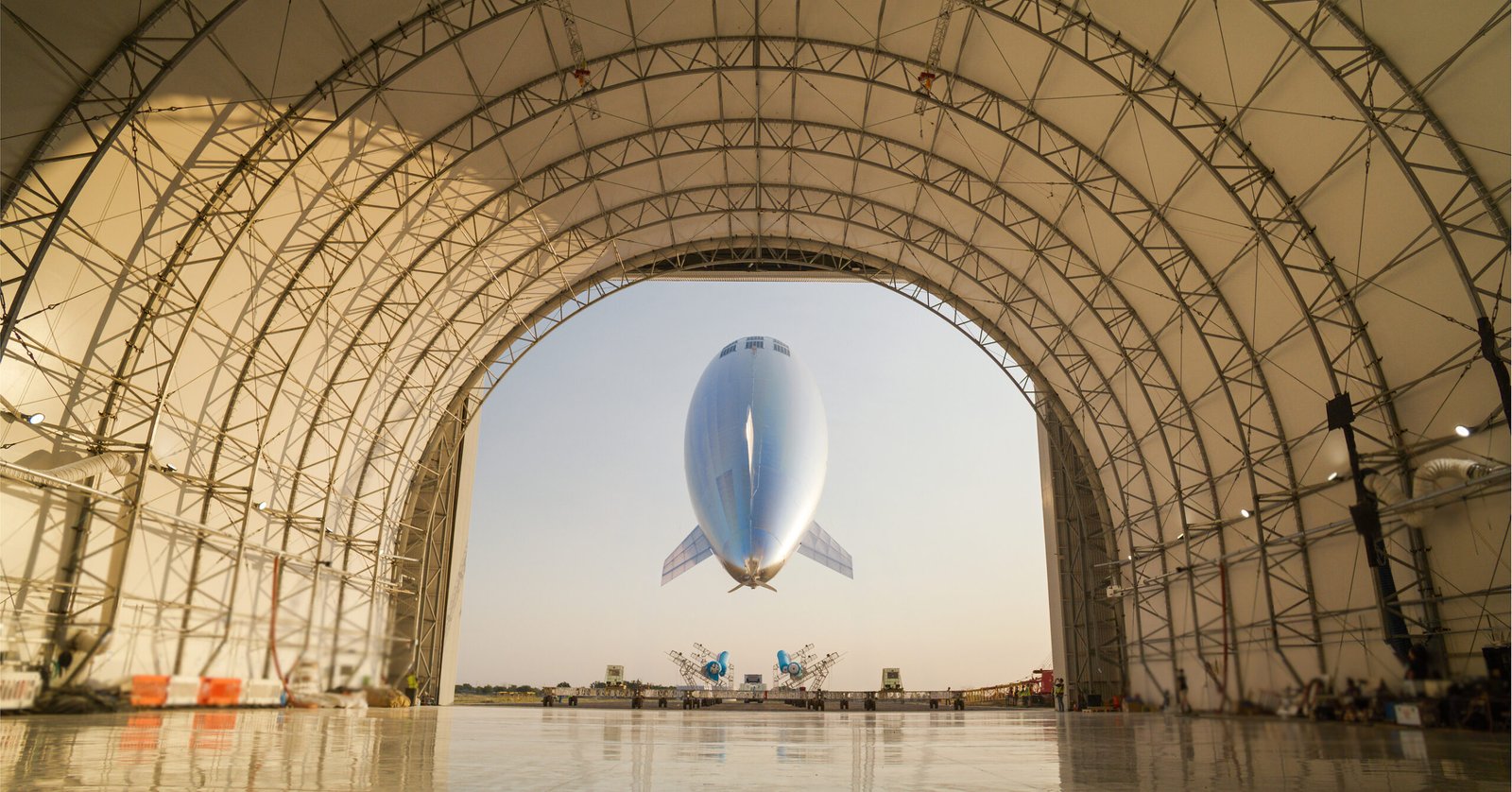
MORIARTY, New Mexico – A transformative era for global telecommunications arrived on September 5, 2026, as Sceye’s ST1 stratospheric vehicle safely returned to its headquarters in New Mexico, concluding a historic 30,000-kilometer journey. The flight, conducted in partnership with SoftBank Corp., marks a definitive leap toward the commercial deployment of High-Altitude Platform Systems (HAPS) as a core pillar of modern digital infrastructure.
The mission saw the ST1 traverse the globe, operating for over a week within Japanese-managed airspace. During this time, the platform maintained an altitude of 16.5 to 17 kilometers, successfully executing a wide array of tasks that mimic—and in some cases outperform—traditional ground-based cell towers. The ST1 served as a “cell tower in the sky,” utilizing SceyeCELL technology to deliver mobile broadband, including voice, text, internet access, and video streaming, directly to standard mobile devices.
“Groundbreaking and historic only begin to describe our ST1 flight,” said Mikkel Vestergaard Frandsen, Founder and CEO of Sceye. “This mission proved not only that our technology and infrastructure are ready for connectivity services, but also that the stratosphere is where the future of non-terrestrial infrastructure lies. The stratosphere is what will enable the always-on future, including the promised land of 6G.”
The ST1’s capabilities were put to the test through a series of demanding trials. By integrating a mobile core network and web server directly onto the HAPS, Sceye and SoftBank achieved an average round-trip response time of just 68 milliseconds. This represents a 40% reduction in latency compared to traditional cloud-based processing. Such performance proves that HAPS can function as a powerful, localized computing hub, capable of delivering high-speed connectivity while significantly reducing radio interference with terrestrial base stations.
The platform’s potential for public safety was also validated. During the mission, the team tested emergency alert messaging systems designed for large-scale disaster responses, as well as high-precision communication with drones. Because a single Sceye HAPS is designed to cover the same area as approximately 500 terrestrial towers, the system offers an unprecedented solution for connecting remote areas and ensuring communication remains active during ground-based infrastructure failures.
Operating as a “geostationary satellite” just 1,800 times closer to Earth, the HAPS platform provides the high-capacity benefits of terrestrial networks with the wide-area reach of orbital technology, all at a fraction of the cost.
Following the successful demonstration of its endurance and station-keeping—which saw the vessel remain within a 5-kilometer radius of its target location over Japan—the ST1 returned home for a planned termination and descent. With the completion of this first flight in its Service Test Program, Sceye has signaled that the future of global connectivity may no longer rely solely on cables and towers, but on the untapped potential of the stratosphere.
Disclaimer: This content is auto-generated for informational purposes only.
Source: Read Original News