







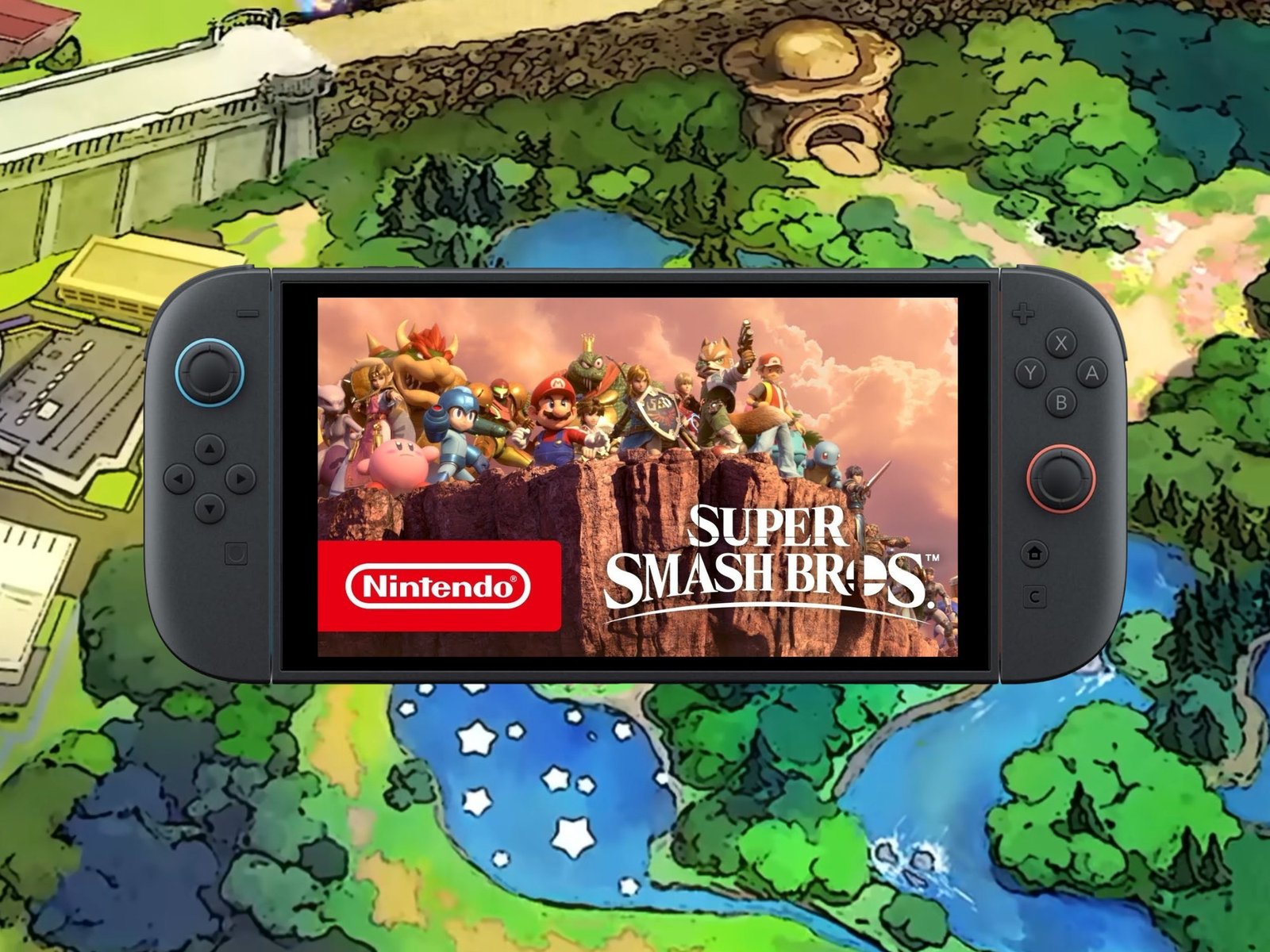
The gaming industry is bracing for a significant shift as Nintendo prepares for its upcoming dual-day Direct event, scheduled for September 8th and 9th. While initial speculation centered on the high-profile remake of The Legend of Zelda: Ocarina of Time, recent reports from industry observers suggest that the company is planning to expand its footprint on the Switch 2 platform with several major first-party titles. Among the most anticipated, yet highly debated, prospects is a successor to the massive success of Super Smash Bros. Ultimate.
Emerging Sources and Credibility
The narrative regarding these upcoming announcements originated from a source identified as malo392. While not a household name in industry circles, this individual established a reputation for accuracy starting in March 2026. By successfully disclosing the development of the Ocarina of Time remake and a fresh entry in the Star Fox franchise before more established analysts like NateTheHate, the source has gained traction within enthusiast communities.
The latest commentary from this source suggests a departure from the idea of a simple port or enhancement of the existing Smash title. When questioned about a potential high-definition update for the Switch 2, the source explicitly stated that a new entry in the series is currently in development. This information aligns with earlier reports from industry insiders, such as Reece “Kiwi Talkz” Reilly, who previously mentioned a new Smash project, though they remained cautious about whether it would represent an entirely new title or a significant overhaul of the current infrastructure.
Technical Implications of Next-Generation Hardware
The transition to the Switch 2 hardware offers several technical avenues for the Super Smash Bros. series. The existing Switch 2 console features backward compatibility, which theoretically allows the current Super Smash Bros. Ultimate to run with potential visual enhancements. However, the fighting game community often requires more than just increased frame rates or resolution scaling to justify a new release.
Developers face a specific challenge in balancing legacy content with new features. A full successor would likely leverage the increased processing power of the new console to improve load times, expand the physics engine, and refine online infrastructure. Given that Masahiro Sakurai, the creator of the franchise, has been vocal about the difficulties of managing modern, large-scale AAA game development, any new installment would likely require a significant departure from the development methodologies used for the original Ultimate title to remain viable under current time constraints.
The Timeline for Development
Project schedules remain the most significant variable in the speculation regarding a new Smash title. With Masahiro Sakurai having finalized work on the project Kirby Air Riders in late 2025, his availability is now a reality for potential future endeavors. However, a title of the magnitude of Super Smash Bros. typically requires a multi-year development cycle.
Even if an announcement occurs during the Nintendo Direct, a release date is unlikely to follow in the short term. Development teams must navigate the complexities of character licensing, balance tuning, and netcode optimization, which are critical for the long-term health of a competitive fighting game. Experts note that even with the new hardware in place, a debut trailer at a Nintendo Direct would serve as a long-term roadmap indicator rather than an imminent launch announcement.
Diversifying the Portfolio
Beyond the fighting genre, the upcoming September broadcasts are expected to showcase a broader range of titles designed to demonstrate the versatility of the Switch 2. The source behind the current leaks has also pointed toward a new 3D Mario experience, which is reportedly being targeted for a 2027 release window. Such a project would be a critical anchor for the console, serving to highlight the improvements in graphical fidelity and processing power.
Additionally, there is discussion regarding the revival of the Nintendogs franchise. This potential title appears specifically engineered to leverage the hardware features of the Switch 2, such as the internal microphone for voice commands, the refined sensitivity of the new Joy-Cons, and the improved touchscreen capabilities. By combining these legacy franchises with modern control inputs, Nintendo aims to utilize its unique hardware to offer user experiences that distinguish it from standard home console competitors.
Impact and Future Outlook
The push for a new wave of first-party titles on the Switch 2 represents a calculated effort to maintain market momentum. As the gaming hardware landscape continues to evolve, the ability to iterate on established intellectual properties while utilizing updated internal hardware will be the defining factor for the platform’s success.
Whether Nintendo proceeds with a dedicated new entry in the Super Smash Bros. franchise or pivots to a comprehensive overhaul of its existing catalogue, the industry will be watching the September 8th Direct for concrete evidence. These upcoming broadcasts are not merely about game reveals; they are an indication of how Nintendo intends to position its internal development studios for the next several years of hardware cycles. The focus remains on balancing nostalgia for classic series with the technical demands of a new generation of players.
Disclaimer: This content is auto-generated for informational purposes only.
Source: Read Original News