







Devon, Cornwall, the Isles of Scilly, Somerset, Dorset, Bristol and Wiltshire have all been moved into prolonged dry weather status as low rainfall, falling river levels and soaring temperatures continue to put increasing pressure on the environment.
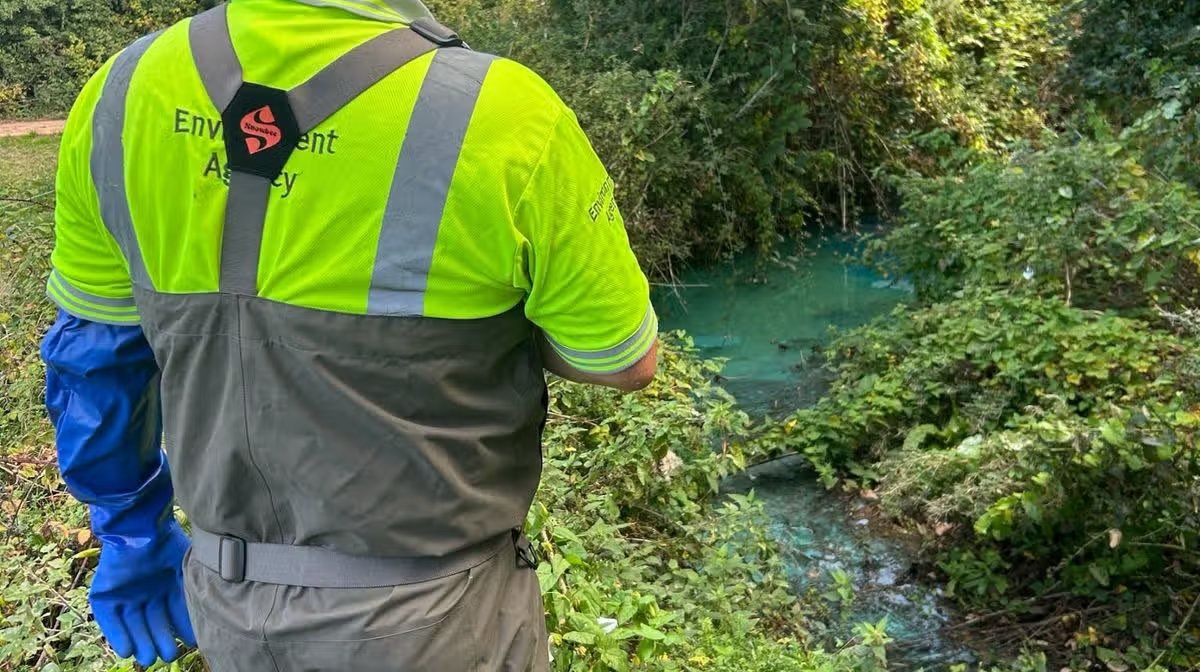
The move means the Environment Agency is stepping up its response to environmental incidents linked to the dry conditions while continuing to balance the needs of water users with protecting rivers, wildlife and habitats.
Joanne Laeger, environment planning and engagement manager at the Environment Agency for Devon and Cornwall, said:
“Devon, Cornwall and the Isles of Scilly is the third Environment Agency area to move into a state of prolonged dry weather this year.
“Following the warmest spring on record and the third heatwave of the year, we could see a summer of environmental incidents ranging from fish in distress to algal blooms.
“The Environment Agency urges everyone to do their bit and use water more wisely. The more water we use, the less there is available for the environment.
“Our climate is changing. We are already seeing wetter winters and hotter, drier summers. In our area, prolonged dry weather is occurring more frequently.”
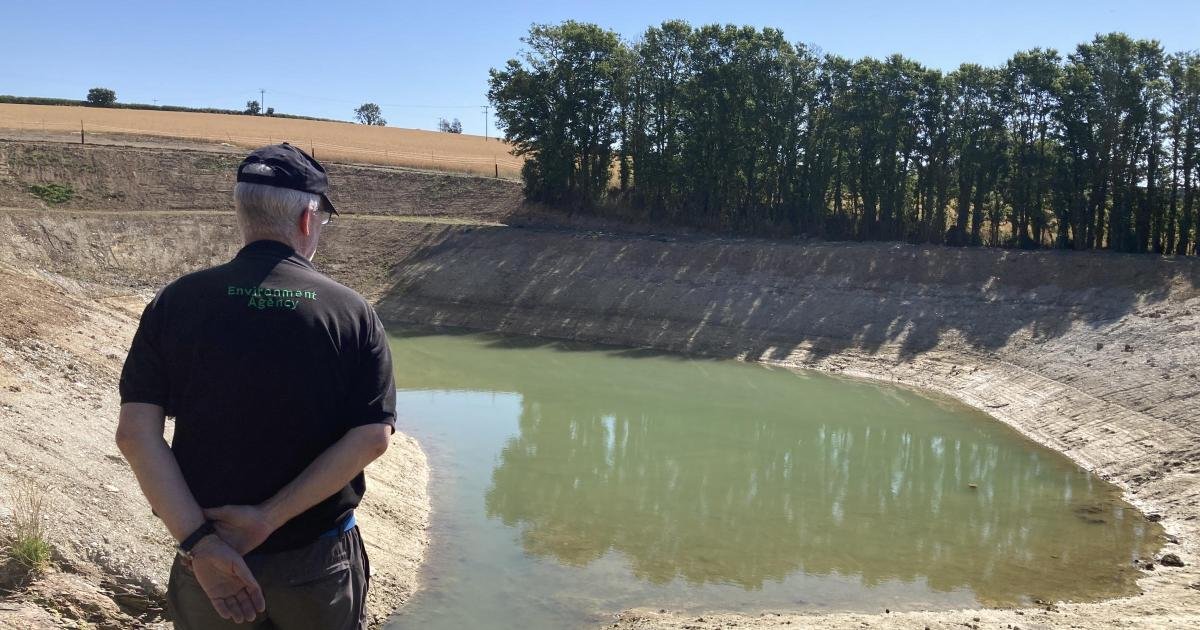
Although 2026 began with wet weather, rainfall between March and May was below average across Devon, Cornwall and the Isles of Scilly. Heavy downpours in early June failed to make up the deficit, leaving soils much drier than normal. River flows have fallen to exceptionally low levels in some areas, while some private water supplies fed by boreholes are beginning to come under pressure.
Similar conditions are being seen across the Wessex area, which covers Dorset, Somerset and Wiltshire.
Matt Akers, environment planning and engagement manager at the Environment Agency for the Wessex area, said:
“There’s been a big difference in the environment in the past month. June had 132% of its typical rainfall. This month we’ve had less than 1% so far.
“We are seeing low river flows in places like the Hampshire Avon and water temperatures of 24C which is almost tropical.
“The Environment Agency is keeping a close eye on the situation and remains ready to respond to incidents created by these conditions.”
Environment Agency teams have already responded to several incidents involving fish in distress, most recently helping relocate hundreds of fish from the River Tarrant in Dorset to safer waters. Weed cutting and vegetation removal are also planned to help reduce the impact of the dry conditions.
Across the wider West Country, below-average rainfall between March and May has left rivers and groundwater under pressure. While June brought above-average rainfall, 82% fell during the first ten days of the month and was unevenly distributed, meaning many areas saw little lasting benefit.
The situation continues to be monitored by the National Drought Group, which includes the Met Office, government departments, regulators, water companies, the National Farmers’ Union, the Canal & River Trust, anglers and conservation experts.