








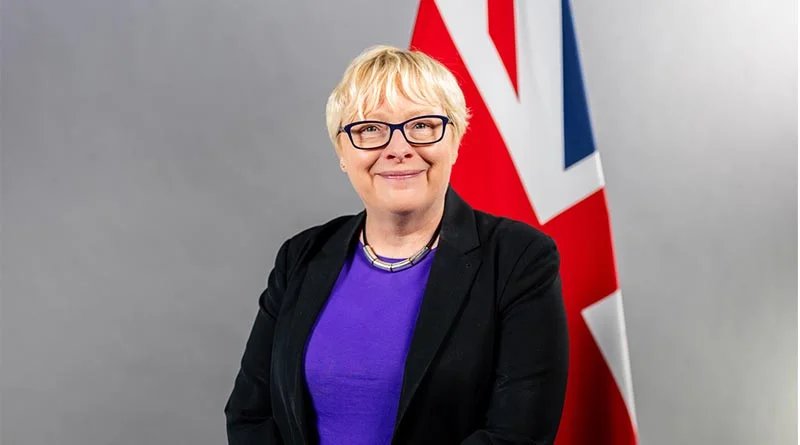
On 14 September 2026, the UK government reaffirmed the critical intersection between agricultural policy and national security during the annual “Back British Farming Day” reception. Addressing industry representatives and the National Farmers’ Union (NFU), the Environment Secretary emphasized that domestic food production is as vital to national stability as energy or defense, signaling a pivot toward a more interventionist and strategic approach to land management.
The government’s renewed focus comes on the heels of a challenging growing season characterized by extreme heat, drought, and the ongoing threat of the bluetongue virus. Acknowledging that one-third of UK farmers currently operate without profit, the Secretary warned that the long-standing assumption of food security—often taken for granted due to the sector’s historic consistency—is no longer a viable policy foundation in an era of climate volatility.
To address these vulnerabilities, the government is leaning into a “strategic plan for agriculture” that prioritizes both economic viability and climate resilience. A core component of this strategy is the further rollout of the Farming Roadmap and the Sustainable Farming Incentive (SFI). Building on the success of the first application window, which saw 7,000 applications, the government announced that the second window will open on 22 September with an increased budget of £230 million. This iteration introduces greater flexibility for farmers with expiring agreements, allowing them to bridge their transition into new, nature-positive practices without loss of support.
The policy framework places heavy emphasis on the synergy between ecological health and commercial output. Rather than viewing environmental protection and food production as mutually exclusive, the government is incentivizing nature-based solutions—such as improved soil health for water retention and hedgerow planting for livestock protection—as direct tools for business productivity. Capital grant funding has been bolstered by 50% to £225 million, specifically targeted at these infrastructure improvements.
The immediate pressure of disease management remains a primary concern for the government. With the bluetongue virus spreading, officials have implemented a revised, streamlined reporting process to assist the Animal and Plant Health Agency (APHA) in tracking outbreaks. Farmers are being strongly urged to coordinate with veterinarians regarding vaccination, which is presented as the most effective path to mitigating the economic impact of the disease.
Looking forward, the administration is prioritizing systemic growth through the newly established Farming Improvement Partnership Board. This initiative seeks to bring industry leaders together to draft sector-specific growth plans, starting with horticulture, followed by the poultry industry. The ultimate goal is to move beyond short-term reactive measures toward a structural transformation of the sector.
The urgency of these measures is heightened by climate forecasts, with officials warning that the recent cycle of difficult summers is likely to continue. With global weather patterns, such as El Niño, further complicating the agricultural environment, the government maintains that the current “turning point” in policy is essential. By integrating a new Land Use Framework—which suggests that 15% of land use can shift to support environmental goals without compromising total food output—the government aims to stabilize the sector.
As the UK navigates these shifts, the message from the Department for Environment, Food and Rural Affairs (Defra) remains clear: the survival of the agricultural sector is a prerequisite for national resilience. Whether through direct support for water infrastructure, such as the £65 million package recently announced by the Prime Minister, or through long-term subsidies for sustainable practices, the government’s stated intent is to ensure that domestic farming remains a profitable, secure, and permanent feature of the British economy.
Disclaimer: This content is auto-generated for informational purposes only.
Source: Read Original News