







Vegas Virtuoso: The Enduring Style of Sam "Ace" Rothstein
Las Vegas, NV – August 10, 2026 – 5:00 AM – In the shimmering, often volatile world of 1970s and 80s Las Vegas, where high stakes and higher drama were the order of the day, one figure stood out not just for his operational prowess but for his utterly distinctive sartorial signature. Sam "Ace" Rothstein, the unforgettable character brought to life by Robert De Niro in Martin Scorsese’s cinematic epic Casino, redefined what it meant to be a mob boss, trading in traditional pinstripes for a palette as bold and audacious as the city he commanded.
Rothstein’s wardrobe, a veritable masterclass in controlled excess, continues to captivate and inspire decades after its silver screen debut. As the de facto boss of the fictional Tangiers Casino, Rothstein’s attire was never merely clothing; it was an extension of his meticulous nature, his unyielding grip on control, and his flamboyant projection of power. His style was a deliberate counterpoint to the city’s neon glow, yet perfectly in harmony with its audacious spirit.
One of the most striking aspects of Rothstein’s fashion choices was his fearless embrace of color. Gone were the muted tones typically associated with organized crime figures. Instead, Rothstein favored tailored jackets meticulously paired with matching shirts and ties in hues that would make even the most seasoned fashionista pause. Mint green, sherbet yellow, and flamingo pink were not just present; they were central to his sartorial identity. This deliberate use of vibrant color was a visual declaration of his confidence and his unique position within a world often shrouded in shadows. It suggested a man who not only dictated terms but also dictated trends, albeit within his very specific, high-stakes domain.
Beyond the striking color combinations, Rothstein’s attention to detail extended to every facet of his ensemble. Each garment was impeccably tailored, reflecting a precision that mirrored his methodical approach to running a casino – and fixing baseball games. The crispness of his collars, the flawless drape of his jackets, and the perfect knot of his ties all spoke to a man who understood that presentation was paramount. In a world where appearances could mean the difference between respect and ruin, Rothstein leveraged his wardrobe as a tool of authority and intimidation.
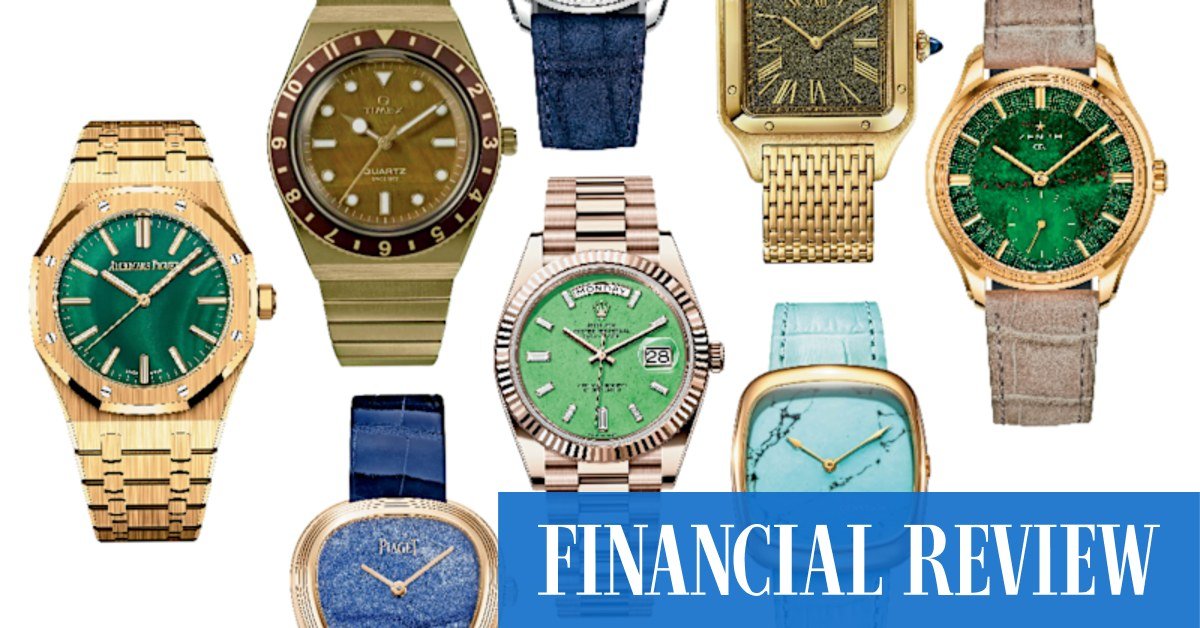
Equally fearless and perhaps even more indicative of his unique flair was Rothstein’s choice of wristwear. While many of his contemporaries might have opted for more traditional timepieces, Ace Rothstein’s watches were as audacious as his suits. He consistently sported stone-dial watches featuring brightly colored faces that truly popped. Electric blue and blood red were not merely accents; they were statements. These timepieces were not subtle accessories; they were declarations of individuality and an unabashed display of wealth and taste – or perhaps, more accurately, his taste.
The ability to pull off such an extravagant and individualistic style, especially in such a high-stakes, hyper-masculine environment, truly demanded a substantial amount of "chutzpah." Rothstein’s fashion was not for the faint of heart. It required an inherent self-assurance and an unwavering belief in one’s own aesthetic choices. He wasn’t following trends; he was setting them for himself, creating a visual lexicon that became synonymous with his character.
In the annals of cinematic fashion, Sam "Ace" Rothstein’s wardrobe remains a powerful testament to the idea that clothing can be more than just fabric; it can be character, it can be power, and it can be an unforgettable spectacle. Even today, designers and fashion enthusiasts look back at his audacious ensembles, recognizing the genius in their flamboyant precision and the enduring impact of a man who dared to dress in a world that expected him to blend in. The legacy of Ace Rothstein’s style is a vibrant, unforgettable chapter in the fashion story of the silver screen, proving that in Vegas, even the clothes played for keeps.