








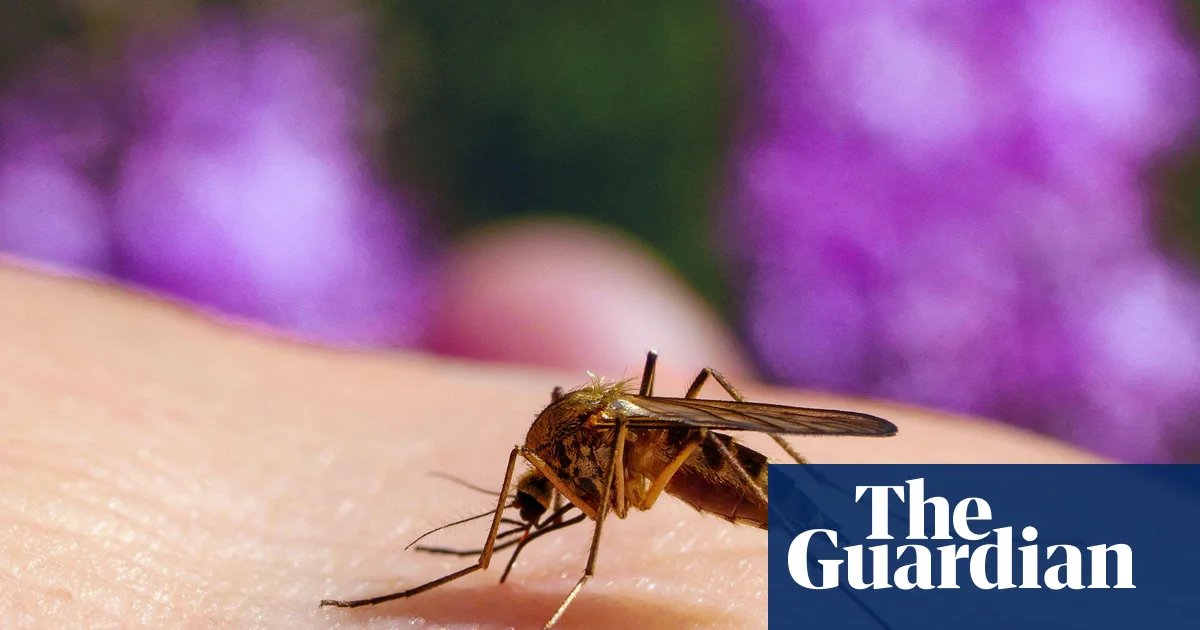
The summer months often bring with them the unwelcome presence of various blood-feeding insects, transforming outdoor excursions into a walking buffet for these tiny creatures. With rising global temperatures, the populations of these insects are undergoing significant shifts, necessitating closer observation of invasive species, particularly mosquitoes. These insects are not merely a nuisance; they are potent vectors for diseases like dengue and malaria, claiming over 600,000 lives globally each year. Experts like James Logan, a professor of medical entomology at the London School of Hygiene and Tropical Medicine, warn that the UK will inevitably face increased threats from mosquito-borne diseases as warmer temperatures become the norm. While mosquitoes capable of transmitting dengue are already present across mainland Europe and occasionally cross into the UK, they have yet to establish successful breeding populations that can survive the winter. However, the trend of milder winters and hotter summers suggests that this is only a matter of time.
Beyond the serious health implications, various blood-sucking insects, including midges, ticks, and horseflies, are primarily a persistent annoyance for many. It is almost always the female of these species that seeks a blood meal. Unlike their male counterparts, who sustain themselves on flower nectar, females require the protein-rich blood to produce eggs. They effectively drill into the skin and extract blood, a process often referred to as a “bite.”
These insects employ sophisticated methods to locate their hosts. Their primary detection mechanism involves sensing the carbon dioxide we exhale, which acts as an initial attractant. As they fly upwind towards this plume, they begin to pick up on other specific body odors. Even holding one’s breath offers little defense, as CO2 is also released through the skin. Larger, warm, and moving objects also draw the attention of many blood-feeding flies, such as horseflies, which typically target large vertebrates. Consequently, humans become an attractive, albeit unintended, target. Contrasting colors can also make individuals more conspicuous, with light-colored clothing generally being a better option as it makes landing insects easier to spot. Ticks, which are arachnids rather than insects, are similarly drawn to carbon dioxide, sweat, body odors, heat, and movement, often adopting an opportunistic approach by waiting for a host to pass by.
The question of why some individuals are bitten more frequently than others is largely attributed to differences in body odor. Mosquitoes are remarkably adept at discerning these subtle variations, which are influenced by genetics, hygiene, and diet. While anecdotal theories abound regarding blood type, garlic consumption, or even alcohol, scientific evidence for these claims remains scarce. Professor Logan notes that identical twins tend to experience similar levels of bites, while non-identical twins do not, supporting the genetic component of attractiveness. Jennifer Mordue, an entomologist, highlights that our skin constantly releases around 300 different chemicals, creating a unique individual scent profile that can either attract or deter midges. Larger, taller individuals may also be more frequent targets due to their increased surface area, though scent remains the most significant driver.
Attempts to alter one’s scent profile to repel these insects are generally ineffective. Popular myths like consuming garlic, brewer’s yeast, or gin and tonic lack scientific backing. While there’s some evidence that drinking beer might increase attractiveness to mosquitoes, it’s thought to be more related to changes in body temperature and sweat production rather than a direct alteration of scent. The most effective deterrent remains insect repellent containing active ingredients such as DEET, picaridin, IR3535, or oil of lemon eucalyptus (OLE). Perfumes, no matter how strong, are unlikely to mask human scent effectively, as mosquitoes have evolved over millions of years to recognize it. However, maintaining good hygiene, particularly washing away stale sweat, can reduce attractiveness to mosquitoes.
The sensation of a bite varies significantly depending on the insect. Mosquitoes, with their delicate, needle-like mouthparts, inject an anesthetic along with an anticoagulant into the bloodstream, making their feeding process largely imperceptible. The subsequent itch and lump are a reaction to the foreign proteins in their saliva. Horseflies, on the other hand, are far less subtle. They possess a more brutal mouthpart that slices the skin, leading to immediate pain as they lap up the pooling blood. Since humans are not their primary targets, horseflies are less stealthy than mosquitoes, and their bites are notably more painful. Stable flies, commonly found in agricultural settings, also have a “stabbing proboscis” that delivers a distinct bite.
To avoid being bitten, several strategies can be employed. Awareness of the insects’ active times is crucial; while some mosquitoes are most active at dawn and dusk, others feed throughout the night or even during the day. Wearing long, loose-fitting clothing provides a physical barrier, as tight clothing can still allow mosquitoes to bite through. Keeping windows and doors closed, especially during peak activity times, and eliminating standing water in gardens (even a bottle cap can serve as a breeding ground) are important preventative measures.
For midges, checking weather forecasts can be beneficial. They struggle to fly in winds exceeding 4-5 mph and are inactive below 13°C. They thrive in low-level cloud cover and humidity, making dawn and dusk particularly problematic times. For tick-prone areas, long sleeves and trousers are recommended, along with regular self-checks for ticks. Interestingly, research suggests that patterns resembling zebra stripes can deter horseflies, offering a novel approach to personal protection through “disruptive coloring.” Pairing this with light, loose clothing and perhaps strategically positioning oneself near someone who seems to attract more bites rounds out a comprehensive avoidance strategy.
Should a bite occur, resisting the urge to scratch is paramount. Scratching can break the skin, leading to infection, especially in warm, sweaty environments. Oral antihistamines or over-the-counter antihistamine creams can help alleviate the itch if applied promptly. Keeping the bitten area clean is essential for healing, and medical attention should be sought for any signs of infection. For tick bites, while most are harmless, the appearance of a “bullseye” rash or flu-like symptoms warrants immediate medical consultation.
Ultimately, while these blood-feeding insects can be a considerable nuisance, it’s important to consider their ecological role. As pollinators and a vital food source for many birds and other wildlife, they are integral components of the ecosystem. Eradication efforts, therefore, need to be approached with caution, balancing human comfort with the broader implications for environmental health.