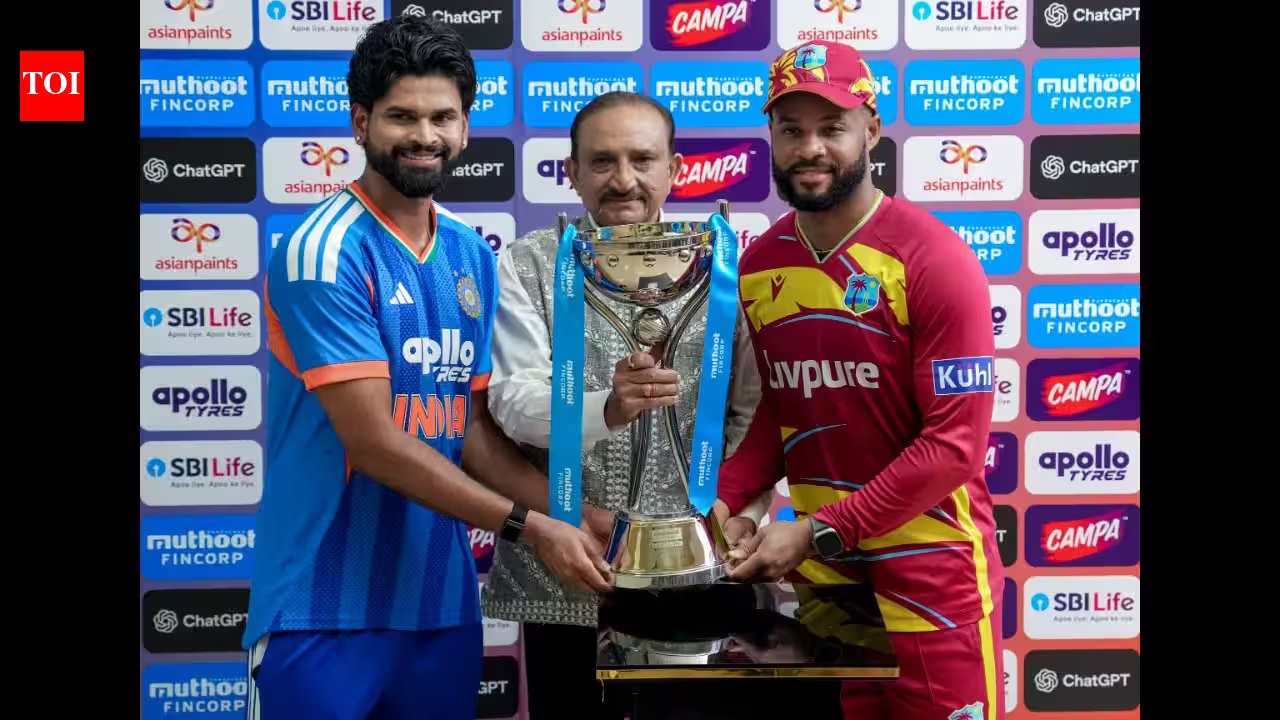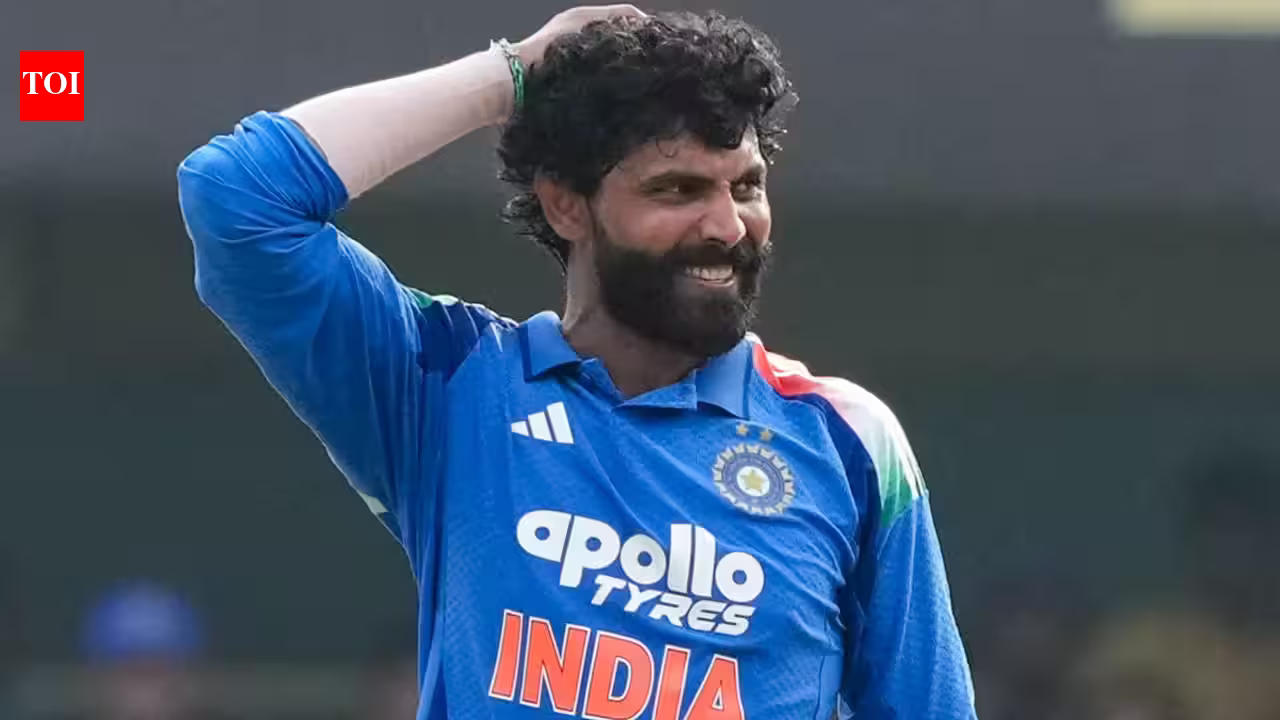









“Hardik Pandya is irreplaceable.” These four words from legendary Indian captain Sunil Gavaskar serve as both a stark reality check and a tactical blueprint for the Indian cricket team as they look toward the future of their T20I setup. Following a series against the West Indies that ended in a hard-fought 2-2 draw—culminating in a rain-abandoned finale in Bengaluru—the conversation surrounding the search for an all-rounder who can mirror Pandya’s rare skill set has reached a fever pitch.
Gavaskar, a voice that commands immense respect in the corridors of power, has urged the team management to abandon the “search for a clone” mentality. Instead, he argues that the obsession with finding a like-for-like replacement is not only futile but is actively handicapping the team’s strategic balance.
The Fallacy of the Perfect Replacement
For years, the Indian selectors have been on a quest to unearth the next Hardik Pandya—a cricketer with the pace to bowl meaningful overs and the power to dismantle death-overs bowling attacks. While the search is understandable given the tactical luxury an all-rounder provides, Gavaskar believes the team is getting “carried away.”
“We sometimes get a little bit carried away with trying to find a replacement for Hardik Pandya. Hardik Pandya is irreplaceable,” Gavaskar stated during a post-match analysis on JioStar. “If you can’t find somebody of his calibre, then go with somebody who will do a slightly different job.”
The emphasis here is on functional utility rather than mirroring one specific player’s genetic makeup. By shifting the focus from individual profiles to team needs, Gavaskar suggests that India can stop trying to force square pegs into round holes.
Strengthening the Bowling Core
One of the most critical points raised by the “Little Master” is the internal structure of the playing XI. In the modern era of T20 cricket, there has been a trend—often driven by the IPL—to pack lineups with batting depth, occasionally pushing specialists down to number eight. Gavaskar sees this as a recipe for disaster.
“The moment you go with batting up to number eight, you weaken your bowling, and that’s where you get beaten,” he warned.
Gavaskar’s solution is a return to traditional cricketing principles: prioritize four specialist bowlers. In this framework, all-rounders are not expected to be world-class spearheads; they are there to function as the fifth or sixth bowling options, providing the necessary balance without compromising the penetration of the bowling attack. By anchoring the team with four front-line bowlers, India can avoid the trap of “batting heavy” lineups that often crumble when the pitch conditions or the opposition’s skill levels demand more bowling discipline.
Naman Dhir: A Model for the Future?
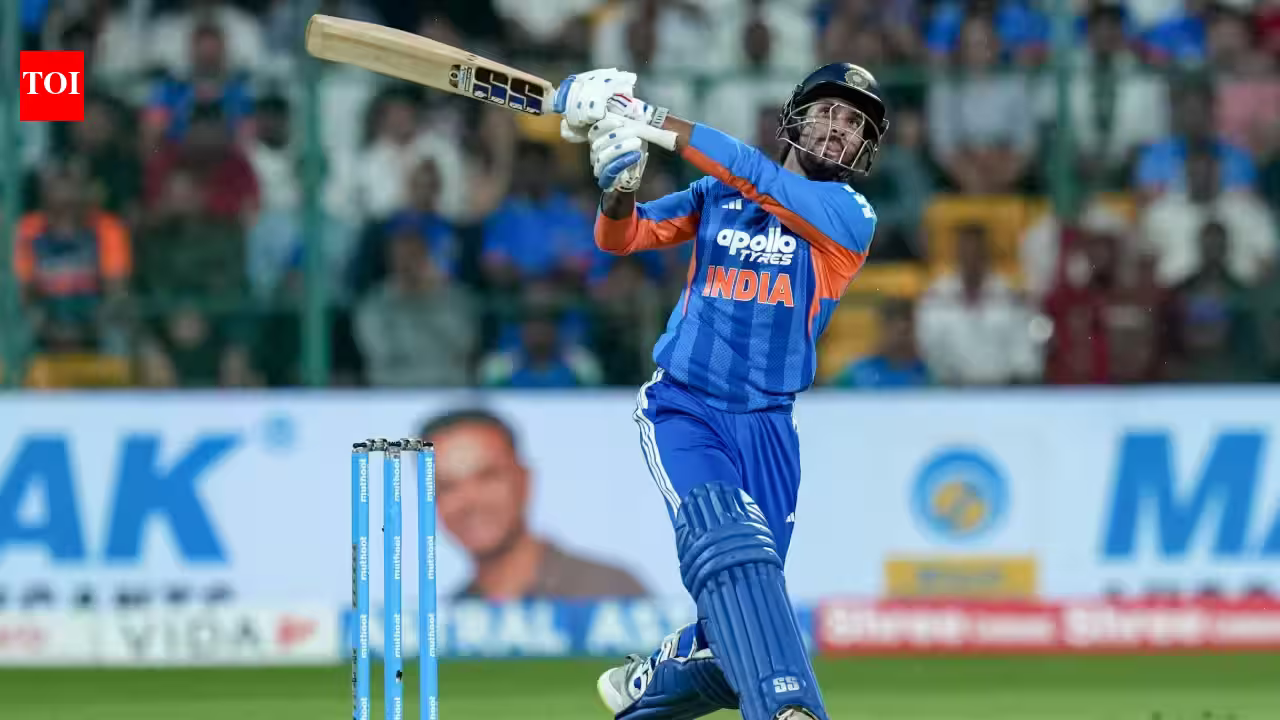
Amidst the tactical discourse, Gavaskar pointed to Naman Dhir as a prototype for the “slightly different” type of player India should cultivate. Dhir’s brief but explosive cameo in the rain-affected Bengaluru T20I—where he struck an unbeaten 24 off just six deliveries—provided a glimpse into the type of impact a non-specialist all-rounder can have.
“Naman Dhir is doing that job. He’s bowling his overs well, and look at the way he batted in this game,” Gavaskar noted. By integrating players who are competent in both departments, even if not elite in one, the team can achieve a more stable equilibrium. Furthermore, Gavaskar highlighted the necessity of backing spin bowlers, ensuring they feel secure in their positions even if they rotate out of the playing XI, which is vital for building a deep, confident bench.
The Reality of High-Risk Cricket
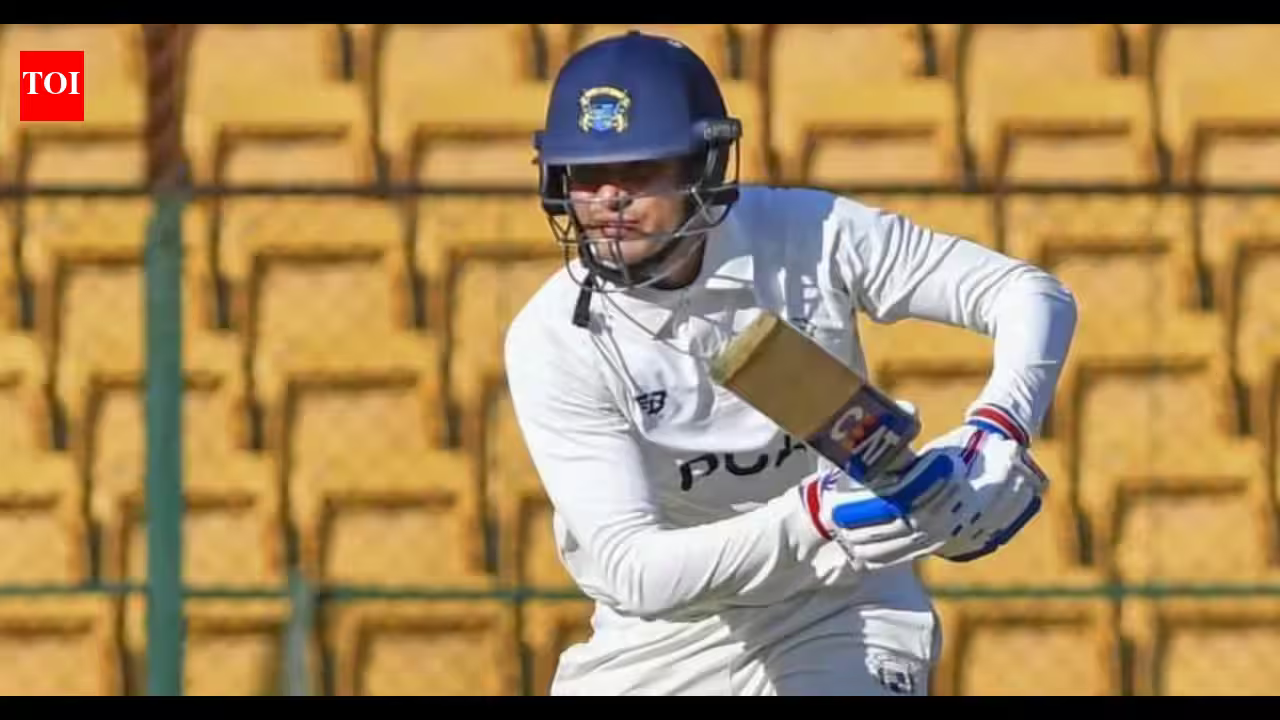
While the bowling structure dominated much of the conversation, the batting approach also came under the microscope. Former Indian opener Aakash Chopra weighed in on the performance of Abhishek Sharma, who struggled to find his rhythm throughout the series against the Windies.
Chopra, however, offered a pragmatic perspective. In an age where batters are instructed to maintain strike rates hovering near 200, inconsistencies are not just likely; they are inevitable.
“In the last game, when he didn’t get much strike, he looked a bit scratchy. He didn’t get any rhythm at all,” Chopra admitted. “But that is also going to happen. If you are playing with an aggressive intent, you cannot expect a 30-ball 50 in every single outing. High-risk cricket entails high-reward outcomes, but it also carries the inherent risk of quick exits.”
Chopra’s assessment reinforces the current team philosophy: aggressive, intent-driven batting is the priority, even if it occasionally results in lower-than-average performances.
Moving Forward
As the Indian side looks ahead, the takeaway from this series is clear: consistency in selection and a rigid adherence to a strong, four-man bowling core appear to be the pillars upon which success will be built. The rain in Bengaluru may have prevented a series-deciding result on the field, but it provided the necessary pause for experts like Gavaskar to redirect the team’s strategy.
The obsession with finding a replica of Hardik Pandya must end. By focusing on “doing a different job” and ensuring the bowling attack is never sacrificed for the sake of an elongated tail, India can build a more resilient and versatile squad capable of challenging the best in the world. The era of the “Pandya clone” hunt should be replaced by a more nuanced approach—one that values the sum of the parts over the search for a singular, elusive piece.
Disclaimer: This content is auto-generated for informational purposes only.
Source: Read Original News