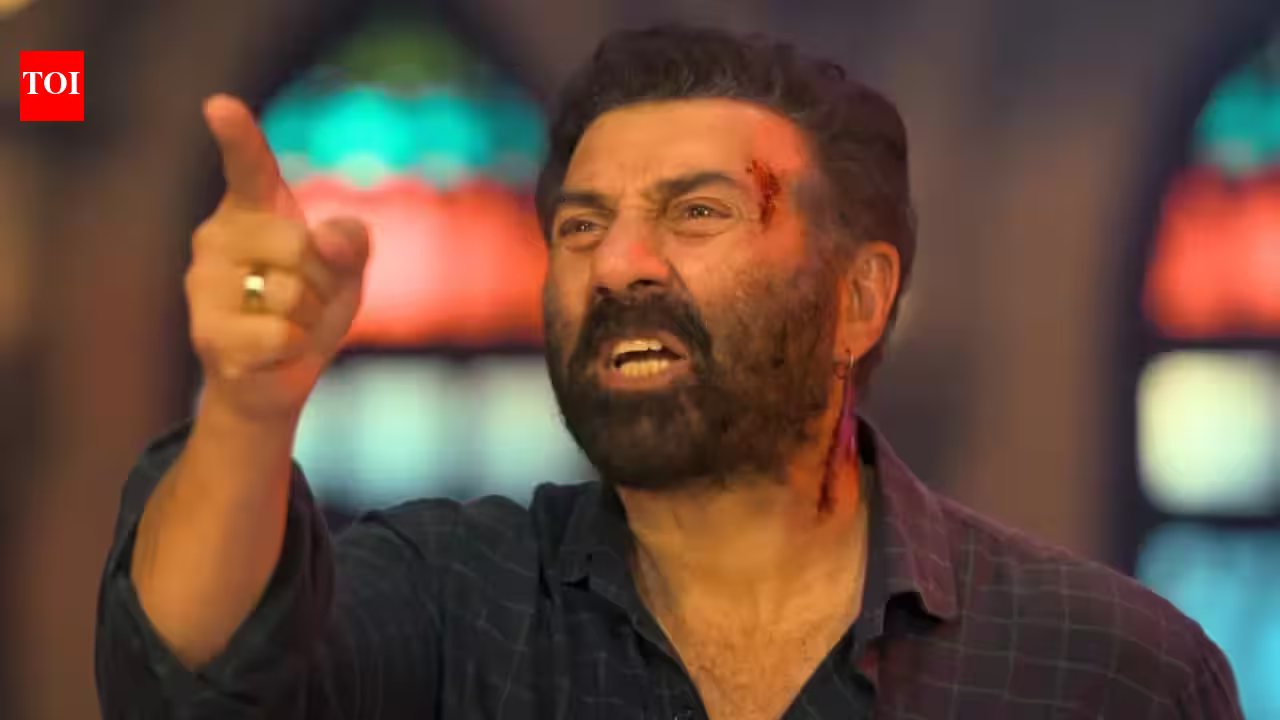









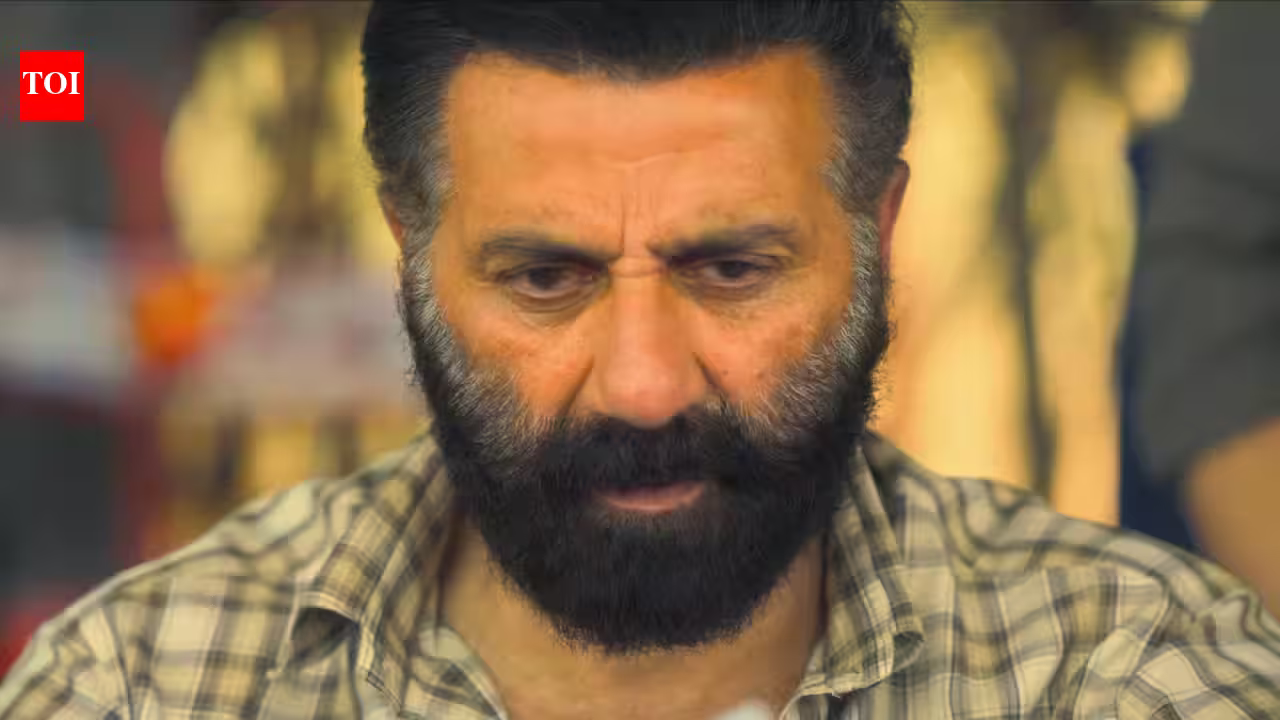
The high-octane aura of a Sunny Deol film has always been synonymous with righteous fury and the kind of visceral, bone-crunching justice that fills single-screen theaters with thunderous applause. But as Deol gears up for his latest project, Suryaa – Ant Se Aarambh Tak, the pre-release hype has been eclipsed by a sobering reality check. The Indian Medical Association (IMA), the nation’s largest collective of healthcare professionals, has officially stepped into the ring, firing a stern warning shot toward New Delhi that could potentially disrupt the film’s November 20 release.
At the center of this clash is a letter penned by the IMA to Union Information and Broadcasting Minister Ashwini Vaishnaw. The association is calling for an “urgent review” of the film, arguing that its narrative—which centers on a deeply personal loss linked to the medical system—transgresses the line between cinematic storytelling and dangerous character assassination of an entire profession.
The Anatomy of the IMA’s Grievance
For an industry that relies on the “villainous institution” trope to drive its plots, Suryaa is leaning heavily into the dark underbelly of healthcare. The IMA, however, isn’t buying the “it’s just a movie” defense. In their missive to the Ministry, they’ve highlighted scenes that depict systemic corruption, professional misconduct, and, most alarmingly, physical violence against doctors and nursing staff.
The association’s point is nuanced but firm: while the film is entitled to explore individual cases of malpractice, the sweeping brush with which it paints the medical community is unacceptable. By framing the doctor as a generalized villain, the IMA argues that the film risks eroding the foundational trust necessary for the doctor-patient relationship to function. They are calling for an impartial review, suggesting that if the content crosses the threshold of public mischief or incitement, the law must take its course.
The Shadow of Real-World Violence
Perhaps the most potent argument raised by the IMA concerns the optics of violence. In recent years, healthcare workers across India have been increasingly vulnerable to physical assaults within hospital premises. Doctors are often the first line of defense during crises, yet they are frequently the target of public ire when tragedy strikes or when resources fall short.
The IMA’s fear is rooted in the “heroic” framing of these on-screen attacks. If a protagonist is seen physically assaulting medical staff as a form of “justice,” the association worries this could normalize such aggression in the public consciousness. In a country where the safety of resident doctors and nurses is a constant, heated debate, the last thing the medical community needs is a high-profile Bollywood film that might inadvertently incite further hostility toward those in white coats. It’s an argument about the social responsibility of art—can a film afford to be provocative when the audience is primed for real-world aggression?
Balancing Creative Freedom and Professional Dignity
It is worth noting that the IMA has taken pains to clarify that they are not acting as proponents of medical malpractice. Their letter explicitly states that they do not support corruption or unethical behavior. Instead, they are advocating for accountability that is handled through legal and professional disciplinary channels rather than being exploited as a plot device to demonize an entire workforce.
There is also a psychological dimension to their objection. The letter notes that the negative, sweeping portrayals of doctors could demoralize the next generation of medical aspirants. With India already struggling to meet the healthcare needs of a surging population, the IMA argues that the “villainous doctor” trope acts as a deterrent, tarnishing the dignity of a profession built on, as they put it, “years of hard work, sacrifice, compassion, and service.”
Sunny Deol and the ‘Suryaa’ Narrative
The irony, of course, is that the film’s teaser—released to coincide with Sunny Deol’s birthday—promises the quintessential “Sunny Paaji” brand of intensity. The snippets released suggest a story of a man fueled by a personal loss, thrust into a harrowing battle against a system he deems corrupt. It is classic masala cinema: the common man versus the faceless, oppressive system.
The cast, which includes heavyweight performers like Ravi Kishan, Jisshu Sengupta, and Tinu Anand, clearly indicates a film with high stakes and deep conflict. But in trying to create a narrative of a “broken system,” the filmmakers may have underestimated the sensitivity of the very professionals who keep that system alive. When a superstar of Deol’s magnitude takes on the “system,” the system, in this case, has decided to fight back.
The Road to November 20
As the clock ticks down toward the November 20 release date, all eyes are on the Ministry of Information and Broadcasting. Will the government step in to demand cuts? Will the Censor Board be tasked with a re-evaluation of specific scenes? Or will the producers choose to navigate the backlash with a strategic re-edit to avoid a full-scale legal blockade?
For now, Suryaa – Ant Se Aarambh Tak is caught in a familiar tug-of-war between the liberties of the creative arts and the sensitivities of a professional body tasked with public health. Whether the film stands as a bold critique of systemic failures or a reckless vilification of healthcare workers is no longer a question for just the critics—it’s a question of public policy. As the industry watches, the real-world tension surrounding this release proves that even in the world of make-believe, actions—and scripts—have very real consequences. The question now is whether the “Ant” (the end) of this controversy will lead to a compromise that keeps both the audience and the doctors happy, or if the “Aarambh” (the beginning) of this film’s life in theaters will be marred by legal and social unrest.
Disclaimer: This content is auto-generated for informational purposes only.
Source: Read Original News