









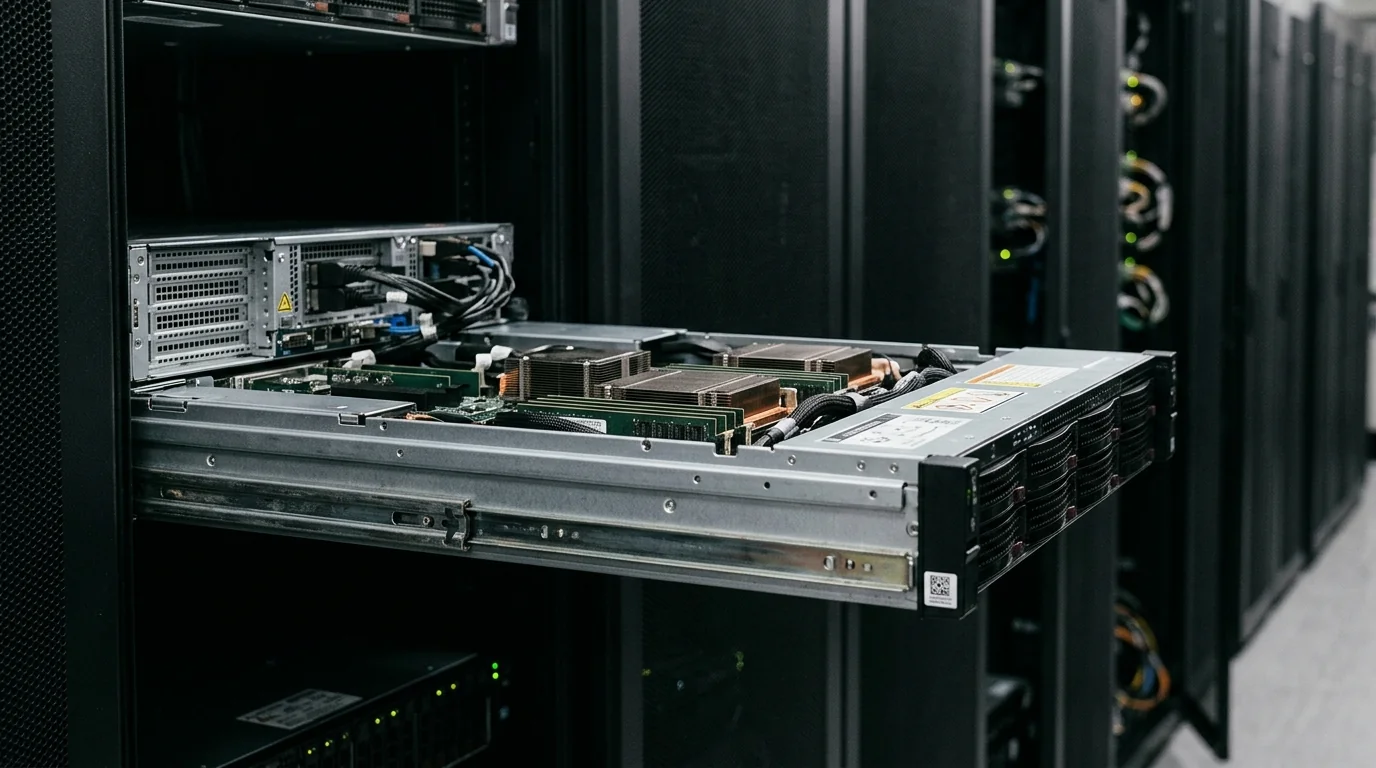
Super Micro Computer (SMCI) has provided a critical preliminary financial update for the first quarter of fiscal year 2025, offering a glimpse into the hardware giant’s performance amidst the ongoing AI infrastructure boom. While the company is currently navigating a complex period of scrutiny, the early data suggests that its operational efficiency—specifically regarding profit margins—is outpacing previous market expectations.
### Surpassing Gross Margin Guidance
In a move to provide transparency ahead of its formal earnings call scheduled for November 3, Supermicro reported that its gross margins for the first quarter are estimated to fall between 12.0% and 12.5%. This figure represents a notable beat compared to the company’s own initial guidance, which projected margins in the range of 10.4% to 10.8%.
For investors and analysts watching the AI hardware space, this margin expansion is a significant signal. As the industry grapples with the massive capital expenditure required to scale generative AI, the ability of server manufacturers like Supermicro to optimize their cost structures is paramount. By exceeding these targets, the company demonstrates an improved ability to manage its supply chain and product mix, even as demand for high-end, GPU-accelerated computing infrastructure continues to stress global component availability.
### The AI Infrastructure Bottleneck
The demand for high-performance computing remains the primary driver of Supermicro’s business. As hyperscalers and enterprise clients scramble to integrate advanced AI models—such as those powering Google’s Gemini and other Large Language Models (LLMs)—the need for rack-scale, liquid-cooled, and high-density server solutions has become a critical bottleneck in the tech ecosystem.
Supermicro’s specialized hardware designs, particularly those optimized for NVIDIA’s latest Blackwell and Hopper architectures, place the company at the epicenter of the current tech gold rush. However, the tech industry is also watching closely to see how these hardware providers balance rapid growth with the technical challenges of deploying massive AI clusters. Reliable server performance is the backbone of Google’s suite of cloud products and AI-driven features, making the health of the hardware supply chain a vital metric for the broader tech market.
### Navigating Market Uncertainty
Despite the positive margin news, the company’s preliminary figures remain unaudited and subject to potential revision. This caution is echoed by the market, as Supermicro has faced recent headwinds regarding internal financial controls and external auditing scrutiny. Investors are looking toward the November 3 conference call for more than just margin percentages; they are seeking clarity on the company’s long-term operational health and its ability to maintain its dominant position in the rack-scale AI server market.
In the fast-moving world of artificial intelligence, where hardware lifecycles are shortening and competitive pressure from rivals like Dell and HPE remains fierce, consistency is king. Supermicro’s update serves as a preliminary testament to the strength of its current product pipeline. If the company can finalize these improved margin figures during its formal reporting process, it may help stabilize market sentiment and reaffirm its status as a cornerstone manufacturer in the global effort to build the next generation of AI-ready data centers.
As the industry prepares for the November 3 update, all eyes will be on whether these improved margins are sustainable in the long term, or if they reflect a temporary benefit from specific high-value AI system sales. For now, the narrative remains centered on whether Supermicro can scale effectively enough to meet the relentless, compute-heavy requirements of the AI era.
Disclaimer: This content is auto-generated for informational purposes only.
Source: Read Original News