







A coalition of major U.S. technology industry leaders and trade organizations has officially filed a federal lawsuit challenging the latest round of executive-ordered tariffs, claiming the White House overstepped its legal authority. The legal action, which focuses on the economic fallout of these trade policies, is sending shockwaves through Silicon Valley as executives warn that the added costs are stifling innovation in artificial intelligence and hardware production.
## The Economic Burden on Tech Innovation
The lawsuit centers on the argument that the current administration’s tariff framework lacks the necessary congressional oversight required for such sweeping economic measures. For the tech sector, these costs are not merely abstract figures; they are being passed directly down the supply chain. Companies that rely on imported semiconductors, specialized sensors, and rare earth components—essential building blocks for modern AI hardware—are facing unprecedented overhead increases.
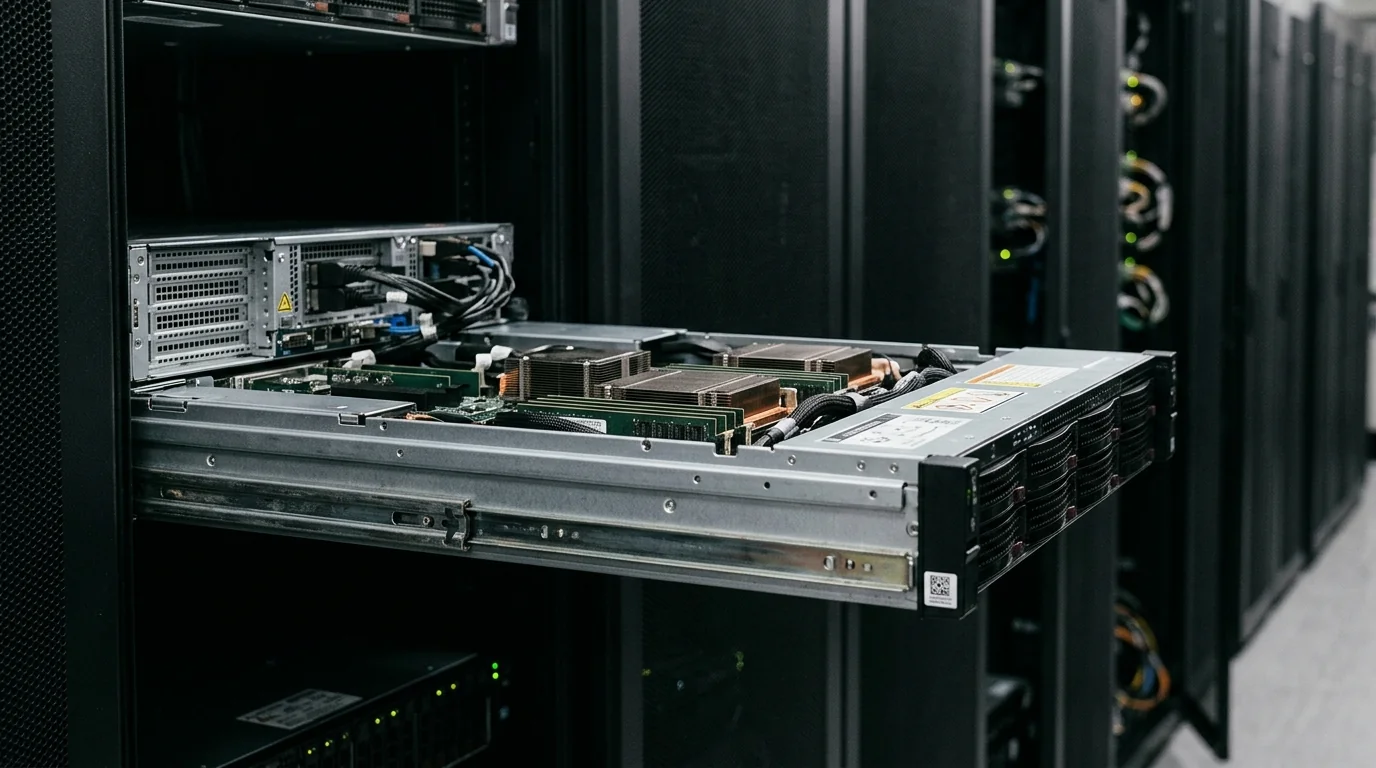
“The imposition of these tariffs creates immediate, tangible harm to American businesses that are currently competing in a high-stakes global race for AI supremacy,” the complaint states. Industry analysts note that for companies invested in developing massive data centers and high-end server clusters, the tariff-driven spike in hardware costs is effectively acting as a tax on domestic technological advancement. Small and mid-sized tech firms, which often operate on thinner margins than their Big Tech counterparts, argue that the policy threatens their ability to keep pace with international competitors.
## Integration of AI and Global Supply Chains
The tech industry has become increasingly reliant on globalized supply chains to fuel the rapid development of generative AI. Because the infrastructure required to train large language models—namely high-performance GPUs and complex cooling systems—relies heavily on components manufactured abroad, the tariffs are disrupting the development cycle.
Several tech giants have expressed concern that this friction will force them to rethink their infrastructure rollouts. If the costs of deploying AI-ready hardware remain artificially inflated, firms may be forced to scale back their cloud computing investments. This would not only impact corporate bottom lines but could also delay the release of new software features and AI-driven productivity tools that consumers rely on daily. The lawsuit highlights that in an era where AI is considered a national security and economic priority, placing barriers on the physical components of these systems is self-defeating.
## Seeking Legal Clarity and Market Stability
The core of the legal challenge lies in the assertion that the executive branch has utilized trade authority statutes in a manner that exceeds the original legislative intent. By bypassing traditional review processes, the administration has created an environment of uncertainty, according to the plaintiffs.
“Predictability is the lifeblood of the tech industry,” says an industry consultant following the case. “When you introduce sudden, massive tariff hikes, you don’t just shift costs; you freeze R&D budgets because companies stop investing until they know what the landscape looks like.”
As the case moves forward, the tech industry is calling for a more nuanced approach—one that separates consumer goods from the critical infrastructure necessary for the next generation of computing. The outcome of this lawsuit will likely set a major precedent for how future administrations can utilize trade policy to influence domestic technology growth. For now, tech companies are bracing for a prolonged legal battle, hoping to secure exemptions that would allow them to continue sourcing the hardware necessary to maintain the United States’ competitive edge in the global digital economy. The White House has yet to provide a detailed comment on the pending litigation, though officials have previously defended the tariffs as essential for protecting domestic labor and national manufacturing interests.
Disclaimer: This content is auto-generated for informational purposes only.
Source: Read Original News