






[
Supreme Court Declines Plea to Regulate Religious Education for Young Children
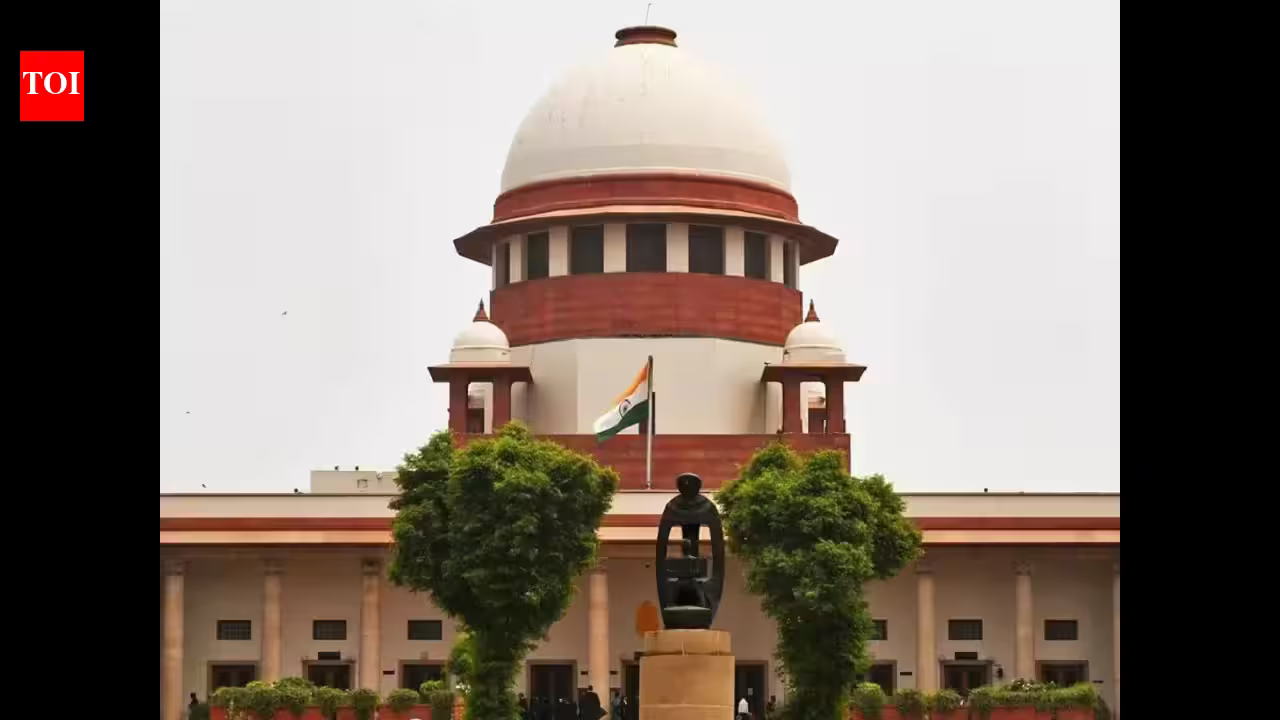
New Delhi, India – The Supreme Court of India on Monday, August 10, declined to entertain a Public Interest Litigation (PIL) that sought comprehensive registration, recognition, and monitoring of institutions providing secular education or religious instruction to children below the age of 14.
The petition, filed by BJP leader and advocate Ashwini Kumar Upadhyay, aimed to establish a regulatory framework for these institutions, which the petitioner alleged were operating without adequate state supervision or formal registration.
The Court’s decision signifies that the substantive issues and allegations raised within the petition were not deliberated on their merits, thus avoiding a detailed judicial examination of the concerns against such institutions.
What the PIL Advocated
Upadhyay’s petition called for institutions imparting education or religious instruction to children under 14 years of age to be brought under a robust system of registration, recognition, and continuous monitoring. The petitioner argued that young children are particularly susceptible to influence, making them vulnerable to radicalization in the name of religion.
A key contention was that some institutions were purportedly operating outside standard state oversight, allegedly leveraging the protections afforded to minority educational institutions under Article 30 of the Constitution. The plea sought proactive measures to identify such institutions and ensure their adherence to prescribed educational and regulatory standards, emphasizing the need for a safe and standardized learning environment for children.
Petitioner’s Concerns Regarding Article 30
Central to the petitioner’s arguments was Article 30(1) of the Indian Constitution. This Article grants religious and linguistic minorities the fundamental right to establish and administer educational institutions of their choice, a provision designed to safeguard minority educational rights.
However, the petition alleged that this constitutional protection was being exploited by certain institutions to operate without sufficient regulatory scrutiny. It claimed that thousands of unregistered entities might be imparting religious instruction to children, potentially exposing them to what the petitioner termed “radicalisation” and undue religious influence. It is crucial to note that these claims were part of the petitioner’s submissions and were not verified or established as facts by the Supreme Court.
The Sensitivity of Regulating Such Institutions
The issue of regulating educational institutions, particularly those with a religious or minority character, involves a delicate constitutional balance. On one hand, the State has a clear responsibility to ensure that children receive education in a safe, regulated environment that meets established educational standards. On the other, the Constitution expressly protects the rights of religious and linguistic minorities to establish and manage their own educational institutions.
Any proposed regulatory framework in this domain must carefully navigate these dual considerations: safeguarding children’s educational interests while upholding constitutionally protected minority rights. The extent to which the State can regulate minority educational institutions has been a subject of extensive judicial interpretation, with courts examining aspects like educational standards, administrative autonomy, and the permissible limits of state intervention.
Supreme Court Declines Merits Review
The Supreme Court’s decision not to entertain the PIL carries significant implications, as it means the allegations and proposed reforms were not subjected to a substantive judicial review. Had the petition been heard on its merits, it could have potentially led to greater scrutiny of institutions providing religious instruction to children and the establishment of mechanisms to identify and monitor unregistered entities.
However, with the plea being declined, no such directives have been issued through this particular petition. It is important to clarify that this refusal does not constitute a judicial finding on the veracity of the petitioner’s allegations, nor does it imply that all institutions falling under these concerns operate outside legal compliance.
Understanding Article 30(1)
Article 30(1), enshrined within the Fundamental Rights chapter of the Constitution, ensures that minorities possess the right to establish and manage their own educational institutions. This provision is a cornerstone for protecting the educational and cultural rights of minority communities. While it grants significant autonomy, this right is not absolute and is generally subject to the broader regulatory framework governing education. Courts have frequently deliberated on the interplay between institutional autonomy and legitimate state regulation, making any blanket regulation of minority educational institutions a complex constitutional matter.
The Path Forward
For now, the Supreme Court’s decision not to hear the PIL means that the specific regulatory regime advocated by the petitioner will not receive judicial guidance in this instance. Nevertheless, the broader discussion sparked by the petition highlights critical considerations regarding child education, institutional accountability, religious instruction, and constitutional safeguards. Any future attempts to regulate institutions offering either religious or secular education to children will undoubtedly need to meticulously consider these multifaceted aspects.