







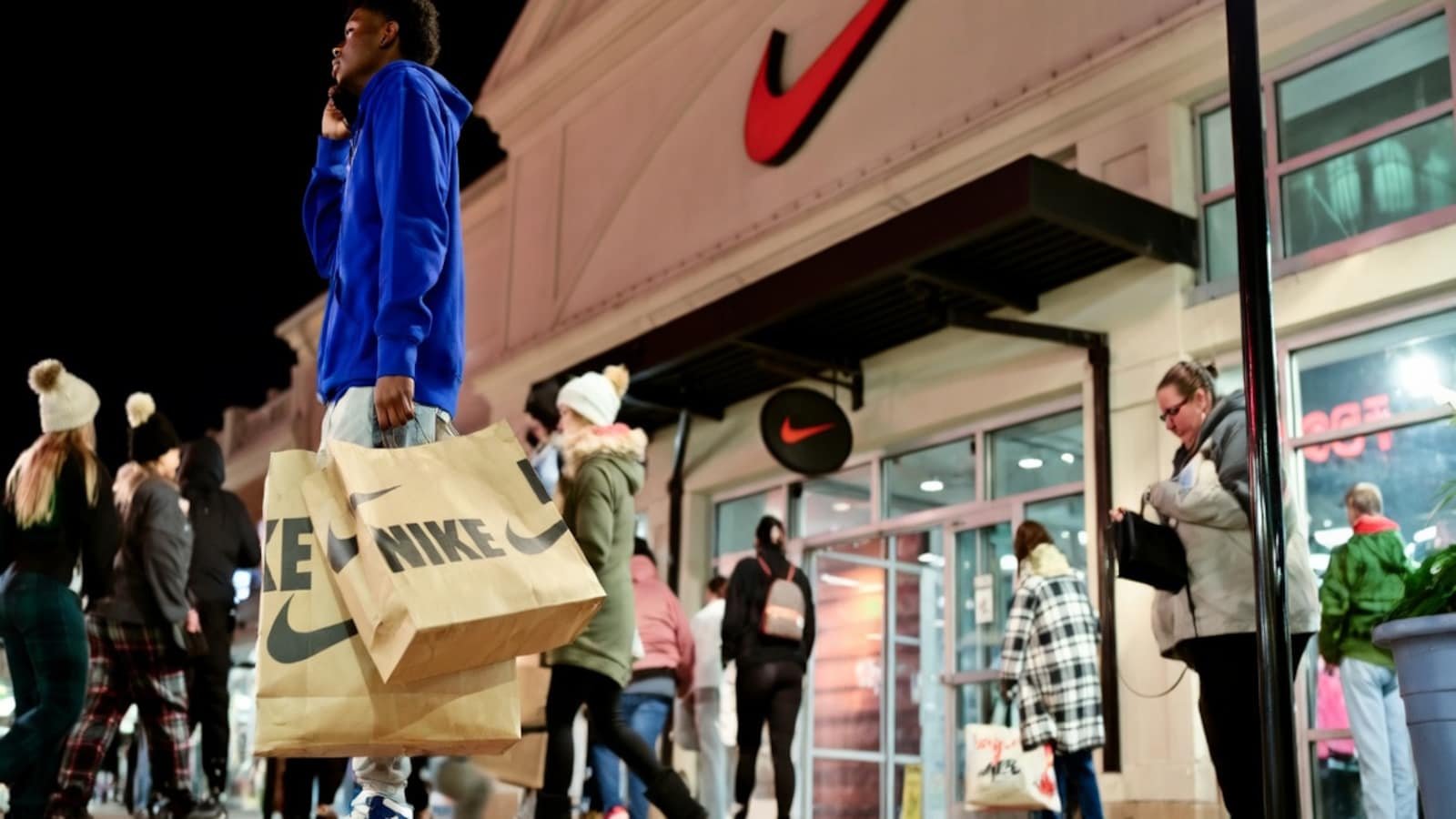
Nike’s iconic “Just Do It” slogan has long served as a shorthand for athletic excellence and cultural dominance, but today, that phrase feels ironically heavy. The sportswear giant is currently navigating a period of profound turbulence, characterized by sliding sales, sweeping layoffs, and a strategic pivot that signals the end of an era for the brand that defined modern sneaker culture.
## The Search for the Next “Must-Have” Product
At the heart of Nike’s struggle is a fundamental shift in consumer demand. While athletic participation remains high, Nike has lost its edge in creating the “must-have” product. Once the undisputed king of both the track and the high-fashion runway, the company is now finding its lifestyle segment under severe pressure.
The Air Force 1 and Air Jordan lines, which historically acted as the pillars of Nike’s cultural relevance, are facing fatigue as consumers pivot toward specialized competitors. Emerging brands like Hoka and On Cloud have successfully chipped away at Nike’s running dominance, while a crowded landscape of lifestyle footwear has forced the Swoosh to compete on pricing and variety rather than brand mythology. Industry analysts point to a lack of breakthrough innovation, noting that while Nike still commands massive brand recognition, it has failed to convert that awareness into the same level of consumer excitement seen in previous decades.
## Strategic Realignment and the “Pace” Transformation
To combat these headwinds, Nike has unveiled “Pace,” an aggressive operational restructuring program aimed at driving $2.5 billion in cumulative savings by fiscal 2031. This transformation involves a total rethink of how the company operates, including a leaner organizational structure and a reduction in its global footprint.
As part of this transition, Nike is moving to consolidate decision-making processes, including the establishment of a new campus in Bengaluru, India. This hub is designed to bridge the gap between corporate strategy and regional execution, tapping into global talent pools to support the Jordan Brand, Converse, and Nike’s core operations. However, the plan comes with immediate costs, including roughly $1 billion in pre-tax charges tied to layoffs and organizational shifts. The company has acknowledged that its current workforce structure is no longer sustainable, though the final tally of job losses remains fluid as the company prepares to implement these changes through 2027.
## Addressing the China Gap and Distribution Stumbles
Geographically, the outlook is particularly grim in China, where revenue plummeted 22% in the most recent quarter. Nike’s historical dominance in the region is being dismantled by agile local competitors who better understand evolving domestic preferences. Furthermore, the company’s previous attempts to force a direct-to-consumer (DTC) model—which saw them pull back from long-standing wholesale relationships—have proven to be a strategic misfire.
Recognizing this, Nike is now attempting to strike a delicate balance: rebuilding its presence in retail stores to reclaim visibility while simultaneously tightening control over its digital ecosystem. This “undoing” of previous mistakes is expected to be a painful, long-term process.
The company expects a high-single-digit percentage decline in revenue for the 2027 fiscal year, a sobering forecast for a business that spent decades synonymous with constant growth. For Nike, the path forward is no longer about maintaining a winning formula, but about fundamentally unlearning the habits that led to its decline. To regain its spark, the brand must decide what it will stop doing, where it will cede control, and how it will transform its product pipeline to meet a market that has moved on from the status quo. The “Just Do It” era is evolving, and for now, the focus is squarely on damage control.
Disclaimer: This content is auto-generated for informational purposes only.
Source: Read Original News