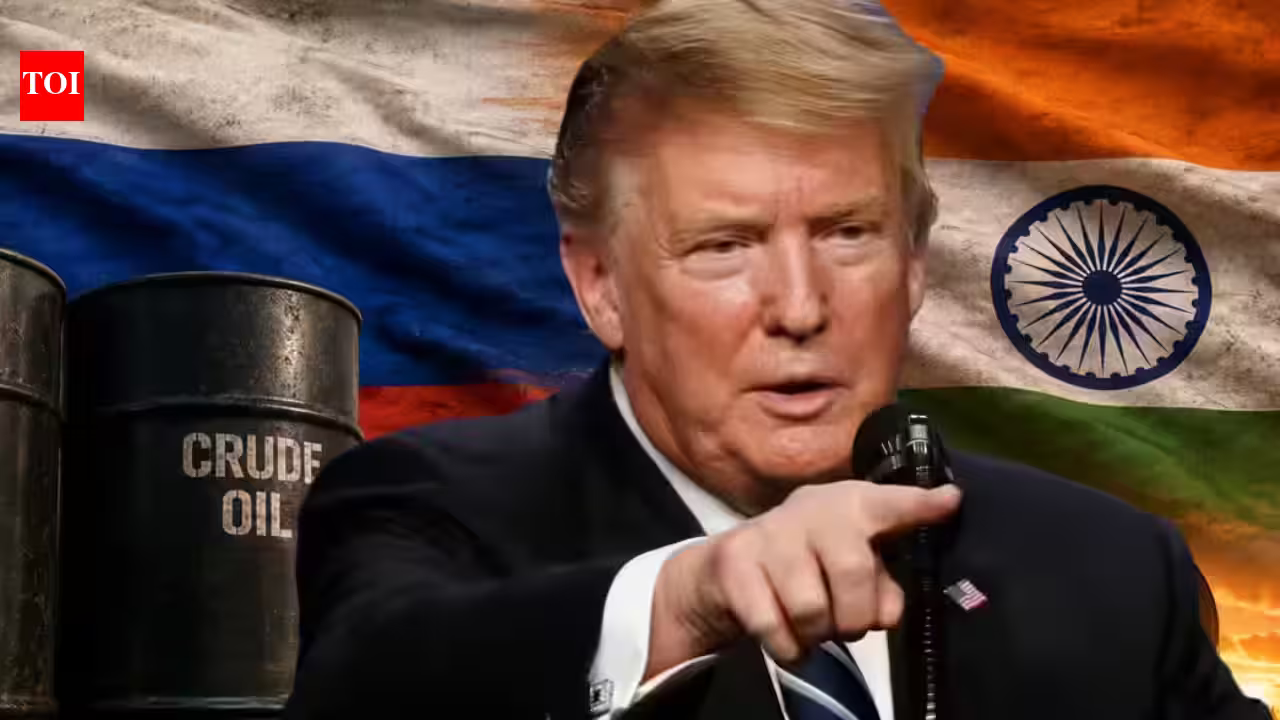







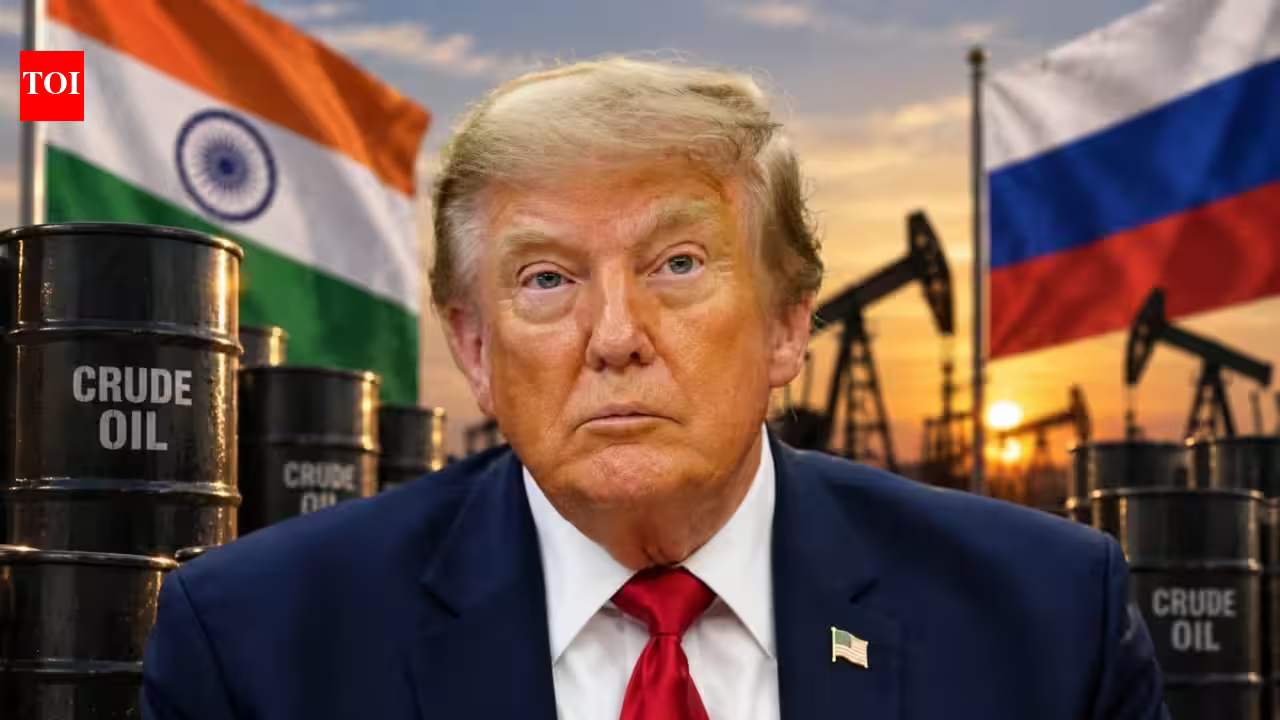
The passage of the Lindsey O. Graham Sanctioning Russia and Iran Act of 2026 by the US House of Representatives marks a significant escalation in the economic measures directed at countries maintaining energy ties with Moscow. By granting the US President the authority to impose tariffs of up to 100% on nations importing Russian crude oil, the legislation positions the United States at a crossroads of geopolitical strategy and global energy economics. For India, which has successfully balanced its energy security requirements with complex international relations, this legislative development introduces a layer of uncertainty that threatens to disrupt bilateral trade and domestic energy pricing.
Understanding the Mechanics of the Sanctioning Act
The legislative framework, having secured bipartisan support in both the House and the Senate, serves as a mechanism to tighten the financial and logistical grip on Russia’s energy and defense sectors. While original proposals toyed with even higher tariff thresholds, the current ceiling of 100% remains a potent tool. The legislation specifically targets the “shadow fleet” of tankers—vessels often operating outside formal international maritime regulations—that Russia utilizes to circumvent established sanctions.
For the US administration, this bill provides a legislative mandate to exert pressure on major importers, including India, China, Slovakia, Hungary, and Azerbaijan. The core objective is to reduce the inflow of capital into the Russian economy, which the US asserts funds the ongoing conflict in Ukraine. However, the application of such tariffs is not automatic; it rests on the discretion of the President. This creates a state of “legislative overhang,” where the mere threat of 100% tariffs can be used as a diplomatic lever to steer the trade policies of partner nations.
India’s Shift Toward Russian Energy
India’s integration of Russian crude oil into its energy basket has been a defining feature of the country’s post-2022 import strategy. Prior to the geopolitical instability in Eastern Europe, Russian oil accounted for a negligible percentage of India’s total imports. As Western sanctions forced European markets to pivot away from Russian energy, the resulting surplus and deep price discounts made Russian crude an economically logical choice for India’s refining sector.
By the end of 2025, the share of Russian oil in India’s import mix had surpassed 30%. This dependence grew even more pronounced throughout 2026, driven by persistent supply chain disruptions in the Middle East resulting from the US-Iran conflict and regional instability. In July 2026, Russian crude comprised more than half of India’s total oil imports. The Global Trade Research Initiative (GTRI) reports that out of India’s $134.7 billion total crude import bill for FY2026, over $40 billion was directed toward Russian supplies. For India, this procurement is not merely about arbitrage but serves as a vital safeguard for energy security in a volatile global market.
Economic Implications and Trade Friction
The prospect of a 100% tariff regime poses a genuine threat to India’s export competitiveness. The US remains one of India’s most critical trading partners, and any move to increase duties on Indian goods could create a cascading effect across sectors, including pharmaceuticals, textiles, and information technology. Previous iterations of trade pressure, where India faced 25% penal tariffs, demonstrated how quickly bilateral relations could sour under the weight of protectionist measures.
Analysts argue that the application of such extreme tariffs would be counterproductive, punishing not only Indian exporters but also American consumers by inflating energy costs and disrupting established supply chains. Ajay Srivastava, founder of the GTRI, has characterized the move as a blunt instrument that complicates the possibility of equitable bilateral trade agreements. He emphasizes that India’s purchase of Russian oil is a defensive measure to ensure affordable energy for a population of 1.4 billion, rather than an endorsement of the conflict in Ukraine. If the US persists in using unilateral tariff power, it risks undermining the strategic partnership it has cultivated with New Delhi over the past decade.
Energy Security vs. Diplomatic Pressure
The history of India-US trade negotiations suggests that while tariffs are a common tool of coercion, they have been historically less effective than direct sanctions on financial and logistical infrastructure. In the early months of 2026, India briefly scaled back Russian oil imports when the US imposed sanctions on major Russian firms like Lukoil and Rosneft. These sanctions rendered the logistics of payment and insurance unviable, which was a far more significant deterrent than the 18% tariff rates enforced at the time.
However, once the US-Iran conflict triggered a global energy crisis, the necessity of maintaining a steady supply of crude overrode external pressure. India’s decision to prioritize its energy security during periods of supply chain collapse confirms that in the face of direct fuel shortages, domestic requirements take precedence over international trade grievances. Experts in the refining sector, such as those at Kpler, point out that Russian crude acts as the primary hedge against global price volatility. Unless alternative, equally affordable, and reliable supply chains are restored in the Middle East, a total shift away from Russian imports remains unlikely.
The Future of India’s Energy Mix
The long-term strategy for India is clearly rooted in diversification. By procuring crude from over 40 countries, India has attempted to insulate itself from being overly reliant on any single source. Yet, the reality of the global market dictates that when the Strait of Hormuz is compromised or regional pipelines in the Middle East are attacked, the options for securing high-volume, cost-effective energy become extremely limited.
The passage of the new US legislation acts as a permanent backdrop to future trade talks. Whether the Trump administration proceeds with the 100% tariff threat depends on whether Washington views the energy crisis as a transient state or a permanent shift. For India, the path forward involves continuing to use the diplomatic space available to defend its legitimate energy interests while simultaneously modernizing its refining capabilities to handle a wider array of global crude varieties. Until the bottlenecks in the Middle East ease, India is expected to maintain its current import strategy, keeping a close watch on how Washington navigates the intersection of its new legislative powers and the pragmatic realities of global energy trade. Should the US opt for full-scale tariff implementation, the trade relationship will inevitably face a period of volatility that may force India to accelerate its push for energy self-sufficiency and alternative payment architectures.
Disclaimer: This content is auto-generated for informational purposes only.
Source: Read Original News