






Supreme Court to Hear INDIA Bloc’s Interrogatories in Electoral Roll Revision Case
New Delhi – The legal battle concerning the nationwide Special Intensive Revision (SIR) of electoral rolls has reached a critical juncture. The Supreme Court of India has formally agreed to hear an application moved by the Leader of Opposition in the Lok Sabha, Rahul Gandhi, and other senior leaders of the Indian National Developmental Inclusive Alliance (INDIA) bloc. The coalition is seeking judicial permission to deliver 48 specific interrogatories—formal written questions—to the Election Commission of India (ECI), aiming to bring greater transparency to the ongoing voter verification process.
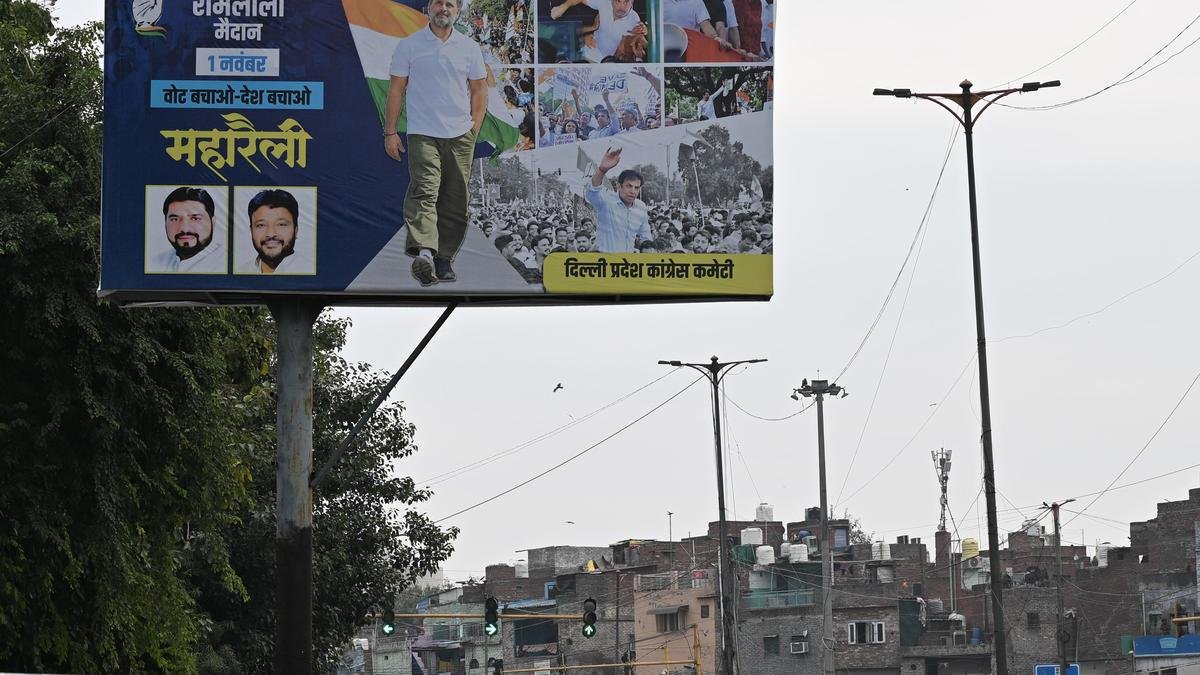
The move comes amid escalating tensions between the Opposition and the poll body, which have been punctuated by public protests, including a notable demonstration near Ramlila Maidan earlier this month. The INDIA bloc’s legal strategy centers on probing the administrative and technical integrity of the SIR, a process they allege lacks the necessary internal safeguards and oversight.
Probing the Mechanism of Change
The core of the petitioners’ argument rests on the need for absolute clarity regarding how the ECI authorizes its sweeping electoral exercises. The 48 questions prepared by the alliance seek to unravel the internal decision-making processes of the Commission. Specifically, the INDIA bloc intends to ascertain whether the three-member Commission acted with collective consensus or if unilateral decisions were taken during the implementation of the SIR.
Furthermore, the questions aim to clarify the provenance of recent procedural changes. The petitioners have asked for detailed disclosures regarding who specifically approved the modifications to voter registration workflows and the underlying digital systems governing the national electoral database. By compelling the ECI to respond under oath, the Opposition hopes to determine if these systemic adjustments conform to the established constitutional mandates and statutory protocols of the Representation of the People Act.
Legal and Political Implications
The Supreme Court’s decision to entertain these interrogatories is seen as a significant development, as it moves the court beyond mere procedural review into the mechanics of institutional governance. By allowing these questions, the judiciary has created a framework to examine whether the ECI’s digital infrastructure—which serves as the backbone of Indian democracy—is vulnerable to opaque administrative alterations.
For the INDIA bloc, this legal challenge is part of a broader campaign to question the impartiality of the Election Commission. The coalition has frequently criticized the leadership of Chief Election Commissioner Gyanesh Kumar, alleging that the Commission has prioritized executive convenience over electoral transparency.
“The sanctity of the voter roll is the foundation upon which the democratic mandate rests,” a spokesperson for the Opposition remarked following the court’s announcement. “If the Commission cannot explain the ‘who, how, and why’ behind its digital updates, the entire credibility of the electoral process remains under a cloud.”
A Nation Watches
The Election Commission is now expected to prepare a formal response to the Court regarding these inquiries. Legal experts suggest that the outcome of this hearing will have long-term implications for the ECI’s autonomy. If the Court mandates that the Commission answer these questions in detail, it would set a precedent for greater judicial scrutiny over the internal digital and administrative operations of independent constitutional bodies.
As the matter proceeds, the political temperature remains high. With the next phase of the judicial review approaching, the debate over electoral integrity continues to serve as a primary flashpoint in the broader discourse between the governing coalition and the Opposition, ensuring that the functioning of the Election Commission remains at the center of the national conversation.
Disclaimer: This content is auto-generated for informational purposes only.
Source: Read Original News