







Geopolitical Crossroads: Assessing European Resolve and the Trump Factor in the Ukraine Conflict
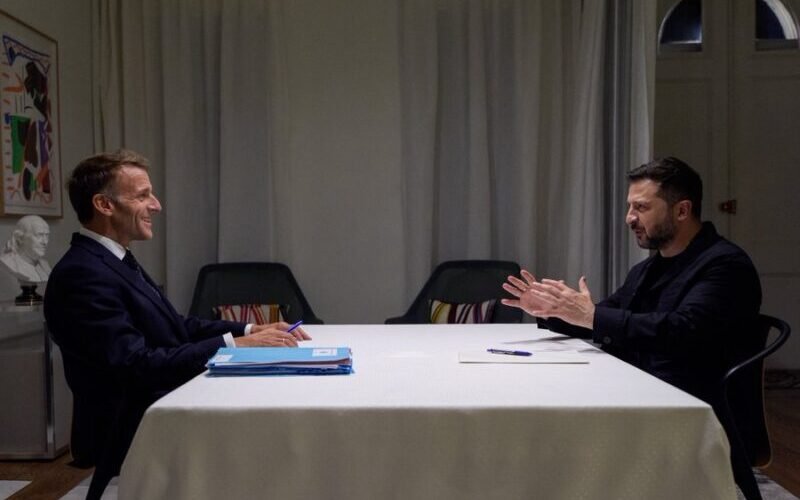
New York City — As the ongoing conflict in Ukraine enters a critical phase, the diplomatic discourse surrounding Western support has intensified. Recent developments, including high-level consultations between Ukrainian President Volodymyr Zelensky and French President Emmanuel Macron on the sidelines of international gatherings in New York, have underscored the fragile nature of global alliances. With front-line reports suggesting that Ukrainian forces are successfully pushing back Russian positions, the focus has shifted toward the sustainability of European military and financial aid, particularly in the shadow of shifting political winds in the United States.
The European Strategy vs. American Uncertainty
The current geopolitical climate is defined by a stark contrast between consistent European commitment and the growing unpredictability of the U.S. political apparatus. Analysts highlight that while nations across Europe remain largely unified in their intent to bolster Ukraine’s defensive capabilities, the shadow of a potential return to isolationist policies remains a point of contention.
Central to this debate is the stance of Donald Trump. Observers note that his historical affinity for Russian President Vladimir Putin, coupled with his administration’s past support for hard-right, populist movements across the European continent, has created significant anxiety among NATO allies. The question of whether a future Trump administration would implement new, robust sanctions against Moscow—or conversely, attempt to dismantle existing leverage—remains a primary concern for policymakers in Brussels and Kyiv alike.
Challenging the Counter-Narrative
Recent public forums and broadcasts, including high-profile panel discussions on international affairs, have served as a microcosm for the broader ideological battle over the war. Experts like Cormac have pushed back against alternative narratives often presented by geopolitical commentators who suggest that Western resolve is crumbling or that the war is moving toward a stalemate entirely unfavorable to Kyiv.
During recent debates, there was a pointed effort to dismantle assertions made by figures such as Pathikrit Payne and Greg Simons. These critics have often questioned the efficacy of continued Western intervention. By countering disinformation regarding the state of the front lines and the motivations of European leaders, advocates for Ukraine argue that the prevailing narrative of “fatigue” is premature. Instead, they maintain that the Ukrainian military’s recent successes prove that targeted, sustained support is not only functional but essential for a long-term resolution.
The Stakes of International Diplomacy
As the autumn of 2026 progresses, the synergy between Kyiv and its European partners will likely be tested by the economic realities of a protracted conflict. The diplomatic efforts led by President Macron and his counterparts are viewed as a vital buffer against the potential volatility of the American political cycle.
For India and other global powers watching from the sidelines, the situation presents a complex puzzle. The conflict has forced a re-evaluation of international security architectures, with many nations wary of being caught in the crossfire of a shifting transatlantic relationship. As the rhetoric on the global stage grows sharper, the primary concern remains whether the diplomatic infrastructure currently in place can withstand the dual pressures of battlefield developments and the uncertainty of future U.S. foreign policy mandates.
Ultimately, the consensus among observers is that the outcome of the war will depend as much on the endurance of political coalitions as it does on the tactical prowess of forces on the ground. Whether European unity can compensate for the potential retreat of American engagement remains the defining geopolitical question of the year.
Disclaimer: This content is auto-generated for informational purposes only.
Source: Read Original News