






The Silent Decline of Residential Heating Efficiency
Modern homes rely on sophisticated climate control systems to maintain thermal equilibrium, yet the furnace remains one of the most neglected components of domestic infrastructure. As a mechanical system, a furnace undergoes constant physical stress, thermal cycling, and oxidation. Over time, these factors lead to a measurable loss in punch—a technical way of describing a decrease in heat output, combustion efficiency, and overall energy conversion performance.
When a furnace loses efficiency, it does not necessarily cease functioning. Instead, it enters a state of degraded operation where it must work longer and harder to achieve the same set point on a thermostat. This phenomenon is often the result of microscopic buildup on heat exchangers, degradation of ignition components, or restricted airflow due to particulate accumulation within the blower assembly. Understanding these technical failures is the first step in diagnosing why a home that was once comfortably warm now feels perpetually chilly during peak winter months.
Technical Drivers of Performance Degradation
The primary mechanism behind reduced furnace effectiveness is the gradual degradation of the heat exchanger. In a gas-fired unit, the heat exchanger is responsible for separating combustion gases from the indoor air supply. Over years of thermal expansion and contraction, hairline fractures or heavy soot deposits can form. Soot acts as an insulator, preventing the metal from transferring heat efficiently into the airflow, which forces the burners to run longer, thereby wasting fuel.
Beyond the combustion chamber, blower motor efficiency plays a critical role. If the motor capacitor—the component responsible for providing the initial torque to spin the fan—begins to fail, the blower may operate at a lower rotational speed than factory specifications. This reduction in volumetric flow rate means that air spends too much time inside the furnace cabinet, potentially triggering high-limit switches that cause the system to cycle off prematurely. This leads to the phenomenon of short-cycling, where the furnace runs in frequent, ineffective bursts, failing to heat the home evenly.
The Role of Sensors and Calibration
Modern furnaces are increasingly dependent on arrays of sensors, including flame sensors, thermal fuses, and pressure switches. As these components age, their electrical resistance can drift, leading to erratic performance. A dirty flame sensor, for instance, often develops a layer of carbon buildup that prevents it from properly sensing the ionization current of the pilot flame. This causes the control board to believe the burner failed to ignite, triggering an automatic safety shutdown.
Calibration is another factor that often goes overlooked. Modern high-efficiency furnaces use complex algorithms to manage the gas-to-air ratio during combustion. If the intake or exhaust venting systems have any partial obstructions—such as debris or ice buildup—the pressure sensors will detect a lack of adequate draft. The system then compensates by modulating the gas valve, often resulting in a diminished thermal output. Recalibrating these systems requires professional equipment capable of measuring manifold pressure and carbon monoxide concentrations, ensuring that the unit is not only heating effectively but doing so safely.
Impact on Energy Consumption and Utility Costs
The loss of furnace performance has a direct correlation with household energy expenditure. When a system functions at 80 percent efficiency rather than its original 95 percent rating, the gap is made up by increased consumption of natural gas or electricity. This not only spikes utility bills but also increases the mechanical wear on the entire heating system. Because the furnace must remain active for extended periods, the blower motor, inducer motor, and ignition system reach their operational end-of-life cycles significantly faster.
Furthermore, the environmental impact of a degraded furnace is substantial. Inefficient combustion leads to higher emissions of unburned hydrocarbons and particulate matter. For homeowners, this translates into a hidden cost: the cost of deferred maintenance. Investing in annual professional cleanings, including the chemical descaling of heat exchangers and the testing of control board capacitors, often offsets the increased utility costs and prevents the catastrophic failure of the entire HVAC system during the coldest months of the year.
Advancements in Predictive Diagnostics
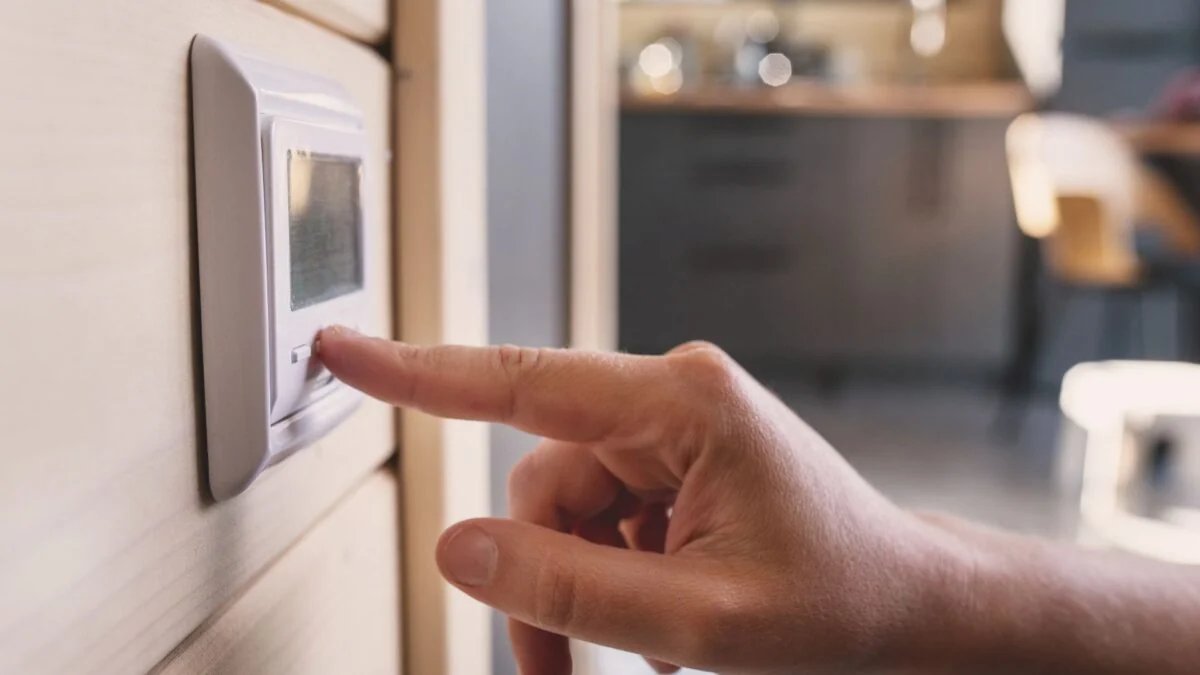
The future of residential heating lies in the integration of predictive maintenance technology. Many modern smart thermostats now come equipped with algorithms that analyze the heating curve of a home. By measuring how quickly the temperature rises after a furnace cycle begins, these devices can identify signs of degradation before a complete breakdown occurs. If the furnace takes five minutes longer to reach the target temperature compared to the previous month, the system can flag a potential issue with the blower or burner assembly.
These diagnostic tools are changing the landscape of home maintenance. Rather than waiting for a complete system failure, homeowners can receive alerts based on real-time telemetry. Integrating these sensors into the furnace control board allows for a granular view of performance metrics, such as airflow velocity, fuel consumption rates, and diagnostic error codes. As these technologies become standard, the “loss of punch” in home furnaces will become a manageable metric that can be corrected through simple adjustments rather than expensive, reactive emergency repairs. By shifting from reactive to proactive maintenance, homeowners can extend the lifespan of their equipment and ensure consistent climate control throughout the winter season.
Disclaimer: This content is auto-generated for informational purposes only.
Source: Read Original News