








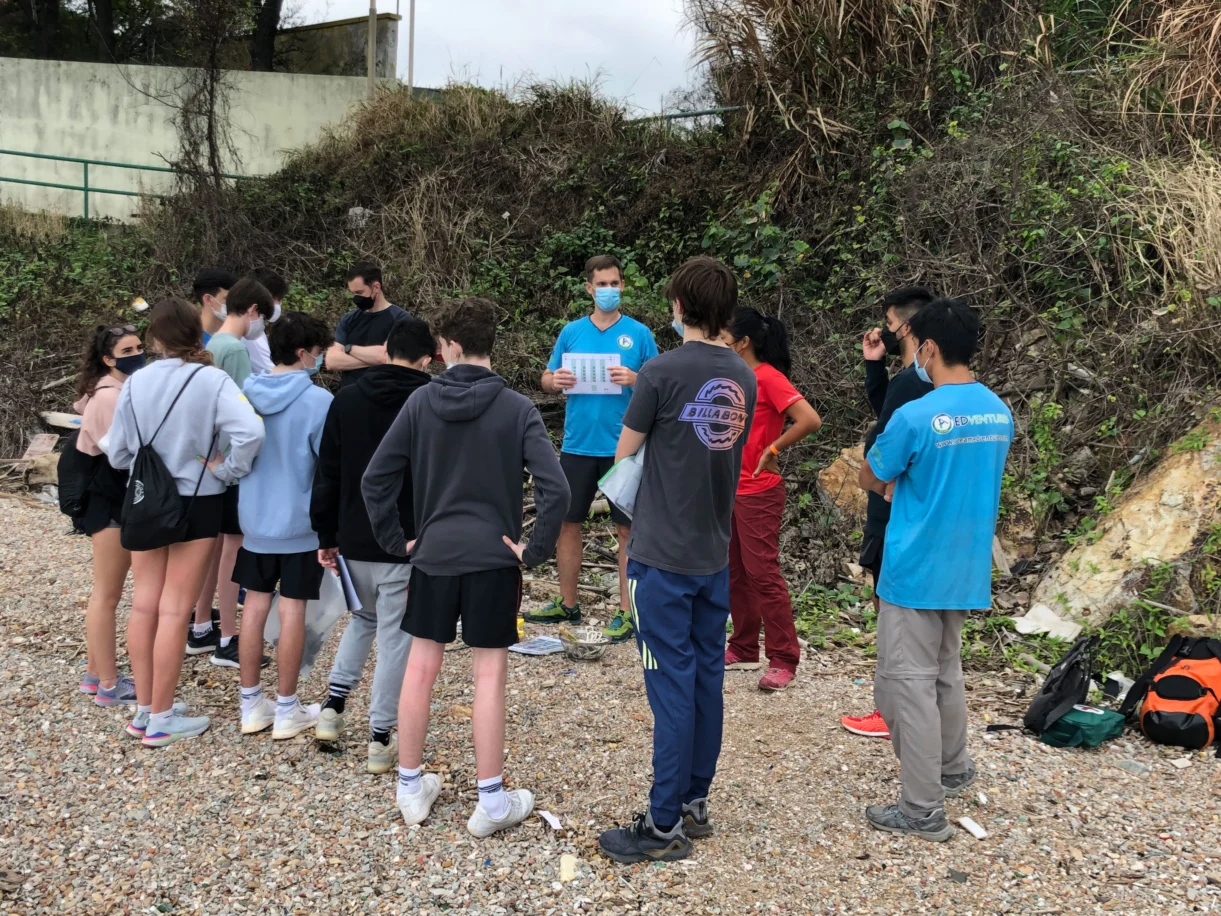
Citizen science (CS) is increasingly recognized as a powerful bridge between scientific research and societal engagement, particularly in the realm of environmental education. A recent study conducted across eight schools in Hong Kong has provided new insights into how participating in these projects influences the environmental values, attitudes, and behaviors of young people. By integrating students into both contributory and co-created research initiatives, the study offers a nuanced look at how experiential learning shapes the next generation’s relationship with the natural world.
The research team, working with students and educators in both local and international school settings, utilized an adapted behavior psychology framework to measure the impact of CS activities. By administering surveys before and after specific projects, the researchers were able to track shifts in how students perceived environmental challenges and their own capacity to address them.
The findings reveal a complex picture of environmental education. Overall, the researchers observed a positive correlation between participation in CS projects and the adoption of pro-environmental behaviors. When students move beyond theoretical classroom learning to active involvement in data collection or research design, they demonstrate a higher likelihood of adopting sustainable habits in their daily lives.
However, the study also highlights unexpected psychological challenges. Notably, some participants reported a decline in their perceived self-efficacy—a measure of one’s belief in their ability to exert control over their own level of functioning and environmental events. This trend was particularly evident among female students. Furthermore, the sheer scale of the environmental issues being studied occasionally led to a sense of “eco-despair,” where students felt their personal contributions were insignificant in the face of global crises. These findings suggest that while direct exposure to environmental problems is educational, it must be balanced with pedagogical strategies that foster empowerment and agency.
A significant revelation of the study is the critical role of nature-based exposure. Among all variables measured, the length of time spent in natural environments emerged as the most powerful predictor of whether a student would continue to engage in pro-environmental behavior after the project concluded. This underscores a vital takeaway for educators: CS projects are most effective when they are not confined to digital platforms or classroom discussions, but are instead firmly rooted in direct interaction with local ecosystems.
The study advocates for a strategic approach to curriculum design. By leveraging contributory CS projects—where students collect data for larger scientific goals—educators can build a foundation for more complex, co-created research. This progression allows students to transition from passive learners to active, engaged researchers, deepening their investment in environmental issues.
Furthermore, the authors note that CS has the potential to create more equitable learning opportunities. Because these projects often remove the barriers to entry associated with traditional research environments, they allow for a more diverse group of students to participate in scientific inquiry. This accessibility is essential for cultivating a scientifically literate citizenry equipped to tackle modern environmental challenges.
As schools look for ways to make environmental education more meaningful, the results from Hong Kong suggest that the solution lies in a blended approach. By combining structured research activities with significant time spent outdoors, educators can maximize the positive impacts of citizen science while mitigating the risks of student burnout or feelings of inadequacy. The goal for future environmental programming should be to balance the rigorous, data-driven nature of scientific inquiry with the fostering of personal confidence, ensuring that students feel capable of contributing to a more sustainable future. The evidence clearly points toward a model where science, society, and the natural world are inextricably linked, providing the necessary tools for the youth of today to become the stewards of tomorrow.
Disclaimer: This content is auto-generated for informational purposes only.
Source: Read Original News