







India and Liberia Forge Strategic Partnership to Bolster Maritime Security
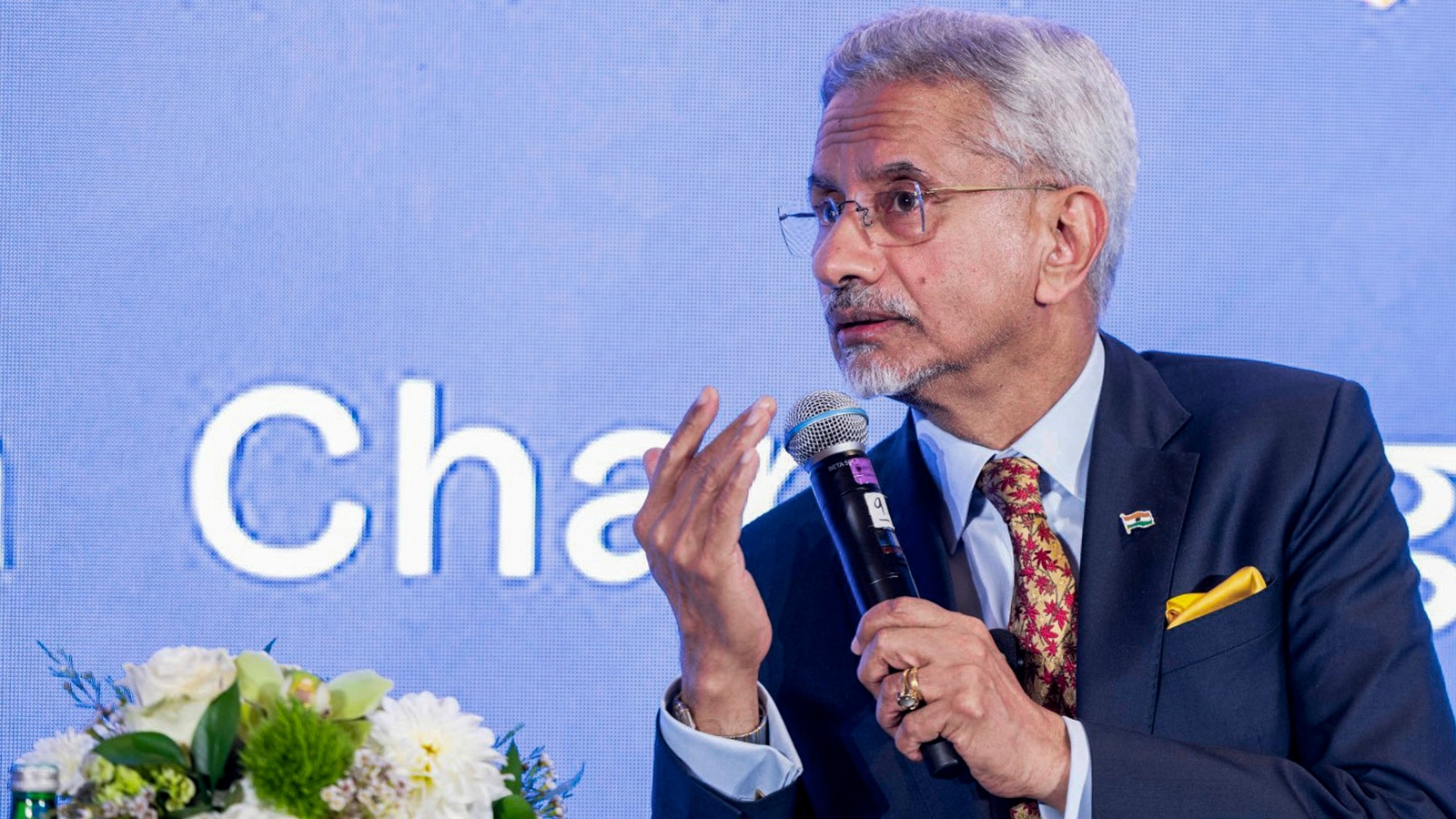
New Delhi: In a significant move aimed at fortifying global maritime safety, External Affairs Minister (EAM) S Jaishankar announced that India and Liberia have formally joined hands to address the growing challenges surrounding the security of merchant vessels and the welfare of seafarers. The collaboration, unveiled following high-level diplomatic discussions, marks a pivotal shift in how the two nations intend to tackle piracy, illegal trafficking, and safety protocols on the high seas.
A Shared Vision for Maritime Stability
During his engagement with Liberian counterparts, EAM Jaishankar emphasized that the maritime domain is the backbone of the global economy, necessitating a collective approach to mitigate risks. Liberia, which holds a prominent position in global maritime registries, is a critical partner for India in ensuring that trade routes remain open and secure.
“Our partnership with Liberia is built on the shared understanding that the safety of our ships and the wellbeing of the brave men and women who navigate our oceans are paramount,” Jaishankar stated. The initiative focuses on institutionalizing information sharing, enhancing surveillance capabilities, and creating a robust framework to protect commercial fleets from asymmetric threats.
Addressing the Human Element of Shipping
While technological advancements in navigation are crucial, the human element remains the most vulnerable aspect of maritime operations. India, being a massive supplier of skilled seafarers to the global shipping industry, has expressed deep concern over the rising incidents of crew abandonment and insecurity in conflict-prone zones.
Under this new bilateral agreement, both nations have committed to streamlining legal procedures for the repatriation of distressed seafarers. The collaboration aims to provide a rapid response mechanism for crew members who find themselves in precarious situations due to geopolitical instability or ship-owner negligence. By synchronizing their regulatory frameworks, India and Liberia seek to establish a “safety corridor” of best practices that can serve as a model for other maritime nations.
Strategic Geopolitical Implications
The timing of this announcement is particularly significant as global supply chains face increasing disruptions from regional conflicts and maritime piracy in key chokepoints. By deepening ties with Liberia, India is effectively expanding its diplomatic footprint in the Atlantic and West African regions, areas that are increasingly vital for India’s energy security and resource procurement.
Analysts suggest that this synergy is not merely about security but also about economic diplomacy. As India pushes to modernize its own ports and expand its shipping capacity under the ‘Sagarmala’ project, aligning with a major ship-registry nation like Liberia provides New Delhi with a seat at the table where international maritime standards are shaped.
Moving Toward a Collaborative Future
The joint statement concluded with a pledge to continue periodic ministerial consultations to monitor the progress of this security framework. Both countries have agreed to invest in training programs for maritime personnel, focusing on emergency management and digital security to counter cyber threats targeting modern vessel systems.
As global dependence on sea-borne trade intensifies, the India-Liberia partnership stands as a proactive response to the complexities of the 21st-century maritime environment. By prioritizing the safety of the vessel and the dignity of the seafarer, the two nations are setting a standard for international cooperation, proving that maritime security is not a localized concern, but a shared global responsibility.
Disclaimer: This content is auto-generated for informational purposes only.
Source: Read Original News