








The Strategic Divide in Automotive Infotainment
The landscape of modern automotive technology is currently marked by a fundamental disagreement between luxury manufacturers and tech giants. At the heart of this friction is Apple’s “CarPlay Ultra,” an advanced iteration of the standard smartphone-mirroring interface. While many consumers view the integration of mobile operating systems into vehicles as a necessity, manufacturers like BMW are taking a firm stance against deeper levels of integration. By choosing to build out proprietary systems rather than ceding the dashboard to Apple, companies like BMW are essentially declaring that the future of the vehicle user experience is a proprietary asset, not a hosted service.
This divergence underscores a broader struggle for control over the digital cockpit. For years, CarPlay and Android Auto served as supplemental layers—simple conduits for maps, music, and messaging. CarPlay Ultra, however, represents a shift toward comprehensive system control, including instrumentation, climate control, and deep vehicle diagnostics. BMW’s decision to reject this shift highlights a strategic priority: the retention of vehicle data and the cultivation of a brand-specific digital ecosystem.
BMW’s Rationale for Rejecting Integration
BMW’s refusal to adopt CarPlay Ultra is rooted in two primary motivations: architectural autonomy and data governance. According to Claudia Maier, BMW’s manager of digital technology, the company’s decision is fundamentally philosophical. By developing its own software stack, BMW maintains complete custody of user data. This is a critical point of contention in an era where data privacy is a central concern for both consumers and regulators.
From the manufacturer’s perspective, allowing an external entity like Apple to govern the entire screen real estate and access granular vehicle telemetry introduces a security risk that they are unwilling to accept. By keeping data in-house, BMW ensures that sensitive information—ranging from location history to driving habits—remains within their own secure environment. Furthermore, BMW executives have expressed skepticism regarding the functional necessity of the Ultra platform. They maintain that their internal screen setups are already highly capable, offering a degree of integration with the vehicle’s hardware that an external, platform-agnostic system might struggle to replicate.
Understanding the CarPlay Ultra Platform
To understand the weight of this standoff, one must consider what CarPlay Ultra actually brings to the table. Unlike the version of CarPlay currently present in millions of vehicles, which is constrained to a specific infotainment display, the Ultra platform is designed to take over the entirety of the vehicle’s digital interface. This includes the instrument cluster behind the steering wheel, heads-up displays, and the primary touch-enabled center console.
The platform provides a unified visual language across all displays, creating a seamless transition between vehicle functions and personal smartphone applications. It allows for the customization of gauges, speedometer layouts, and even the integration of climate controls into the Apple interface. For consumers, this implies a highly consistent experience that mimics the intuitive design of their mobile devices. For automakers, however, it represents a massive delegation of authority. Ceding the digital instrument cluster to a third party means handing over the core brand identity of the car’s interior, as the UI is no longer defined by the manufacturer, but by the operating system provider.
The Future of User Choice and Compatibility
While BMW has taken a hard line against the Ultra iteration, the company remains committed to supporting standard CarPlay and Android Auto. This creates a clear distinction in their product strategy: they are willing to provide a bridge for mobile phone connectivity, but they are not willing to surrender the foundational operating system of the vehicle. This approach offers a middle ground for consumers who prioritize ease of use without forcing them to rely exclusively on a manufacturer-built interface for every action.
This stance differs significantly from the trajectory taken by some competitors, such as General Motors, which has initiated moves to phase out smartphone projection entirely in favor of an integrated, subscription-based digital experience. By maintaining compatibility with standard smartphone projections while doubling down on their proprietary software, BMW is hedging its bets. They are betting that their own custom-built interface will provide enough value to discourage users from feeling a need for a more integrated, “ultra” experience, all while avoiding the user backlash associated with removing basic connectivity tools.
The Market Outlook for Next-Generation Infotainment
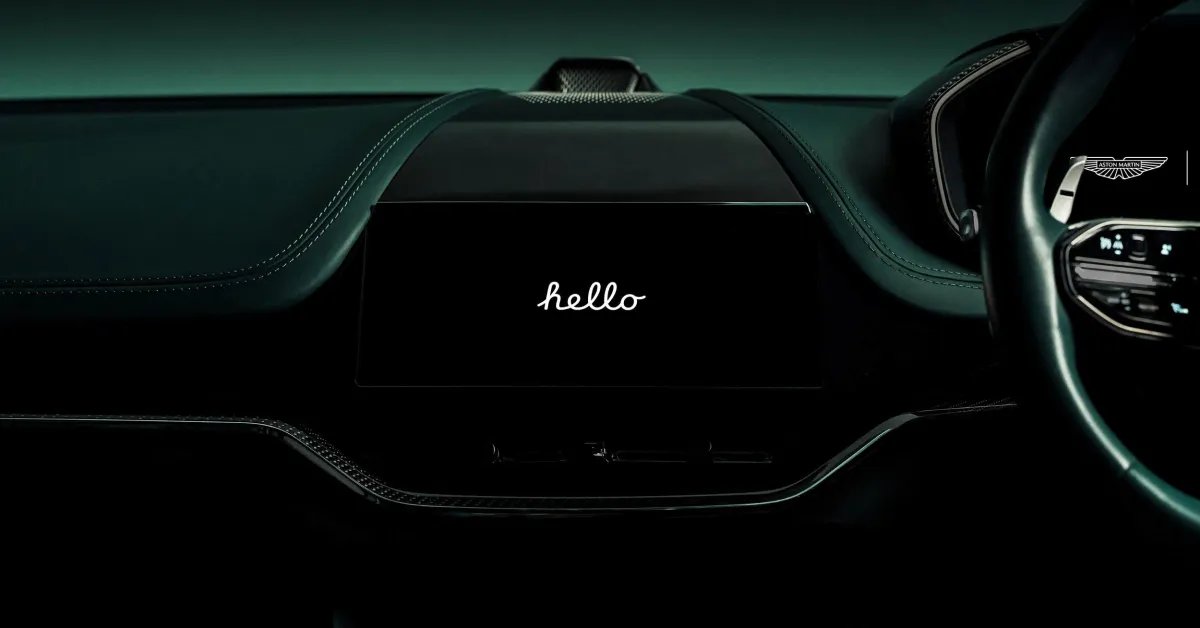
Currently, the presence of CarPlay Ultra in the automotive market remains extremely limited. Aside from its implementation in select Aston Martin models, widespread adoption by major manufacturers has yet to materialize. Although rumors have persisted regarding upcoming integrations from major global manufacturers, the industry remains in a state of hesitation.
The success of CarPlay Ultra will likely depend on whether Apple can convince automakers that the benefits of an improved user experience outweigh the loss of data control and brand identity. As software-defined vehicles become more prevalent, the cockpit will become the primary touchpoint for brand differentiation. If manufacturers believe that their own software can match the polish of Apple’s interface, the market will likely see a continued fragmentation where each brand pushes its own ecosystem. For now, the divide between those who embrace the “ultra” path and those who prioritize in-house data sovereignty suggests that the dashboard will remain a battleground for the foreseeable future.
Disclaimer: This content is auto-generated for informational purposes only.
Source: Read Original News