







WASHINGTON — The United States military launched precision airstrikes against three Iranian oil tankers in the Persian Gulf early Friday, marking a significant escalation in regional hostilities following what the Pentagon described as “unprovoked and dangerous” aggression toward U.S. naval vessels.
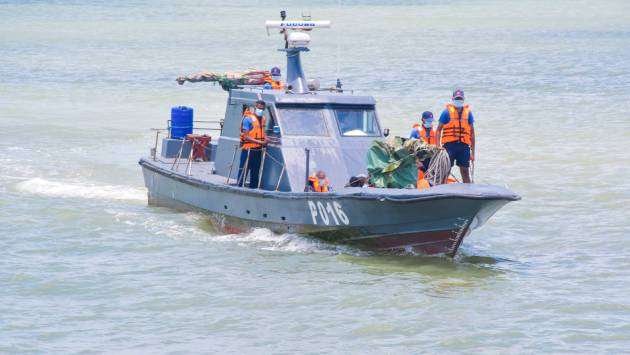
The retaliatory strikes, which occurred under the cover of darkness, targeted ships identified by U.S. Central Command as being directly linked to the Iranian Revolutionary Guard Corps (IRGC). According to senior defense officials, the operation was a direct response to two separate incidents earlier this week in which Iranian fast-attack craft allegedly attempted to swarm and harass two U.S. warships conducting routine operations in international waters.
“The United States will not tolerate threats to our sailors or our freedom of navigation,” Secretary of Defense Lloyd Austin said in a statement released shortly after the operation. “These strikes were necessary and proportionate. They send a clear message that attacks on American assets will carry a heavy cost.”
The strikes were carried out by carrier-based aircraft from the U.S.S. Abraham Lincoln strike group. Military spokespeople confirmed that the three tankers were disabled, though the extent of the environmental impact or potential casualties remained unclear as of Friday morning. Independent reports suggest that at least two of the tankers were carrying refined petroleum products, serving as vital economic conduits for Tehran.
The atmosphere in the Persian Gulf has been fraught with tension for months, but this week’s developments represent the most direct kinetic exchange between the two nations in years. Earlier in the week, the Pentagon released declassified footage showing Iranian boats closing within yards of a U.S. destroyer, maneuvers the Navy described as “reckless and unprofessional.” While no shots were fired during those initial encounters, military commanders argued that the pattern of behavior was intended to provoke a confrontation.
Tehran has yet to issue an official response, but state-affiliated media in Iran was quick to condemn the action, characterizing the strikes as an “act of piracy” and a “violation of international law.” Analysts warn that the incident could trigger a broader cycle of retaliation, potentially involving Iranian-backed proxy groups throughout the Middle East.
“This is the scenario we have been trying to avoid,” said retired Vice Admiral John Miller, a maritime security expert. “When you move from maneuvering in close proximity to the actual destruction of state-owned property, the risk of miscalculation shifts from a local tactical concern to a global strategic crisis.”
White House officials confirmed that President Biden was briefed on the strikes before they were carried out and that the administration remains in communication with regional allies to prevent further instability. As of midday Friday, global oil markets showed signs of volatility, with crude prices spiking in anticipation of potential disruptions to shipping lanes in the Strait of Hormuz.
The Pentagon has announced it is maintaining a heightened state of readiness in the region, citing the possibility of further Iranian aggression in the coming hours.
Disclaimer: This content is auto-generated for informational purposes only. It has been rewritten and paraphrased from the original source.
Source: Read Original News