








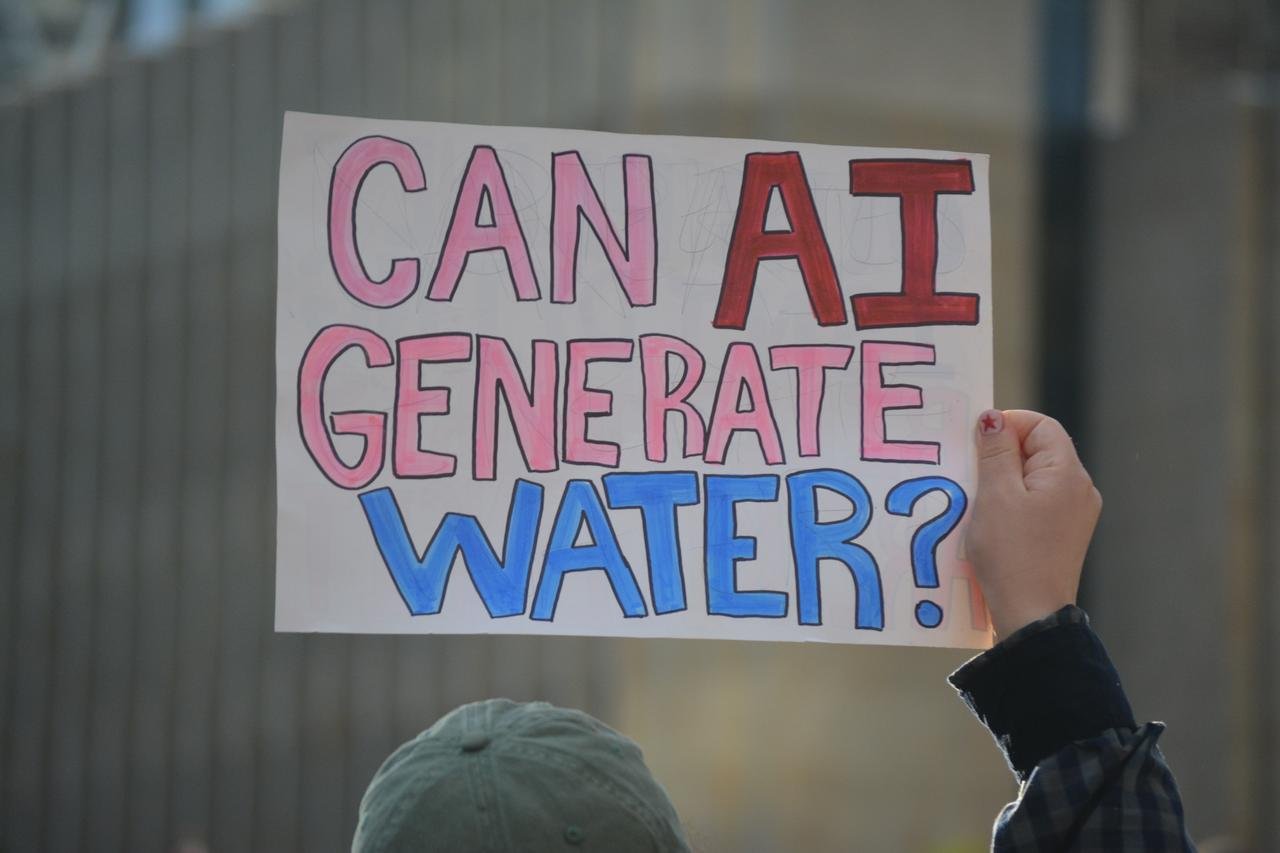
The rapid expansion of artificial intelligence is triggering a profound transformation in the global energy landscape, casting a sharp light on the environmental footprint of the massive data centers required to power these technologies. With the public increasingly wary of this growth—a recent poll indicated that approximately 90% of Americans feel more concern than excitement regarding the proliferation of AI infrastructure—the industry is facing mounting pressure to address its hidden environmental costs.
The core of the issue lies in the immense electricity demands of training and operating sophisticated AI models. While advancements in hardware efficiency have been made, they are being rapidly outpaced by the sheer volume of users and the rise of power-intensive applications. Among these, generative video models stand out, requiring thousands of times more energy than standard text queries. According to the International Energy Agency (IEA), electricity consumption by AI data centers surged by 50% last year alone. Projections from Our World in Data suggest that while data centers accounted for roughly 0.5% of global electricity consumption in 2025, that figure is expected to triple to 1.5% by 2030. In the United States, the impact is even more acute; the Lawrence Berkeley National Laboratory estimates that data centers could account for a staggering 12% of total U.S. electricity consumption by 2028.
This energy hunger brings significant health and environmental risks. Globally, roughly 30% of the electricity powering these facilities is sourced from coal, with another 26% coming from natural gas. The construction of new, gas-fired energy infrastructure to support AI in the United States is raising concerns over increased air pollution. Analysts estimate the cumulative public health costs associated with these emissions could reach $20 billion within the next three years.
Beyond electricity, water consumption has emerged as a critical concern. Data centers require vast amounts of water for cooling server equipment, a process that places immense strain on local supplies. Bloomberg analysis reveals that approximately two-thirds of U.S. data centers built or commissioned since 2022 are located in regions already facing water stress. Research from the University of California, Riverside, suggests that direct water consumption by U.S. data centers could climb to 110 billion gallons annually by 2030, while indirect water use for electricity generation in just seven states is estimated at 3.4 trillion gallons per year.
The physical presence of these facilities is also disrupting local environments. Communities near data centers have begun protesting and taking legal action against the noise pollution generated by constant cooling fans and backup generators. Furthermore, a study by Arizona State University in Phoenix suggests that the discharge of waste heat from these facilities may be elevating temperatures in downwind neighborhoods by up to 2.2 degrees Celsius (4 degrees Fahrenheit).
Finally, the environmental impact extends to the lifecycle of the hardware itself. The mining of minerals required for AI chips is associated with deforestation and toxic run-off, while the rapid turnover of server technology contributes to a growing electronic waste crisis, with only about 20% of such waste currently being recycled.
Despite these challenges, experts maintain that the environmental degradation caused by AI is not an inevitable outcome. Kaveh Madani, director of the United Nations University Institute for Water, Environment and Health, argues that the path forward requires rigorous oversight. He suggests that before new facilities are approved, developers must carefully evaluate the net benefit to local communities, including impacts on regional water users like farmers. Ultimately, regulating these environmental costs and prioritizing sustainable energy siting will be the deciding factors in whether the AI revolution can coexist with a stable climate and healthy ecosystem.
Disclaimer: This content is auto-generated for informational purposes only.
Source: Read Original News