








Flagstaff is undergoing a quiet but transformative shift as a surge in residential development begins to reshape the city’s notoriously difficult commercial real estate landscape. Long plagued by land-use constraints and a volatile labor market, the mountain town is now leveraging a “rooftops-first” strategy to create the stability that local businesses have historically struggled to maintain.
With major projects such as Timber Sky, Canyon del Rio, and the Lake Mary housing initiatives finally coming to fruition, the city’s residential vacancy rates have climbed to between 12% and 15%. While a tight housing market previously forced businesses to pay premium wages just to overcome the local cost-of-living crisis, this newfound inventory is expected to provide a crucial buffer, allowing the local workforce to reside closer to their places of employment.
## Solving the Workforce Bottleneck Through Housing
For years, Flagstaff’s economic health was hampered by an inability to retain staff. With a median household income hovering around $48,000, employees were often priced out by the very businesses they served. This labor scarcity forced employers into an unsustainable cycle of wage inflation, which, when coupled with soaring commercial interest rates, left many businesses unable to keep their doors open.
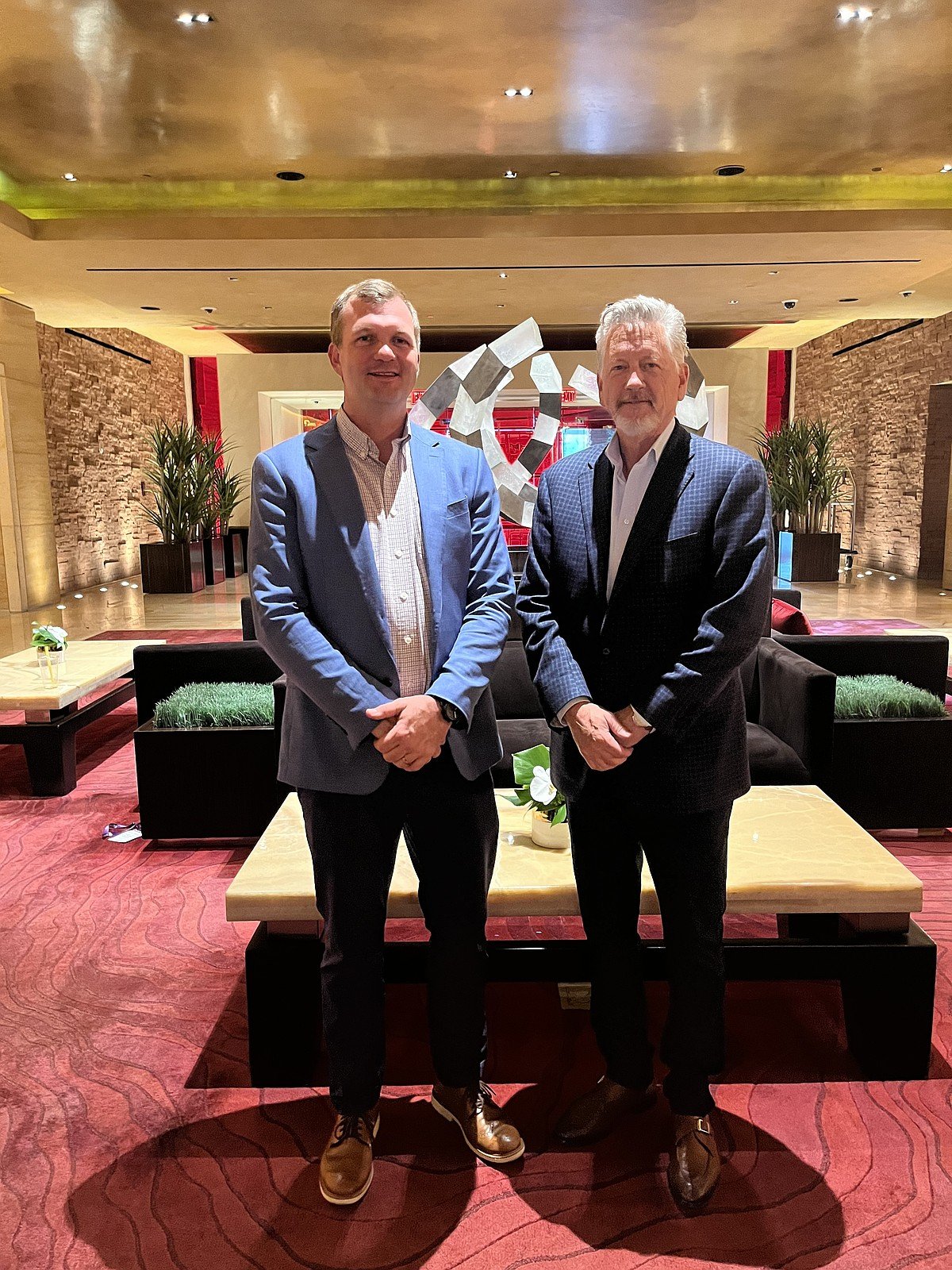
Local commercial real estate experts, including Allen Ginsberg of the Ginsberg Group at RE/MAX Fine Properties, note that the shifting financial climate has made investors more cautious. As commercial mortgage rates climbed from historical lows to the 7% range, asset values shifted, necessitating a new approach to development. By prioritizing housing, the city is attempting to stabilize the labor market, effectively turning residential growth into essential infrastructure for the private sector. David McIntire, the City of Flagstaff’s Community Investment Director, views this as a vital step in ensuring that the city’s workforce can actually afford to live within the community they support.
## Data-Driven Retail and the Power of Proximity
The “rooftops-first” model relies on a fundamental economic truth: consistent consumer demand follows local density. Unlike tourism-heavy revenue, which fluctuates with the seasons, a robust year-round residential population provides the steady daily traffic necessary for small businesses to thrive.
In the digital age, this shift is critical. Local retailers are currently competing with the convenience of global e-commerce giants and the expansive shopping hubs of the Phoenix metropolitan area. By densifying housing corridors—specifically areas like John Wesley Powell—the city is looking to keep more consumer spending within local boundaries. This creates a more resilient ecosystem where restaurants and storefronts can rely on a consistent neighborhood customer base rather than banking solely on the unpredictability of visitor surges.
## Balancing Tech, Innovation, and Geographic Constraints
Despite this optimism, Flagstaff remains a unique case study in economic planning. Because the city is largely surrounded by protected public lands, it cannot rely on traditional urban sprawl to expand its footprint. Instead, developers are increasingly turning toward adaptive reuse projects.
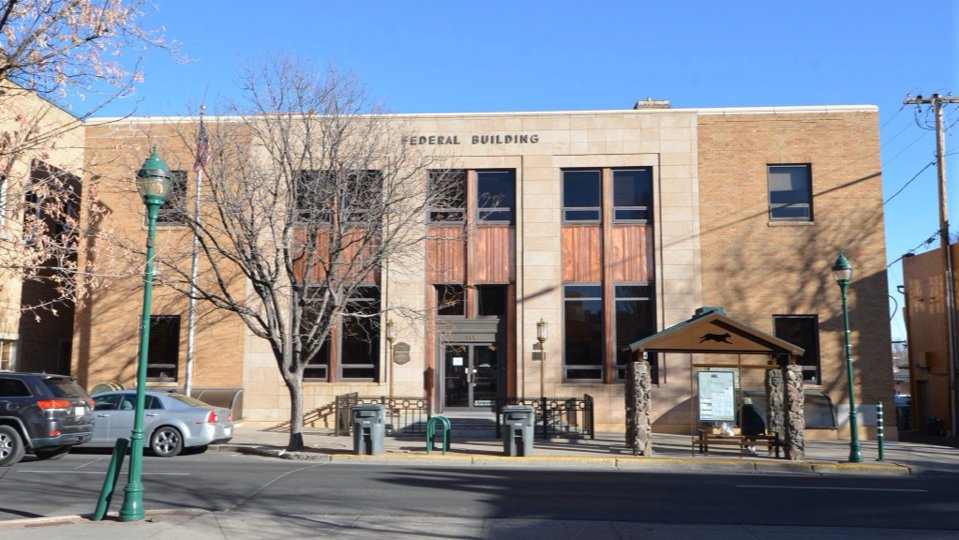
This is particularly relevant as the commercial sector faces a structural evolution. While demand for large, multi-tenant office buildings has softened significantly, there remains a persistent need for smaller, flexible workspaces—often in the 1,000-square-foot range—suitable for modern, agile businesses. City planners are optimistic that as they revitalize historic assets, such as the downtown Federal Building, these spaces can be repurposed to accommodate a modern workforce.
Ultimately, the goal is not rapid, unchecked expansion, but rather economic sustainability. By aligning residential capacity with commercial demand, Flagstaff is attempting to build a self-sustaining loop where talent is retained locally, business operating hours are stabilized, and the community’s infrastructure is modernized to support a long-term future. As the city continues to navigate its geographic limitations, the success of this strategy will likely serve as a blueprint for other high-cost mountain towns struggling to maintain a vibrant, local business culture.
Disclaimer: This content is auto-generated for informational purposes only.
Source: Read Original News