







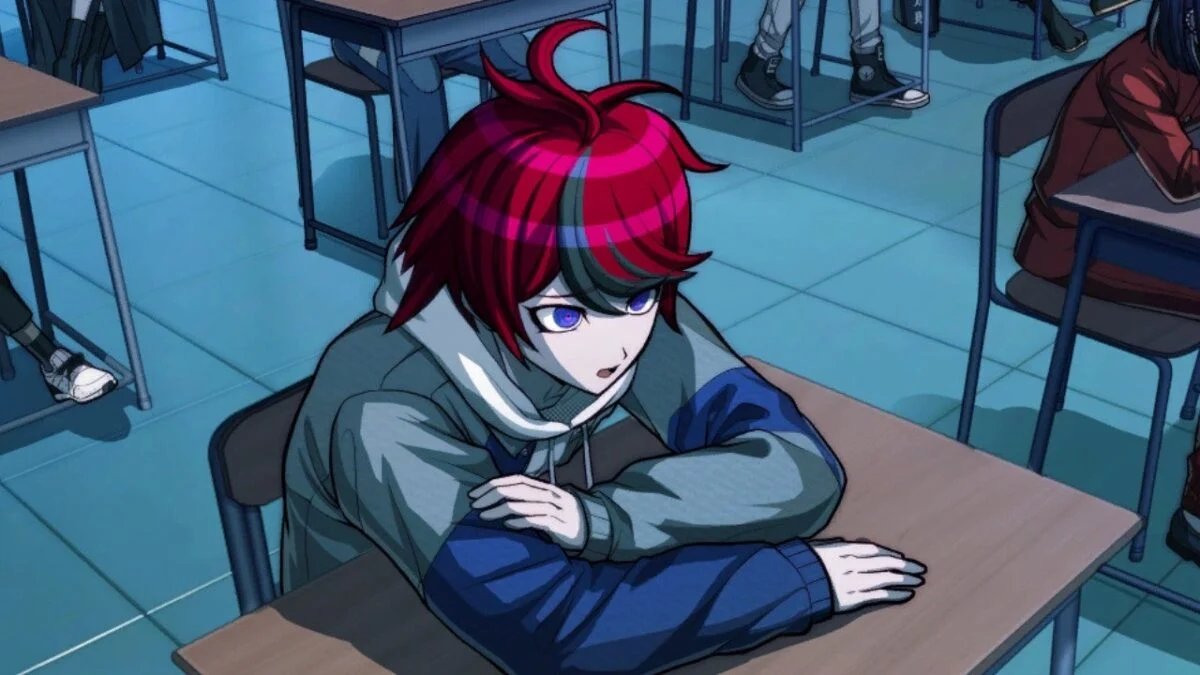
Why The Hundred Line: Last Defense Academy Turns Traditional Strategy RPG Mechanics on Their Head
The Hundred Line: Last Defense Academy has cemented its status as one of the standout titles of the past year, earning widespread critical acclaim for its ambitious narrative structure. While it excels as a visual novel, it is also a rigorous strategy RPG. For veterans of the genre, the experience might feel disorienting; whereas series like Fire Emblem have conditioned players to treat their units as precious, irreplaceable assets, The Hundred Line actively incentivizes players to treat their soldiers as disposable tools.
The Philosophy of the “Last Resort”
In a recent interview with Automaton, gameplay director Akihiro Togawa explained that this counter-intuitive design philosophy was intentional. Tasked with crafting a combat system that bridged the gap between complex strategy RPG mechanics and the preferences of a visual novel fanbase, the development team—led by industry icons Kazutaka Kodaka (Danganronpa) and Kotaro Uchikoshi (Zero Escape)—looked to the game’s central theme: “shishu,” or “to protect with one’s life.”
“I thought, ‘This is the exact opposite of Fire Emblem,’” Togawa remarked. In many tactical games, players fear permadeath, where losing a character means losing them forever. In The Hundred Line, however, death is not the end. Because characters are resurrected in the infirmary between battle waves, death becomes a resource. Players can activate a powerful “Last Resort” ability by sacrificing a character, clearing the field and turning the tide of battle at the cost of that unit’s current existence.
Deliberate Mechanics Over Narrative Stakes
Togawa noted that watching players evolve during streams was deeply satisfying. “I imagine there are many players who don’t want to let their characters die,” he said. “But as they keep playing, the feeling of, ‘Actually, it’s easier if I let this character die’ catches up with them. I was delighted to see that.”
During development, the team toyed with the idea of a “karma system” that would alter the story based on how often a player sacrificed their units. However, they ultimately scrapped the concept. Togawa explained that linking gameplay efficiency to narrative branching would have punished players for playing the game as intended.
“We wanted this to be a game where the player’s own choices were what mattered,” he stated. By keeping the combat mechanics separate from the story-altering choices of the visual novel segments, the developers ensured that players could focus on tactical brilliance without fear of inadvertently steering the narrative into unintended territory.
A Bright Future for Too Kyo Games
The Hundred Line: Last Defense Academy is currently available on PC and Nintendo Switch, serving as a must-play for fans of choice-driven, narrative-heavy gaming.
Looking ahead, Too Kyo Games is shifting focus toward its next major endeavor: Danganronpa 2×2. Developed in collaboration with the original series developer, Spike Chunsoft, the project promises to revitalize the murder-mystery franchise with a modernized retelling and an entirely new storyline featuring fresh culprits and victims. With its track record for defying genre conventions, the studio remains one of the most exciting creators in the industry today.