









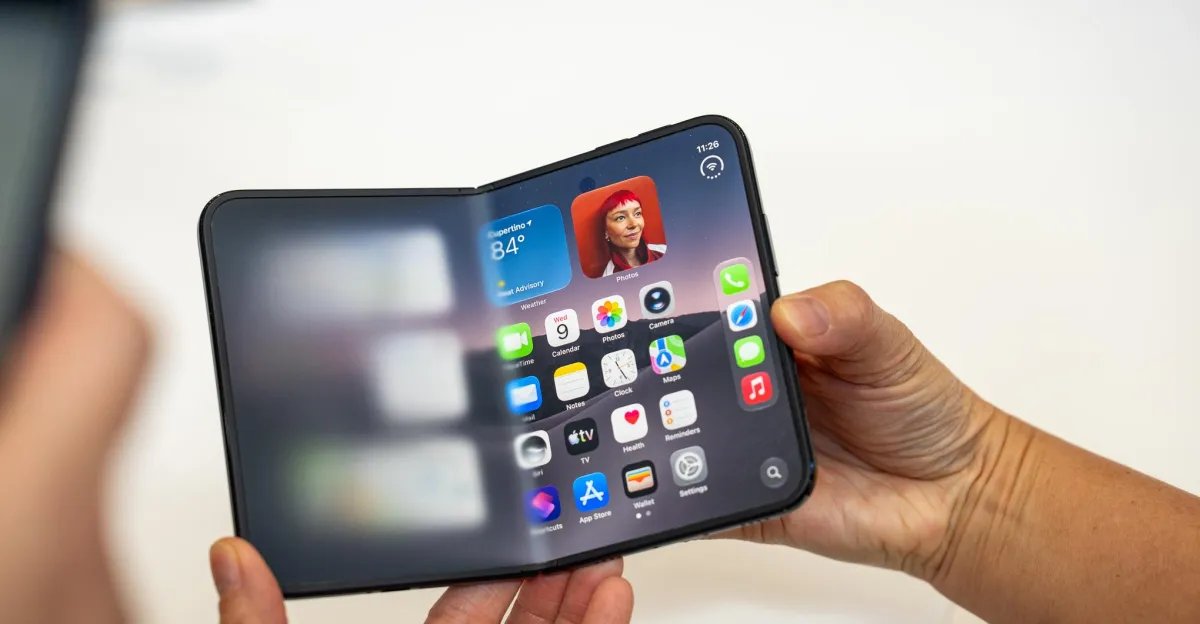
The iPhone Duo, Apple’s foray into the foldable smartphone market, has been in the hands of early adopters for just over two weeks. This initial period, consistent with standard retail return policies, has revealed a significant divide between the promise of a hybrid mobile device and the reality of daily usage. While the device continues to generate high demand—with current orders shipping into January—a segment of the inaugural buyer population has opted to return their units, citing technical limitations, physical design concerns, and shifts in workflow habits.
The Paradox of the All-in-One Device
A primary driver for the returns stems from the core functionality of the iPhone Duo as a two-in-one device. For many users, the transition from a traditional slab phone to a foldable screen was intended to consolidate digital tasks. However, in practice, this convergence introduced unexpected friction.
Some former owners noted that having one device function as both a phone and a small tablet complicates multitasking. For users accustomed to using an iPad as a secondary, stationary screen for media consumption or reference while performing other tasks on their phone, the Duo proved counterproductive. When the phone is the only hardware available, responding to a text message or checking a notification interrupts the primary screen activity. This realization highlights that for certain power users, the separation of hardware remains a functional requirement rather than a nuisance.
Hardware Reliability and First-Generation Constraints
As with most inaugural technology products, the iPhone Duo has encountered early technical obstacles. Reports of hinge instability and structural issues with the inner screen have surfaced, leading to concerns regarding long-term durability. These hardware challenges are particularly pronounced for a device commanding a 2,000-dollar price point.
Physical ergonomics also played a major role in the decision to return the device. Several users identified the weight and bulk of the handset as primary detriments to comfort. Because the design necessitates a larger chassis to accommodate the folding hinge and dual-screen assembly, the device feels heavy during extended usage sessions. For individuals who prefer lightweight, portable technology, the trade-off in screen real estate was insufficient to justify the increase in physical mass.
The Strength of the Apple Ecosystem
While some users turned away from the Duo due to its specific form factor, few left the broader Apple ecosystem. The decision to switch to a different brand of foldable phone was often precluded by a deep reliance on integrated services. Features like FaceTime, seamless synchronization across Mac and iPad, and iCloud integration acted as a barrier to entry for competing Android-based foldables.
For most users who returned the Duo, the move back to a standard “slab” iPhone—specifically the Pro or Pro Max models—served as an acknowledgement of the current maturity of standard designs. The experiment with the Duo reinforced a preference for established, reliable hardware over the experimental nature of a first-generation foldable.
Revisiting Smaller Form Factors
Interestingly, the experience of using the iPhone Duo influenced some users to reconsider their relationship with their mobile devices. For several former owners, the contrast between the expansive, heavy fold-out screen and standard models triggered a change in preference. Some users discovered that after testing the maximalist screen, they felt more compelled to prioritize device weight and pocketability. This has resulted in a trend of users downgrading from the larger Pro Max models to the standard Pro versions, favoring a more compact experience in their daily carry.
Perspectives on the Future of Foldables
Despite the return rate, the iPhone Duo has maintained a sense of novelty and innovation that keeps it relevant in the consumer tech discourse. Users who returned the device often expressed that while it was not the right fit for their specific lifestyle, they recognized the distinct change it represents in the market. The device has functioned as a testing ground, encouraging users to experiment with digital content creation, drawing, and mobile note-taking in new ways.
For those still waiting for their shipment or currently evaluating their unit, it is worth noting that Apple’s seasonal return window has been extended. Devices purchased during the holiday period may be eligible for return through early January 2027. This provides an extended runway for users to determine if the benefits of the foldable hardware ultimately outweigh the practical trade-offs. While the iPhone Duo has presented challenges, it remains a transformative piece of hardware that continues to shift user expectations regarding what a mobile device can be.
Disclaimer: This content is auto-generated for informational purposes only.
Source: Read Original News