









The Philosophy of Laughter in the Keaton Canon
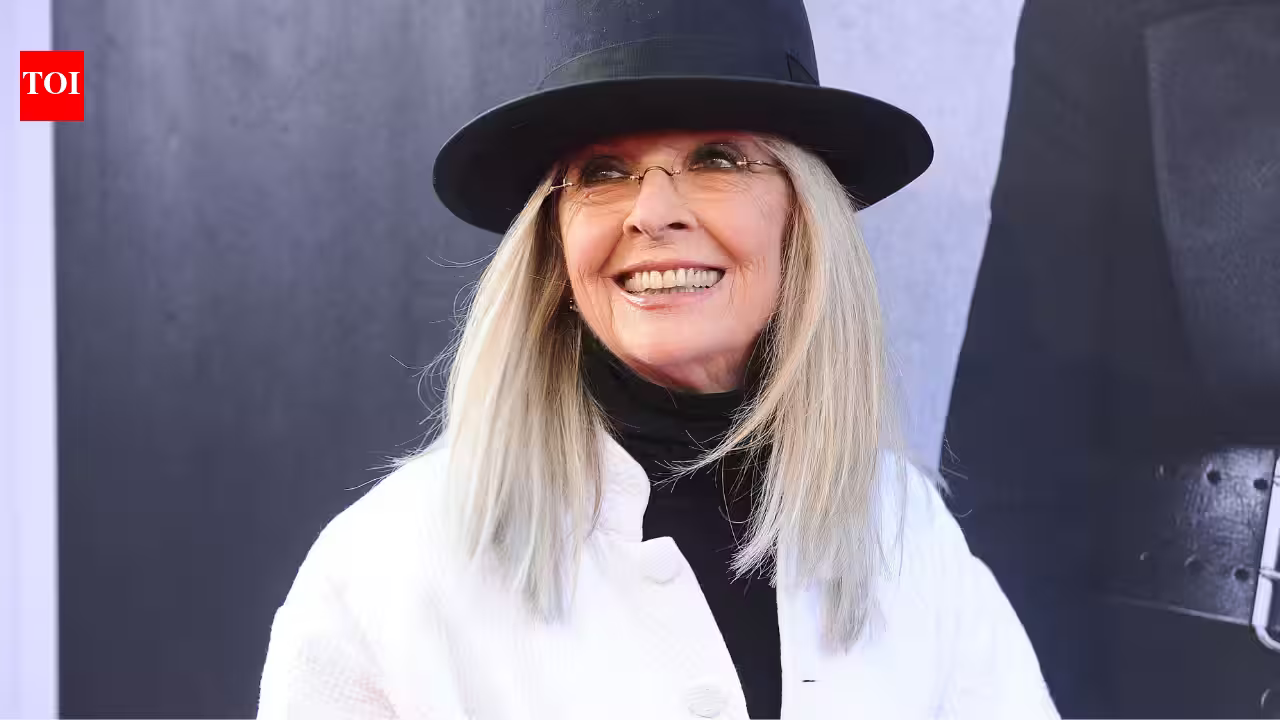
Diane Keaton has long been a fixture of American cinema, known for her idiosyncratic style and her ability to weave profound truth into the fabric of everyday conversation. Her observation, “Babies laugh three thousand times a day. Adults twenty, if we’re lucky,” serves as a stark commentary on the transition from the uninhibited wonder of youth to the rigid constraints of maturity. In her 2014 collection of essays, Let’s Just Say It Wasn’t Pretty, Keaton reflects on the aging process not as a decline, but as a repositioning of priorities. This statement functions as an invitation to reclaim a lost spontaneity. By quantifying the disparity between infant mirth and adult restraint, she highlights how society trains individuals to suppress their natural impulses in favor of perceived productivity and composed behavior.
This concept resonates deeply within the current cultural climate, where digital distractions and professional demands often consume the time once reserved for simple human connection. Keaton suggests that happiness is not a grand achievement to be chased, but a frequency to be tuned into. The decline in laughter is portrayed as a symptom of a broader societal shift toward excessive seriousness. By pointing out this deficit, she encourages a return to the basics: finding humor in the mundane, appreciating the absurdity of existence, and allowing oneself the grace to be lighthearted without the fear of appearing unprofessional or frivolous.
Tracing the Roots of an Iconic Talent
To understand the depth of Keaton’s perspective, one must look at the foundation of her career. Born Diane Hall in Los Angeles in 1946, she spent her formative years navigating a creative family environment that encouraged artistic exploration. Her transition to the stage was natural, leading her to the Neighborhood Playhouse in New York City. This era was transformative for her, as she developed the sharp, observational skills that would later define her screen presence. Her early experience in the original Broadway production of Hair served as a baptism by fire, placing her at the center of a countercultural movement that valued expression over rigid social norms.
This background in live performance taught Keaton the importance of timing and the delicate interplay between vulnerability and wit. Her early collaboration with Woody Allen in the play Play It Again, Sam was not merely a career milestone; it was the beginning of an intellectual partnership that would redefine the romantic comedy genre. She brought a sense of nervous, intellectual curiosity to her roles, moving away from the conventional archetypes of the era to present women who were complex, relatable, and deeply human. This willingness to embrace imperfection allowed her to connect with audiences on a level that transcended mere celebrity.
The Cinematic Evolution of Diane Keaton
Keaton’s trajectory in the film industry is characterized by a refusal to stay within the boundaries of a single genre. While her breakthrough as Kay Adams in The Godfather established her as a formidable dramatic presence, it was her subsequent transition into character-driven narratives that cemented her legacy. The 1977 film Annie Hall remains the gold standard for this shift. As the titular character, she captured the essence of a woman navigating the complexities of modern relationships with a mix of anxiety, humor, and intellectual independence. Her Academy Award win for this role confirmed that audiences were ready for characters who were as messy as they were brilliant.
Throughout the following decades, Keaton consistently chose projects that examined the lives of mature women navigating changing landscapes. In The First Wives Club, she displayed a remarkable aptitude for physical comedy, proving that she could command the screen alongside other titans of the industry. Later, in the 2003 film Something’s Gotta Give, she tackled themes of aging, romance, and the societal pressures placed on older women. By portraying these experiences with such honesty and, more importantly, a pervasive sense of humor, she challenged industry norms regarding who could lead a major motion picture and what those stories should look like.
Industry Context and the Aging Narrative
The entertainment industry is frequently criticized for its narrow view of aging, often sidelining performers as they leave their youth behind. Diane Keaton stands as an exception to this trend, not by fighting the passage of time, but by centering her work around it. Her professional journey offers a roadmap for longevity in an industry that prioritizes novelty. By remaining authentic to her voice and appearance, she has managed to retain relevance while many of her contemporaries have faded from the spotlight. Her body of work highlights that experience brings a perspective which is fundamentally necessary for balanced storytelling.
Keaton’s focus on the decline of laughter as we age serves as an implicit critique of an industry that often takes itself too seriously. In an era where the box office is dominated by spectacle, she remains a staunch advocate for the small, human moments that make life meaningful. Her presence in films that tackle the reality of middle and later life provides a necessary counterpoint to the youth-obsessed narrative often churned out by major studios. She represents the idea that wit is sharpened, not dulled, by the passage of time, and that the ability to laugh at oneself is perhaps the most valuable asset an actor—or an individual—can possess.
Finding Joy in the Everyday
Ultimately, the wisdom shared by Diane Keaton is a call to action. It suggests that if we are currently laughing fewer than twenty times a day, we are missing the point of being alive. This philosophy is evident in the projects she chooses and the way she conducts her public life. She champions a form of existence that is tactile and immediate, rather than one defined by the accumulation of achievements or the maintenance of an image. In an age of high pressure and digital exhaustion, the simple, radical act of laughter is a form of defiance.
Whether through her fashion choices, her candid writing, or her performances, Keaton consistently redirects the focus toward the value of the individual experience. She reminds us that while the responsibilities of adulthood are real, they need not be all-consuming. By prioritizing the lightness of spirit that characterized our early years, we can mitigate the weight of modern living. Keaton’s career is a testament to the idea that one can remain deeply committed to their craft without losing the ability to find the punchline in the most difficult of circumstances. Her legacy is not just in the roles she played, but in the enduring reminder that happiness is an active pursuit that requires us to stop, look around, and find something worth a laugh.
Disclaimer: This content is auto-generated for informational purposes only.
Source: Read Original News