









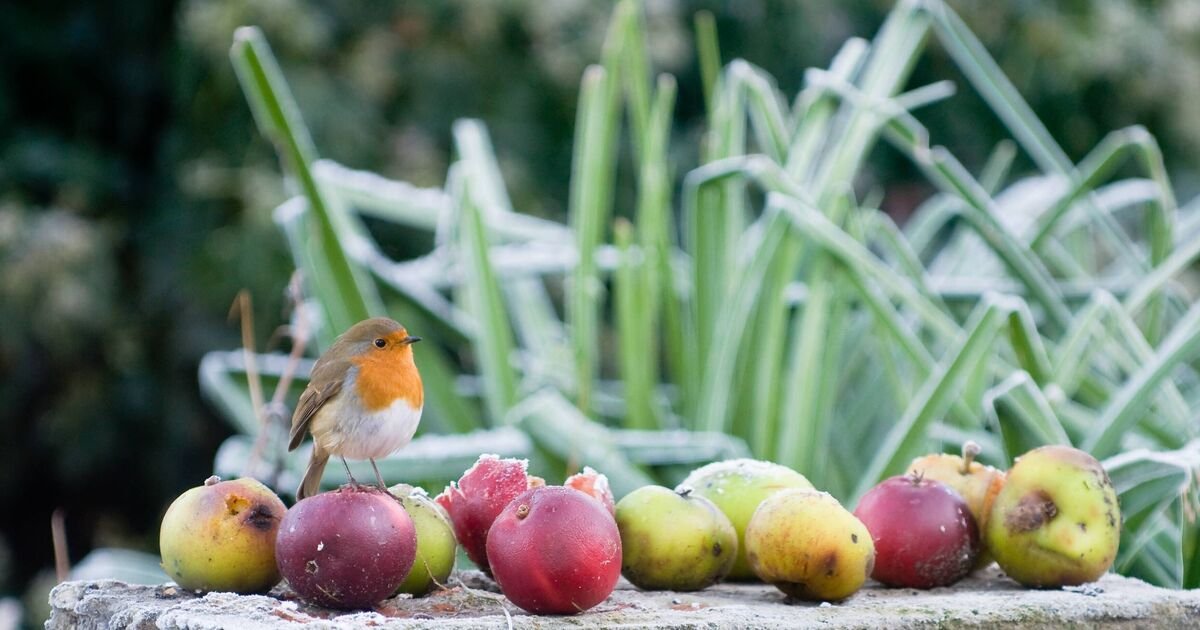
As the calendar turns toward the colder months, many of us notice a sudden shift in our outdoor spaces. That bustling activity at the feeders during the summer seems to evaporate, leaving us wondering if our feathered friends have decided to move south for the winter. The truth is, they haven’t gone far. They are simply taking advantage of the natural abundance autumn provides, while also working through a physically draining period known as moulting. If you want to keep your garden a hub of activity, a little help from you can make all the difference.
The Secret to a Busy Garden
While your garden might feel quiet, the birds are still there, hunkered down in the foliage. As the days shorten and temperatures drop, their energy needs skyrocket. To stay warm and healthy, they require calorie-dense nutrition. If you want to encourage robins and other local species to visit your space, you need to provide fuel that packs a punch.
The Royal Society for the Protection of Birds suggests focusing on high-fat, high-energy sources. Think of these as superfoods for the garden. Suet is a fantastic choice, as is a good mix of peanuts and sunflower hearts. However, if there is one item that robins find completely irresistible, it is mealworms. By offering these as a regular treat, you provide the essential protein and fat they need to survive the coming frost.
Understanding the Autumn Slump
Why do they ignore our perfectly stocked feeders? It is easy to feel discouraged when the sunflower seeds sit untouched, but remember that nature provides a temporary buffet in autumn. Berries are ripening on the bushes, and seeds are abundant across the landscape. Birds are spending their time foraging in hedgerows and shrubbery rather than sitting on a plastic feeder.
Furthermore, the birds you see are often going through a moult. This is a massive physical investment. Replacing old, worn feathers with a fresh, thick winter coat takes an incredible amount of energy. During this time, birds are naturally more cautious and prefer to stay hidden away from predators while they recover. Your garden is still their home; they are just being a little more private about it.
Cleanliness and Hygiene
It is not just about what you put out, but how you manage it. A neglected feeder can quickly become a health hazard. The golden rule of bird care is to provide what is needed without letting food pile up or go stale. If you notice uneaten seeds or suet sitting in the rain, scoop it out and clear the area. Freshness is key to keeping your local bird population healthy.
The same logic applies to your bird bath. We often focus on food and forget that water is just as vital. Birds need a clean place to bathe to keep their plumage in top shape—a necessity for insulation—and a reliable spot for hydration. Scrub out your basin regularly to ensure the water stays crisp and clear.
Creating a Haven Beyond the Feeder
If you want to support your garden visitors beyond just buying bags of seed, consider softening your gardening approach. It is tempting to trim everything back and sweep away every fallen leaf, but a tidy garden is often a wildlife-poor one.
Leaving a corner of your lawn a bit shaggy, creating a small pile of logs, or allowing seed heads to remain on your flowers provides natural cover and foraging grounds. These wild spots act as a sanctuary where birds can hide from the wind and hunt for insects. By balancing a bit of intentional feeding with a more relaxed approach to garden maintenance, you create an environment where birds feel secure enough to return, even when the weather turns truly bleak.
Watching a robin hop across the grass or land on a feeder during a grey morning provides a sense of connection to the changing seasons. With just a few simple adjustments, you can ensure your garden remains a lively, supportive home for your feathered neighbors all year round.
Disclaimer: This content is auto-generated for informational purposes only.
Source: Read Original News