









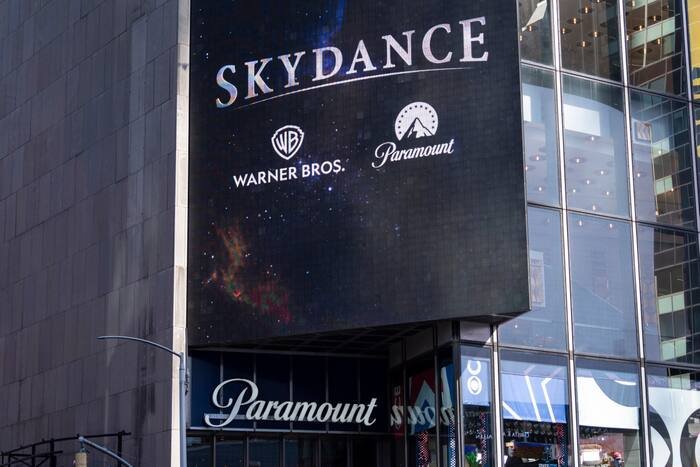
NEW YORK – In a seismic shift that reshapes the landscape of global media and entertainment, Paramount’s $81 billion acquisition of Warner Bros. Discovery officially closed on Tuesday. The merger creates a new powerhouse rebranded as Skydance, uniting iconic intellectual properties ranging from “The Sopranos” to “Mission: Impossible” under a single corporate roof. As this behemoth begins its tenure, the industry is grappling with how a consolidation of this magnitude will affect streaming technology, news integrity, and the future of big-studio filmmaking.
The Streaming Wars and the Tech Integration Challenge
A primary focus for Skydance CEO David Ellison is the unification of the company’s fragmented digital landscape. The deal brings together HBO Max, Paramount+, Discovery+, and niche services like BET+ and Pluto TV. Ellison has signaled a strategic intent to merge these products into a singular streaming service over time, a move aimed at competing more effectively with industry leaders like Netflix and Amazon Prime.
However, the transition poses significant technological and operational risks. Integrating vast, disparate libraries—from “Bugs Bunny” classics to the gritty drama of “The Godfather”—requires complex data migration and user experience redesigns. While Ellison has promised to preserve the distinct brand identity of HBO, the pressure to offset the deal’s massive debt load has prompted fears among consumers regarding potential price hikes. For subscribers, the promise of a unified app is tempered by the industry-wide trend of rising monthly fees, raising questions about whether the consolidated platform will be forced to leverage AI-driven personalization and targeted advertising to retain users in an increasingly saturated market.
A Shrinking Studio Ecosystem
The merger further contracts Hollywood, leaving only four major studios to dominate the film industry: Skydance, Disney, Universal, and Sony. This reduction in competition has sparked intense debate among industry analysts and labor groups alike. As part of a settlement with 12 states, Skydance has committed to specific theatrical distribution quotas, including 30 films per year for the next two years.
Furthermore, the company is mandated to increase domestic film production spending by $1.5 billion over the next five years. Yet, these promises do little to soothe anxieties regarding widespread job losses. The corporate mandate to find synergies and reduce costs is expected to result in significant layoffs as the company moves to eliminate redundant operations. This era of consolidation highlights a broader tech-driven trend: as studios transition into data-centric media giants, efficiency and algorithmic greenlighting often take precedence over the creative diversity that defined the previous era of filmmaking.
The Intersection of News, Politics, and Oversight
Perhaps the most contentious aspect of the merger is the consolidation of CNN and CBS News under one owner. With the Ellison family’s well-documented ties to Donald Trump, the move has triggered warnings from journalists and media watchdogs about the risk of political interference in editorial processes.
The integration has already seen early friction, particularly at CBS News following the appointment of Bari Weiss as editor-in-chief, which led to significant turnover at “60 Minutes.” While Skydance has pledged to maintain editorial independence and established a “News Editorial Independence Board,” critics point out that the members of this board are appointed by the corporate directors themselves, creating a structural conflict of interest. As the company navigates these concerns, its reliance on significant equity investments from sovereign wealth funds in the Middle East has also drawn scrutiny from the FCC. This new entity now represents a complex intersection of corporate finance, global geopolitics, and the future of institutional journalism, marking a definitive end to the traditional studio system.
Disclaimer: This content is auto-generated for informational purposes only.
Source: Read Original News