






Google Pixel 11 Series Arrives with Universal Price Hikes, Eroding Brand’s Value Proposition
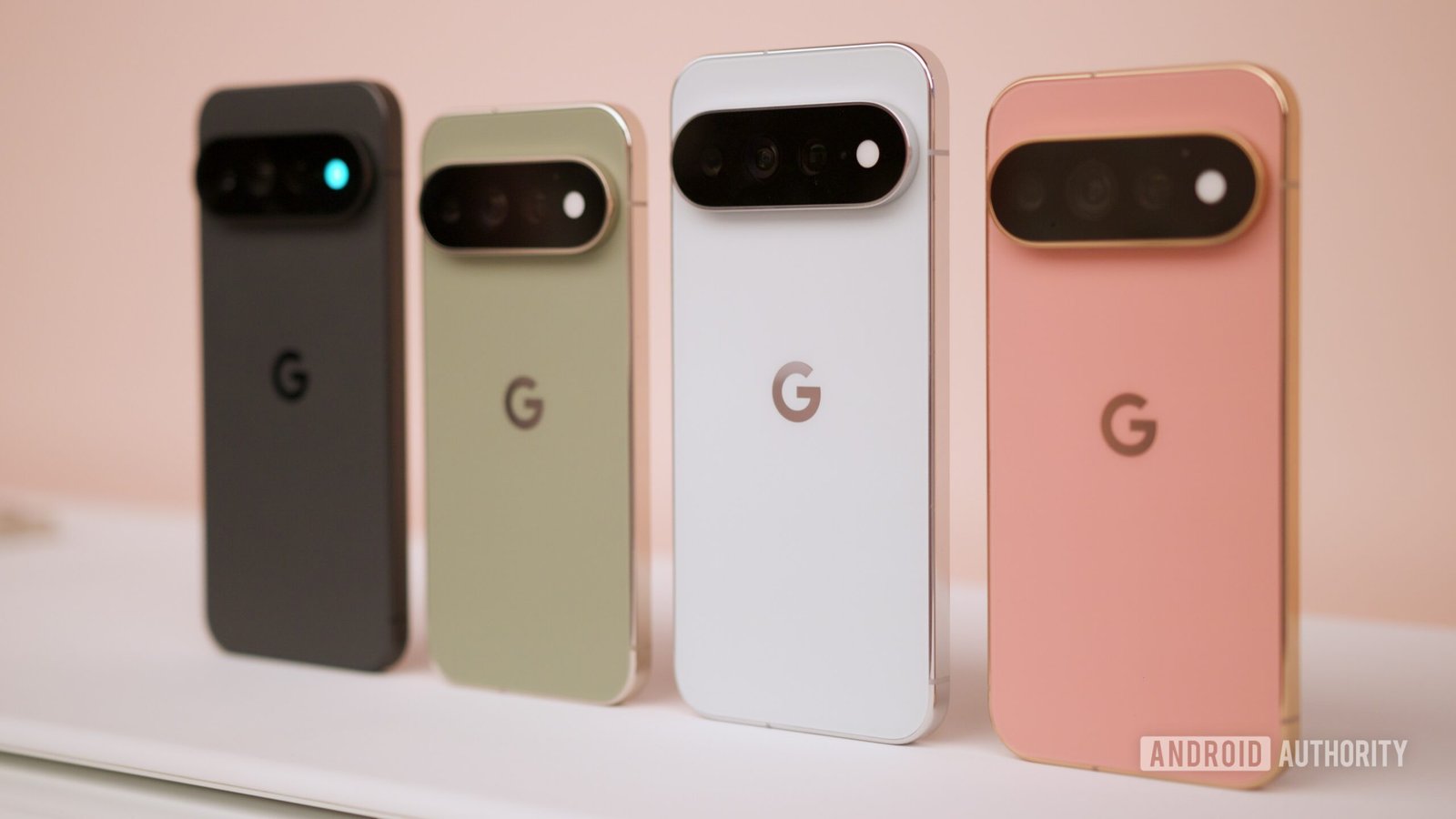
Mountain View, CA – Google’s latest flagship smartphone lineup, the Pixel 11 series, has debuted to a mixed reception, overshadowed by a significant and universal price increase across all models. While the new devices boast several intriguing upgrades and features, the across-the-board hike of $100 / £80 has left many questioning Google’s competitive strategy, particularly as the company previously carved out a niche by offering high-quality devices at more accessible price points.
The launch, which took place last Wednesday, saw the Pixel 11, Pixel 11 Pro, Pixel 11 Pro XL, and the Pixel 11 Pro Fold all experiencing a notable jump in their retail prices compared to their Pixel 10 predecessors. This increase means the entry-level Pixel 11 now starts at $899 / £879, a substantial leap from the Pixel 10’s $799 / £799. Similarly, the Pixel 11 Pro is priced at $1,099 / £1,079 (up from $999 / £999), the Pixel 11 Pro XL at $1,299 / £1,279 (up from $1,199 / £1,199), and the top-tier Pixel 11 Pro Fold at $1,899 / £1,799 (up from $1,799 / £1,749). The standard Pixel 11 model, in particular, bears the brunt of this change, experiencing the highest percentage increase among the new quartet.
For years, the Pixel series distinguished itself by offering a compelling alternative to the premium offerings from Apple and Samsung without commanding their often higher price tags. This affordability was a significant factor in the Pixel’s growing popularity, particularly since the launch of the Pixel 6 series in 2021. The Pixel 6, with its starting price of $599 / £599 for the standard model and $899 / £849 for the Pro, was seen as a disruptive force in a market dominated by devices like the iPhone 13 and Galaxy S22, which retailed for $799 and upward of $1,099 for their premium variants.
However, the recent price increases for the Pixel 11 series effectively eliminate this crucial competitive advantage. While the Pixel 10 briefly regained a "budget" status following price hikes for the Samsung Galaxy S26 series earlier this year, the playing field has now leveled, with both Samsung and Google’s flagship devices starting at $899. This unexpected shift places Apple in a peculiar position, as the iPhone 17 now stands as the most affordable flagship among the "big three" Western smartphone manufacturers, retailing at $799.
Critics argue that these price adjustments are particularly concerning given the perceived lack of groundbreaking innovations in key areas for the Pixel 11 series. With no "significant battery, performance, or camera changes" highlighted, the fundamental question arises: what is the compelling reason for consumers to opt for a more expensive Pixel when its traditional value proposition has been diminished?
While acknowledging the current global challenges impacting tech manufacturing, such as RAM shortages exacerbated by the burgeoning generative AI industry, the sentiment remains that Google could have absorbed more of these increased component costs. As a major player in the AI sector, Google itself bears some responsibility for the increased demand for high-end components.
The decision to raise prices is seen as a disservice to dedicated Pixel fans and potential new customers alike. Features like the new HiLight functionality, AI updates such as the Rambler, and advanced camera capabilities like Pro Stable Video and Magic Capture, while innovative, now come at a steeper cost. This limits options for consumers seeking a high-quality, flagship-grade device without breaking the bank, further shrinking an already consolidating smartphone market.
Google, known for its advertising slogan "ask more of your phone," is now facing calls from consumers to "ask more" of itself in terms of pricing strategy. Maintaining affordability, especially in a competitive and evolving market, could prove to be a more valuable long-term strategy than sacrificing its historical price advantage for short-term gains. The true impact of these price hikes on Pixel sales and market share remains to be seen.